
01Lessons
Every chapter explained first
Each lesson is built from his videos: the idea in plain words, then the people, laws and court cases your exams ask about.
- Three courses
- From his videos
 HipHughes History & VoovoU.S. History I · U.S. History II · American GovernmentHipHughes History × Voovo
Short video lessons, each followed by practice questions, with a study plan to your final. Practice on your phone between classes. Taught by Keith Hughes, a history teacher for 14 years.
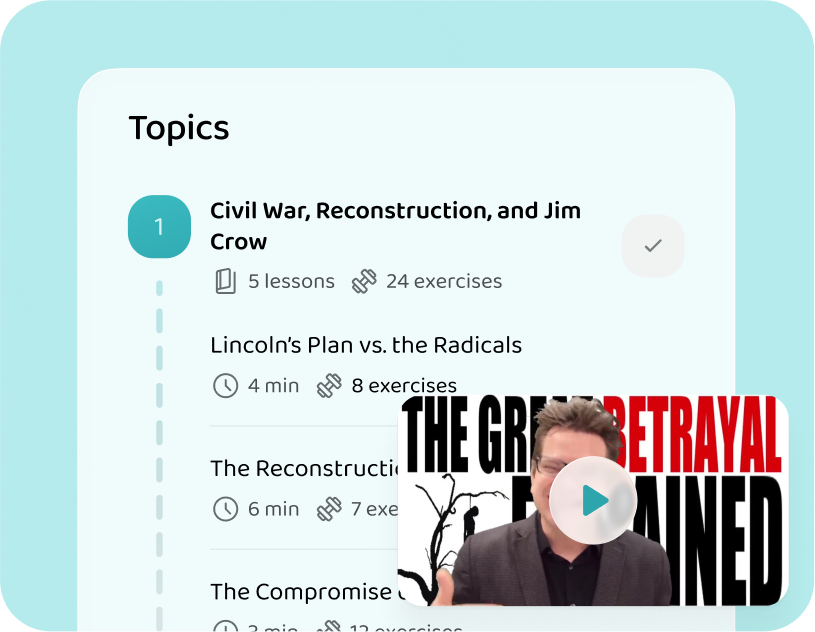
Three courses: U.S. History I to 1877, U.S. History II since 1865, and Intro to American Government. Each topic is a run of short video lessons, and every lesson ends in questions. Targeted practice takes you back to your weakest topics.
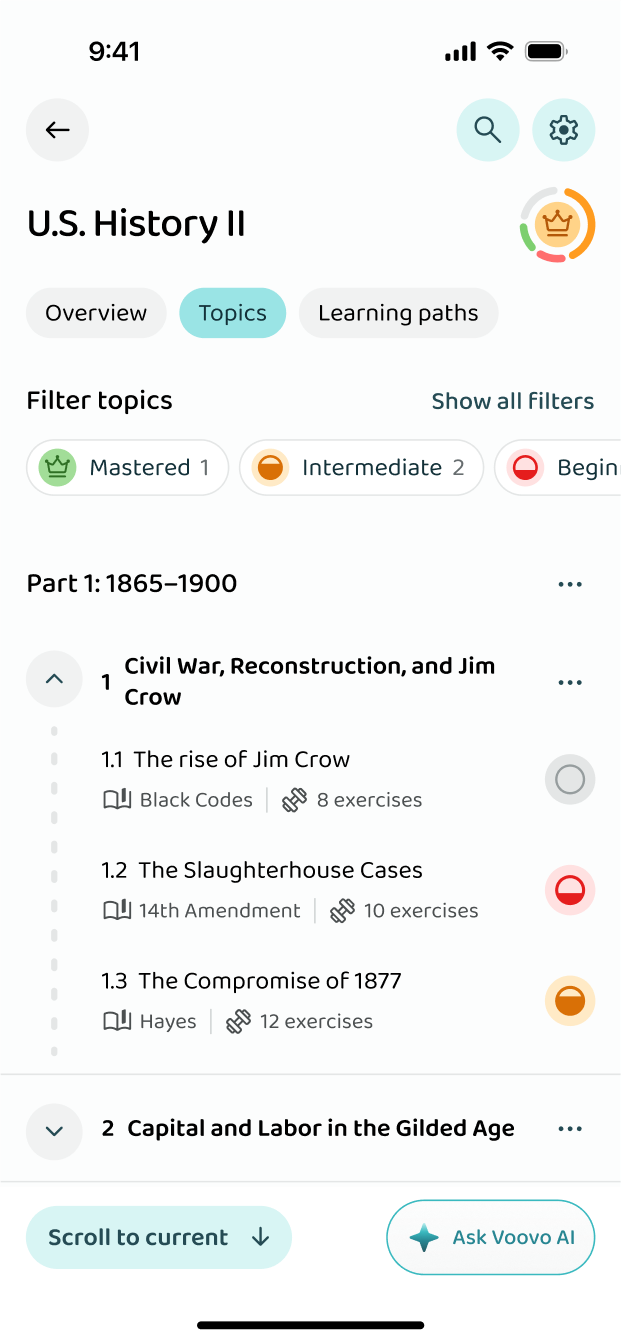
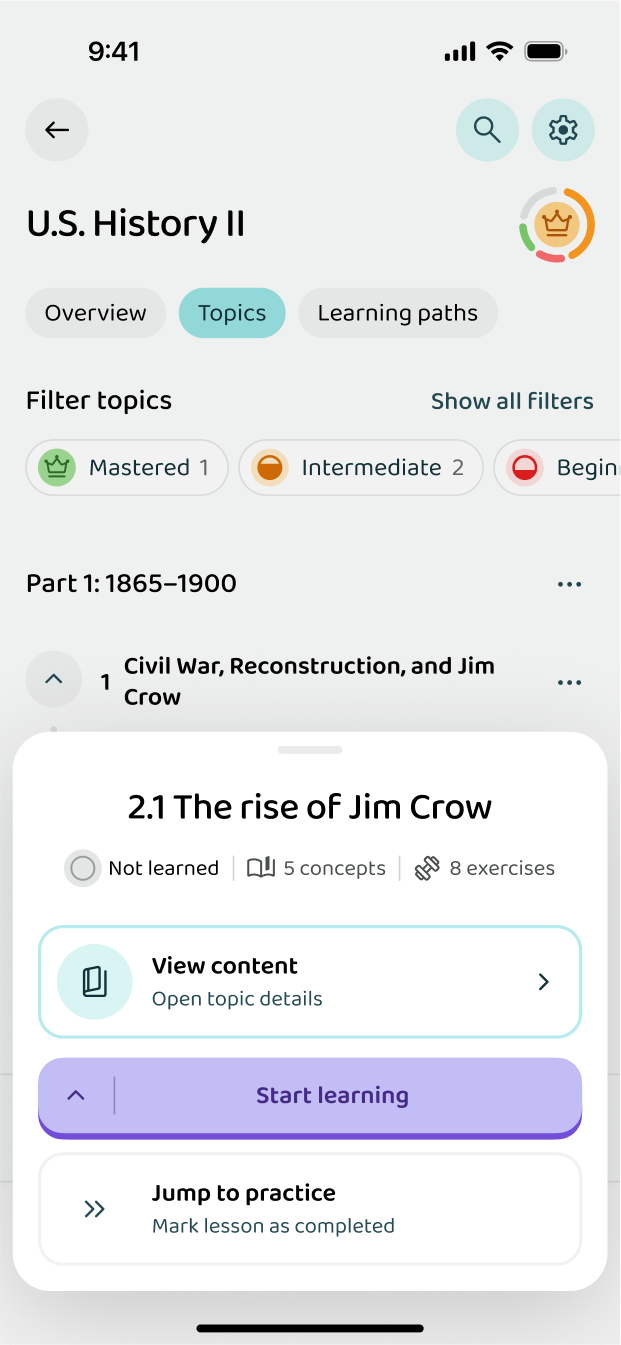
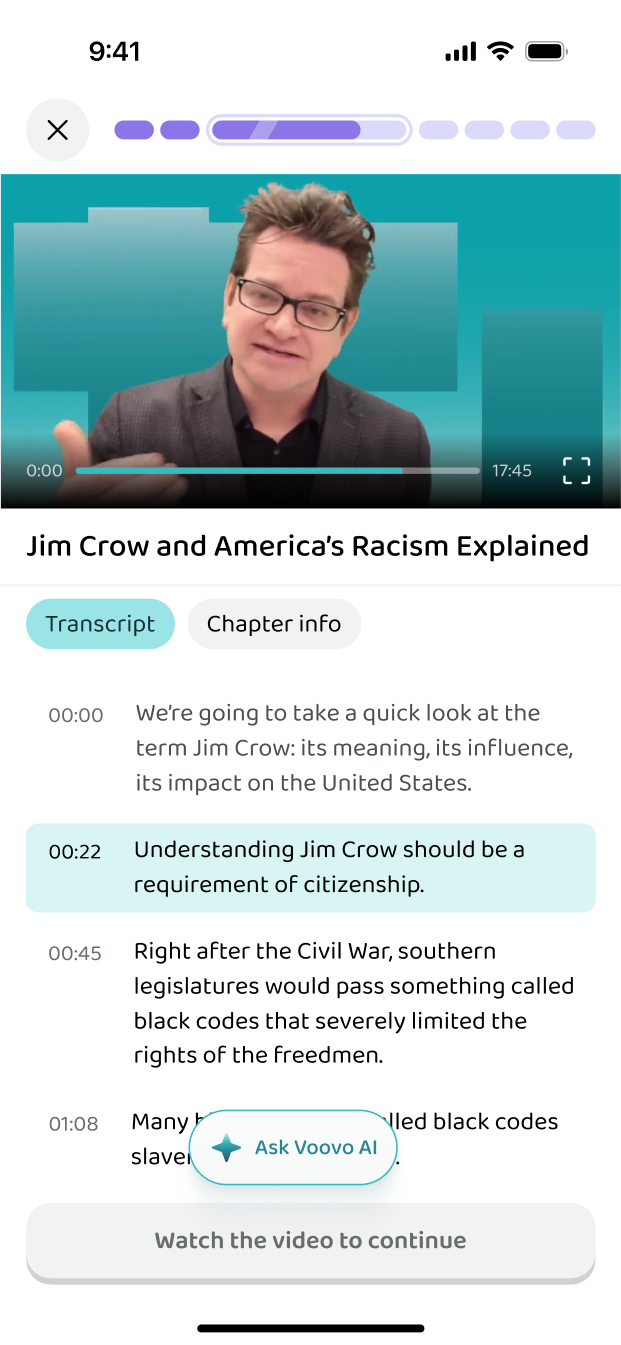
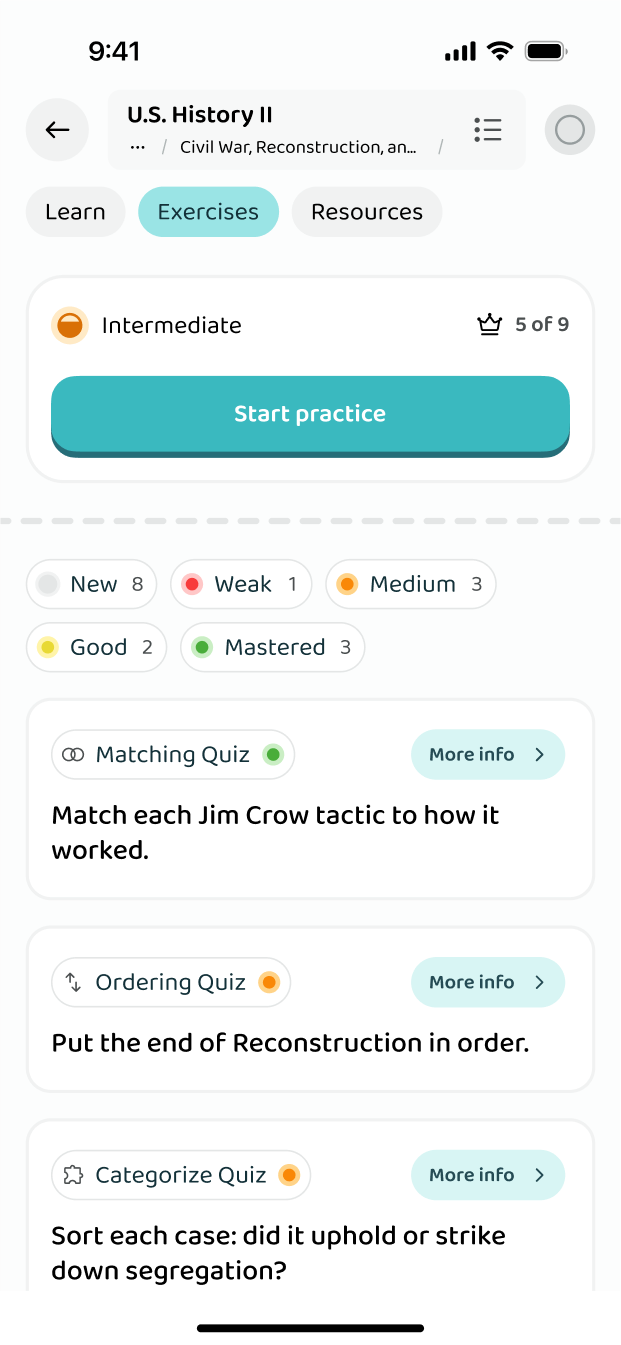
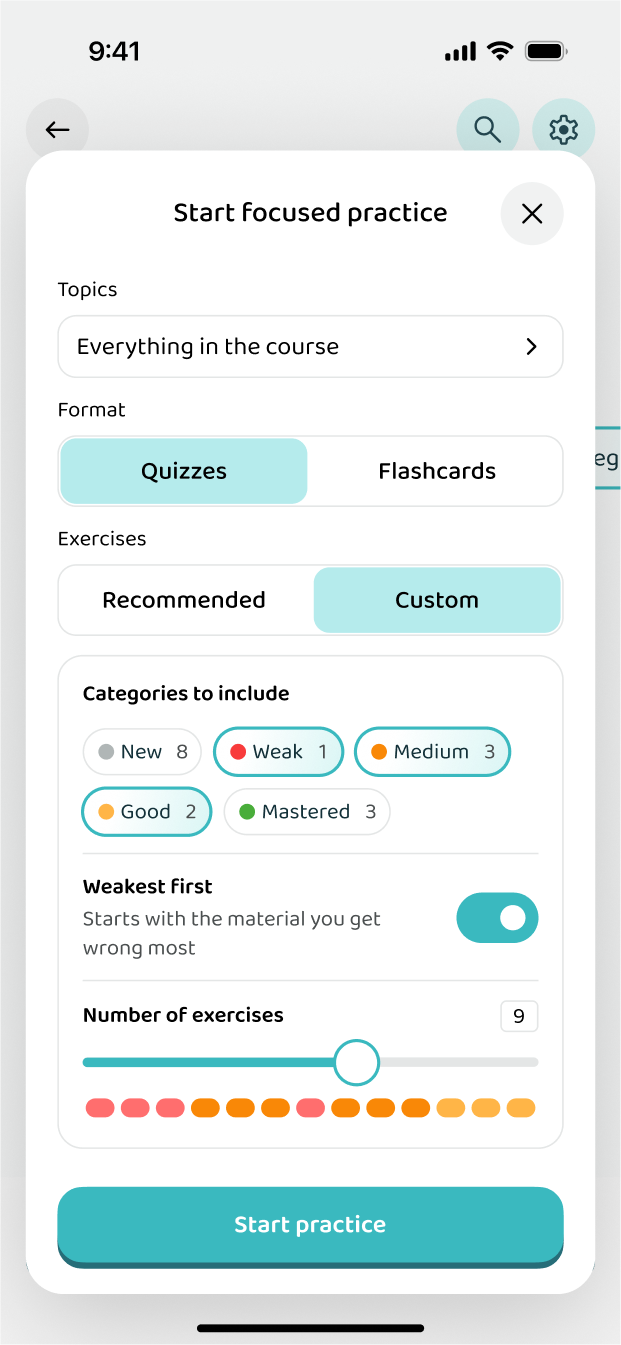
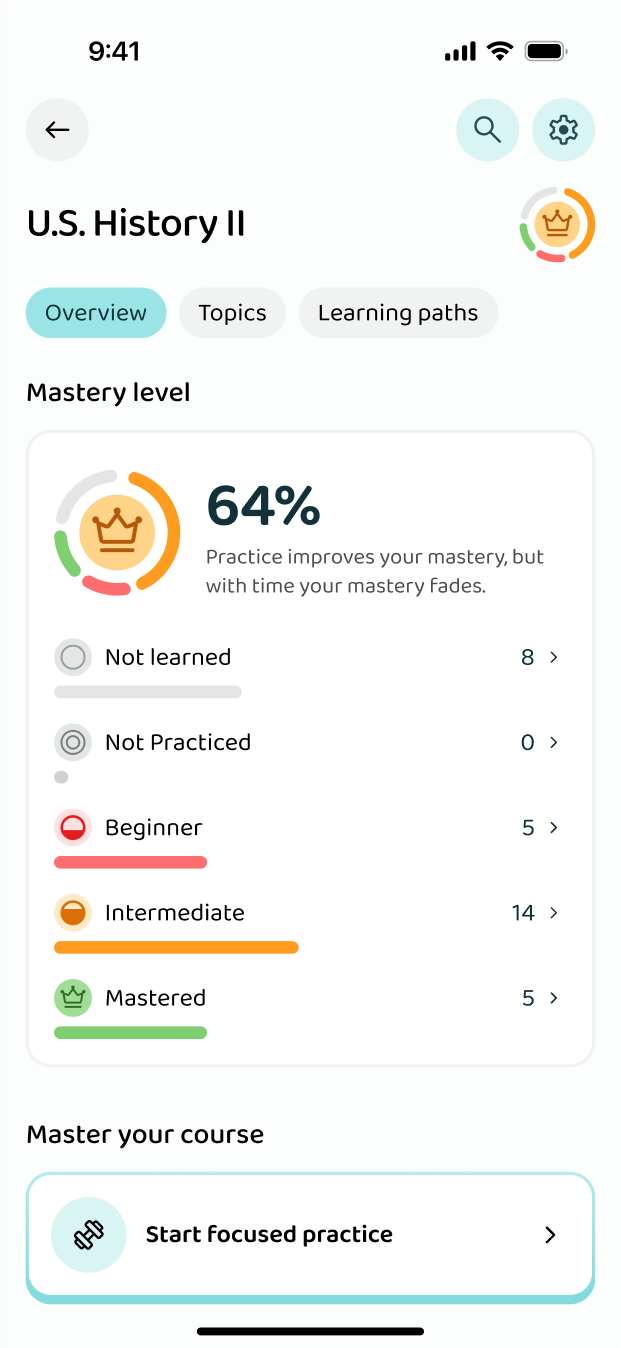
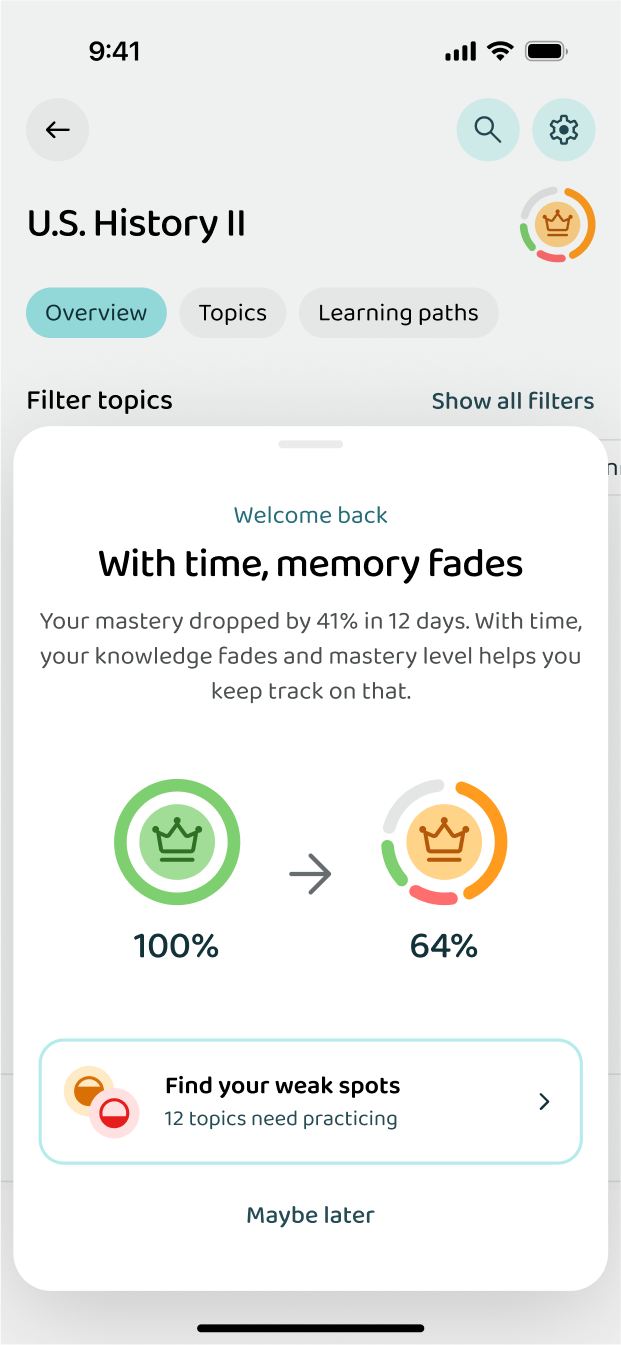
Topics and lessons follow the order of a survey course, so you can match them to your syllabus week by week.
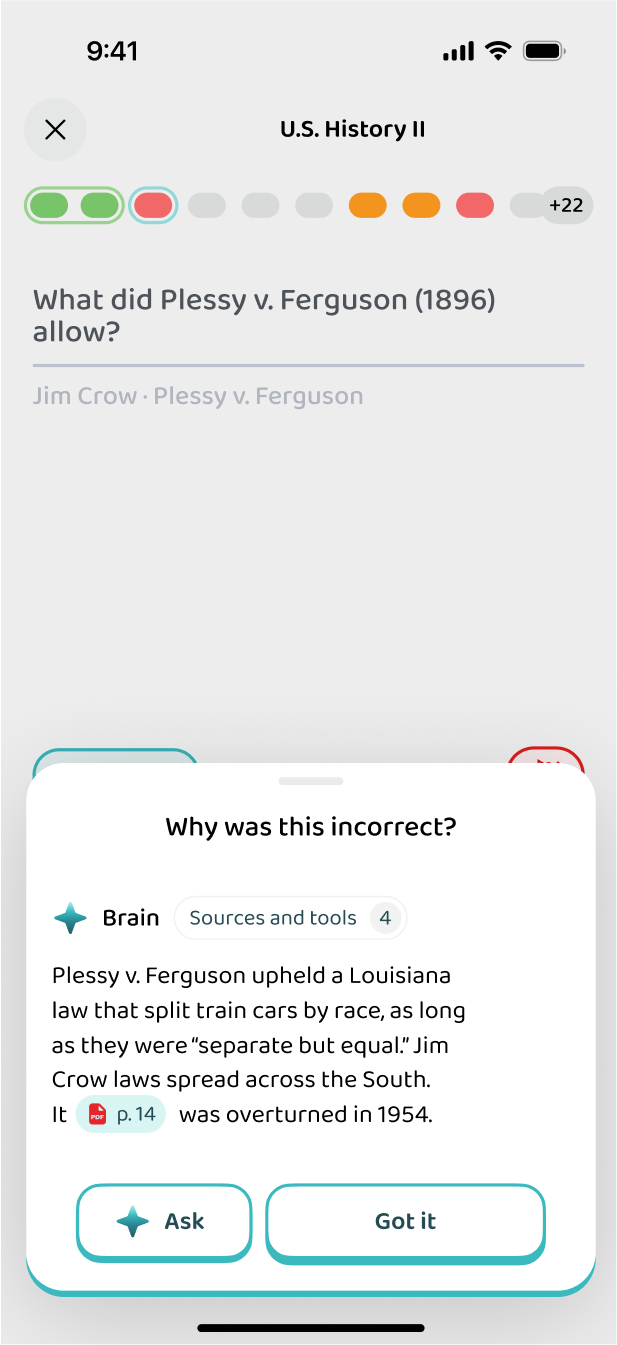
Each lesson ends in questions, so you find out what you can recall without the video.
The chapters from the first weeks keep coming up in practice, so they still feel fresh at the final.
Keith’s videos explain one idea at a time, in plain words. Each lesson starts with his explanation, then asks you about it.
Each lesson is built from his videos: the idea in plain words, then the people, laws and court cases your exams ask about.
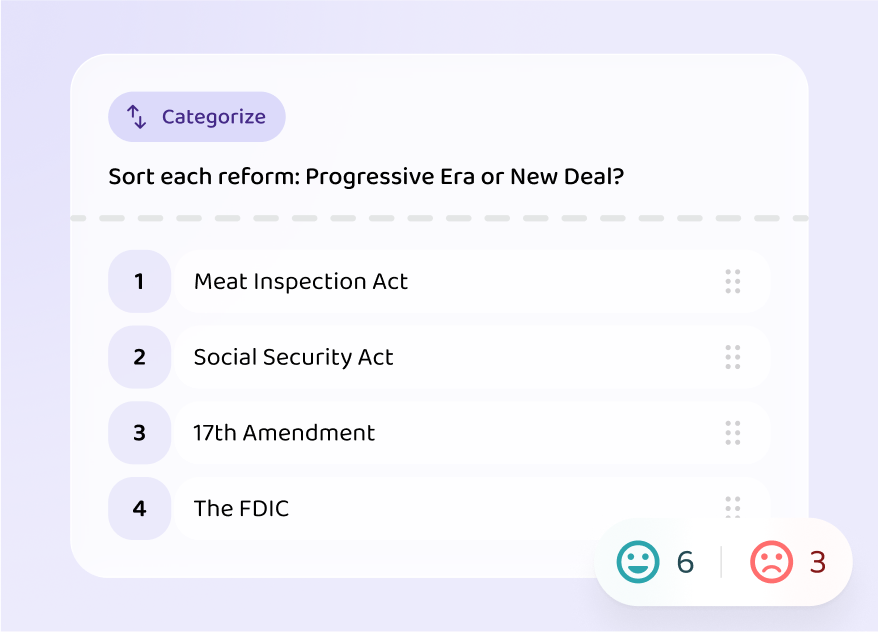
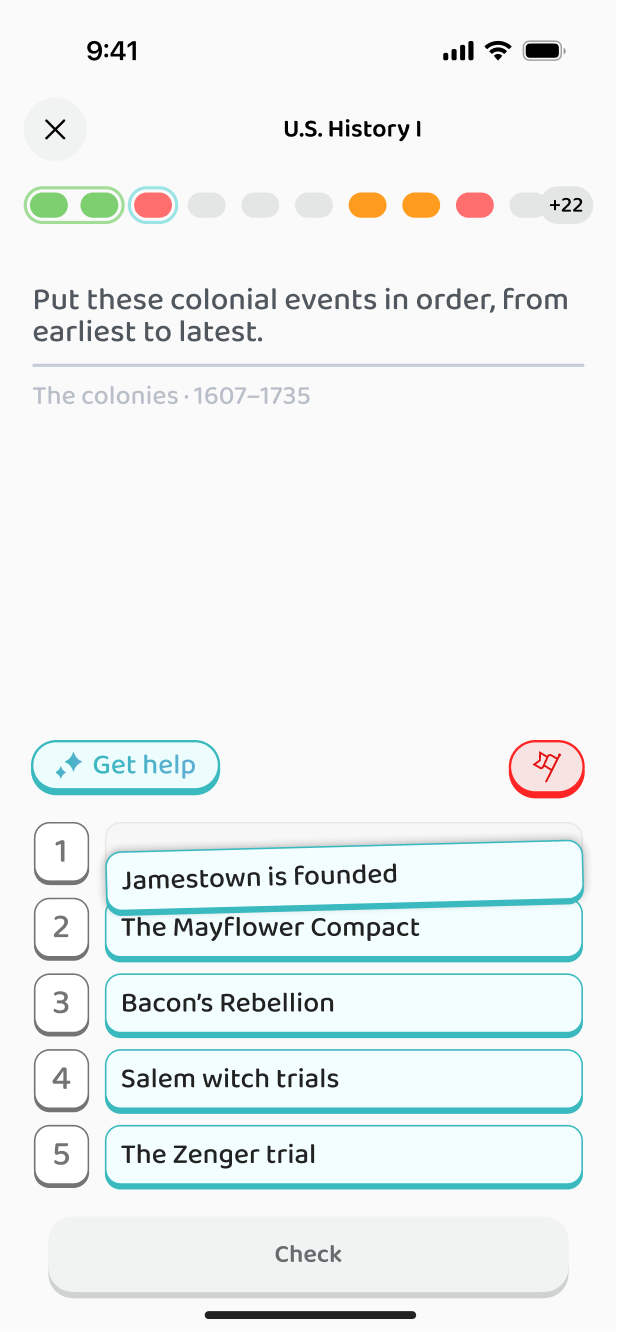
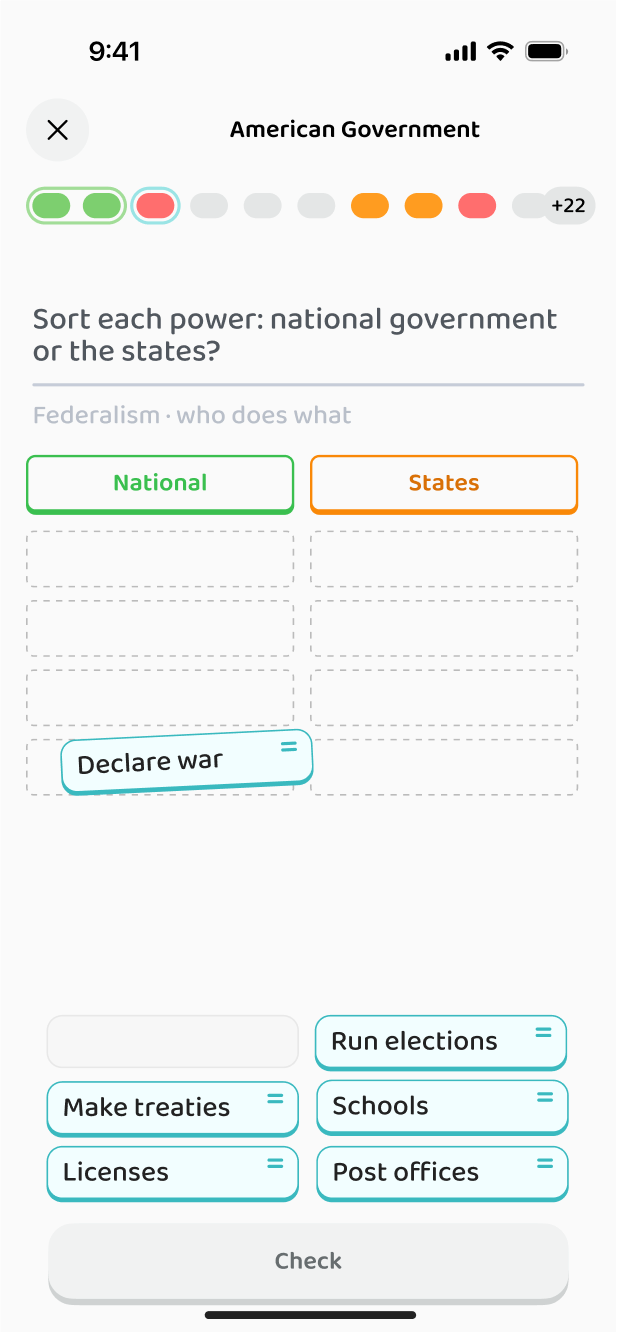
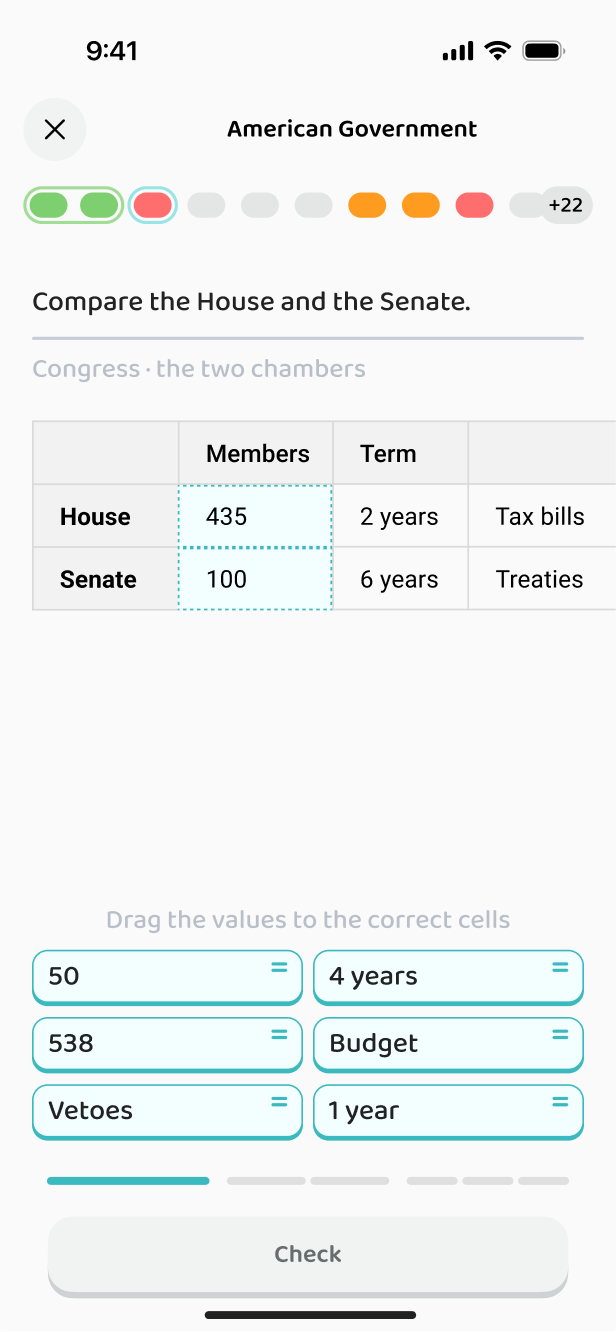
Put the colonial events from Jamestown to the Zenger trial in order. Sort powers between the national government and the states. Compare the House and the Senate in a table. Every answer is explained.
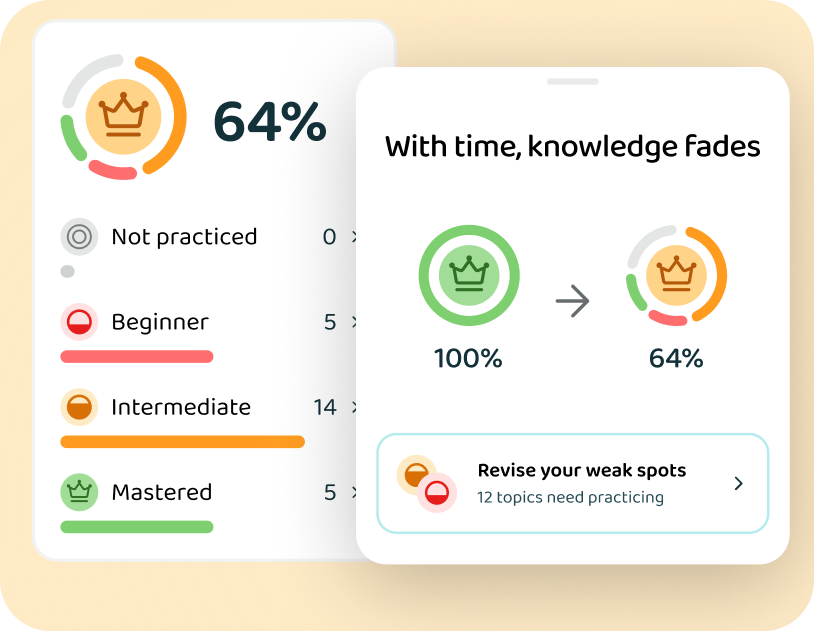
What you get wrong gets practiced again within days, and what you know comes back later. So the chapters from week two still make sense at the final.
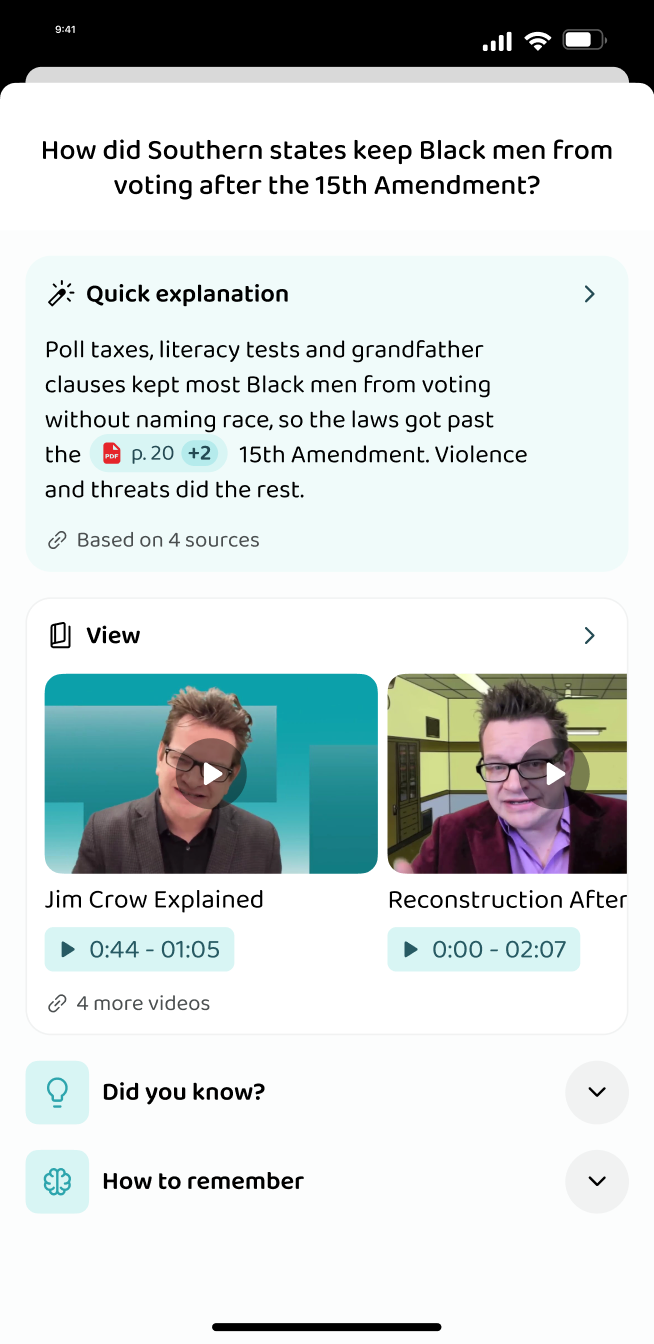
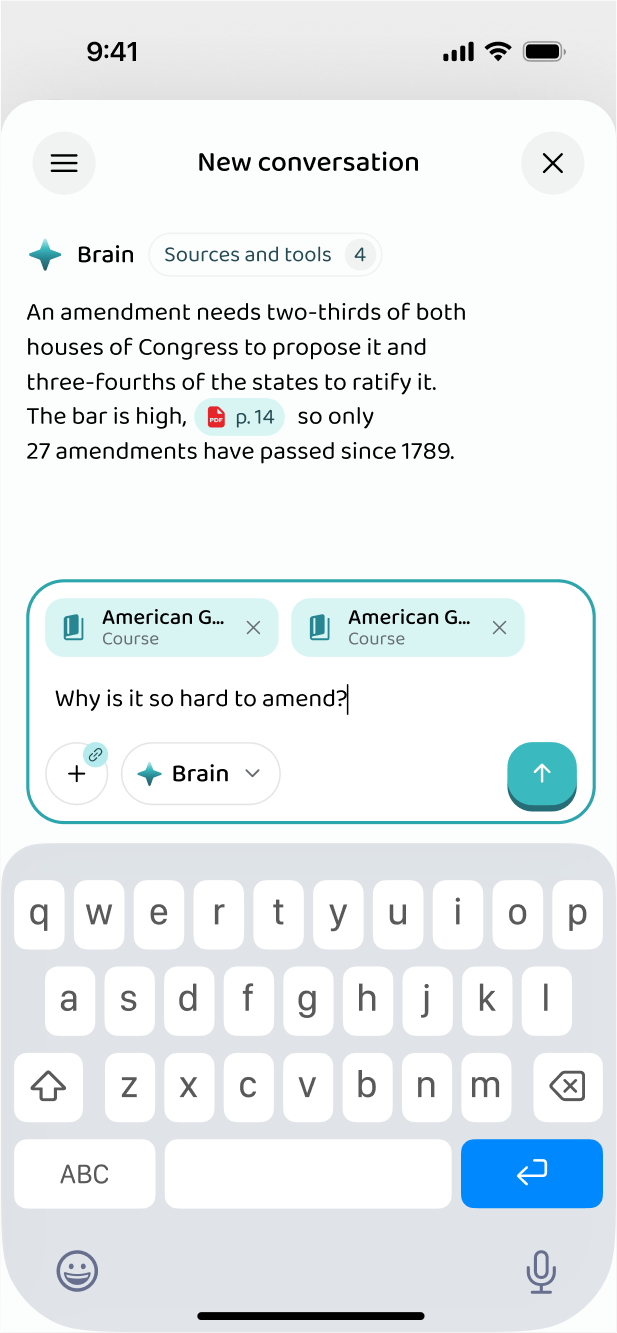
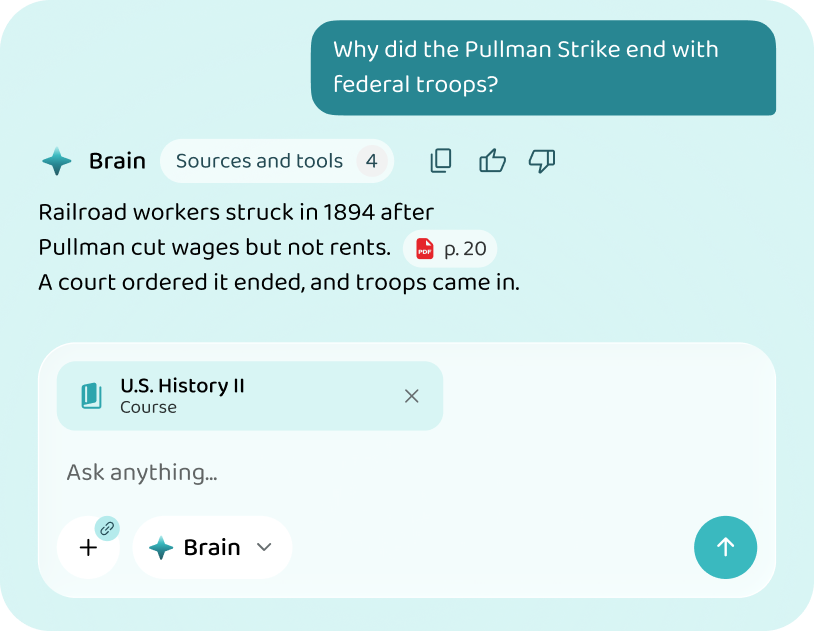
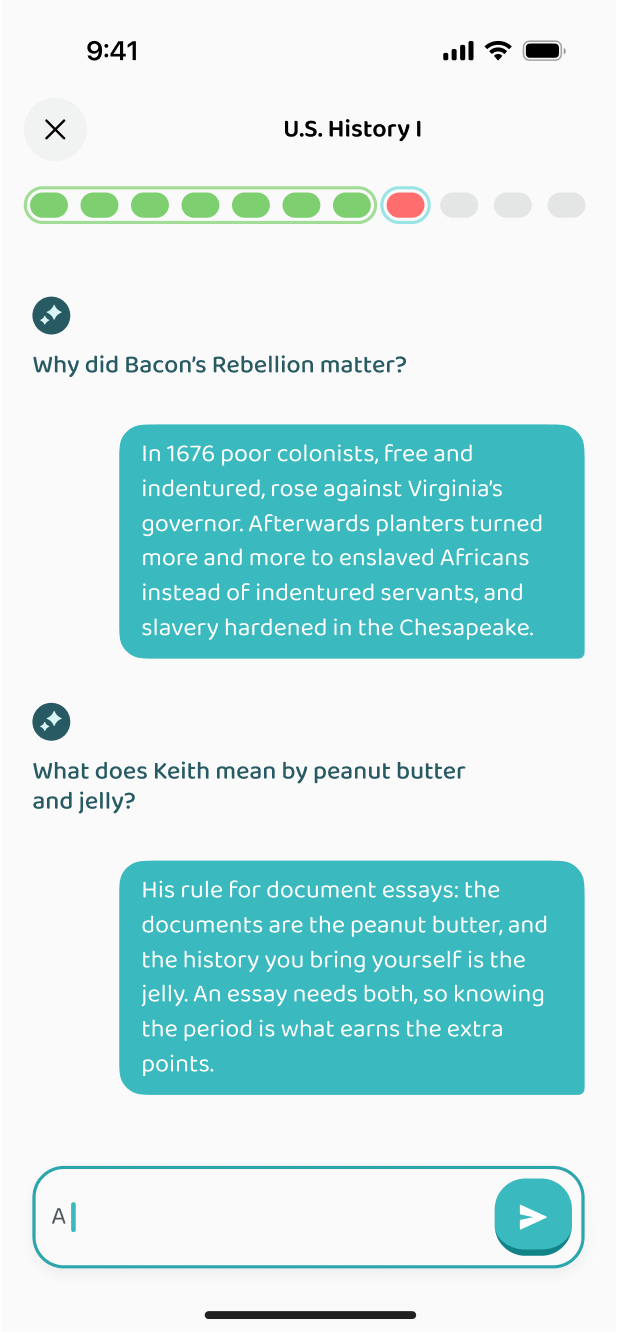
Ask why the Pullman Strike ended with federal troops, or why the Constitution is so hard to amend. Brain, the AI tutor, answers only from the course material and shows the lesson each answer comes from. No weak sources, no hallucinations.
The three courses follow the usual order of a survey course and cover what a typical syllabus asks for.
Keith gives each idea a short way to hold it, so you can still recall it on exam day. The course’s explanations use the same lines.
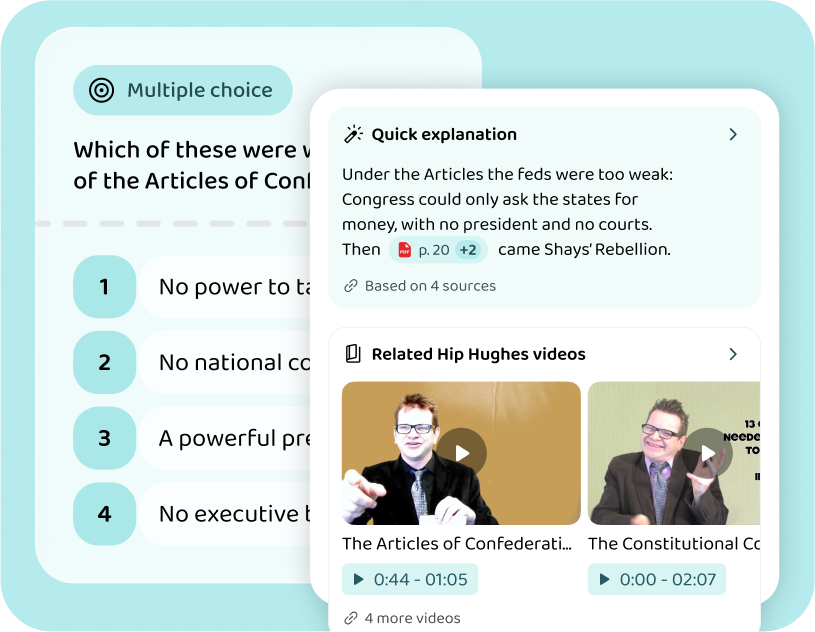
Why the Articles of Confederation failed, in five words: no power to tax, no president, no national courts.
His rule for document essays: the documents are the peanut butter, the history you bring is the jelly. An essay needs both.
The Reconstruction amendments in order: the 13th ended slavery, the 14th made freed people citizens, the 15th protected the vote.
U.S. History I and Intro to American Government, taught by Keith Hughes, are open now.
Since 1865, from Reconstruction to today. Sign up and you’ll get an email the day it opens, with 10% off.
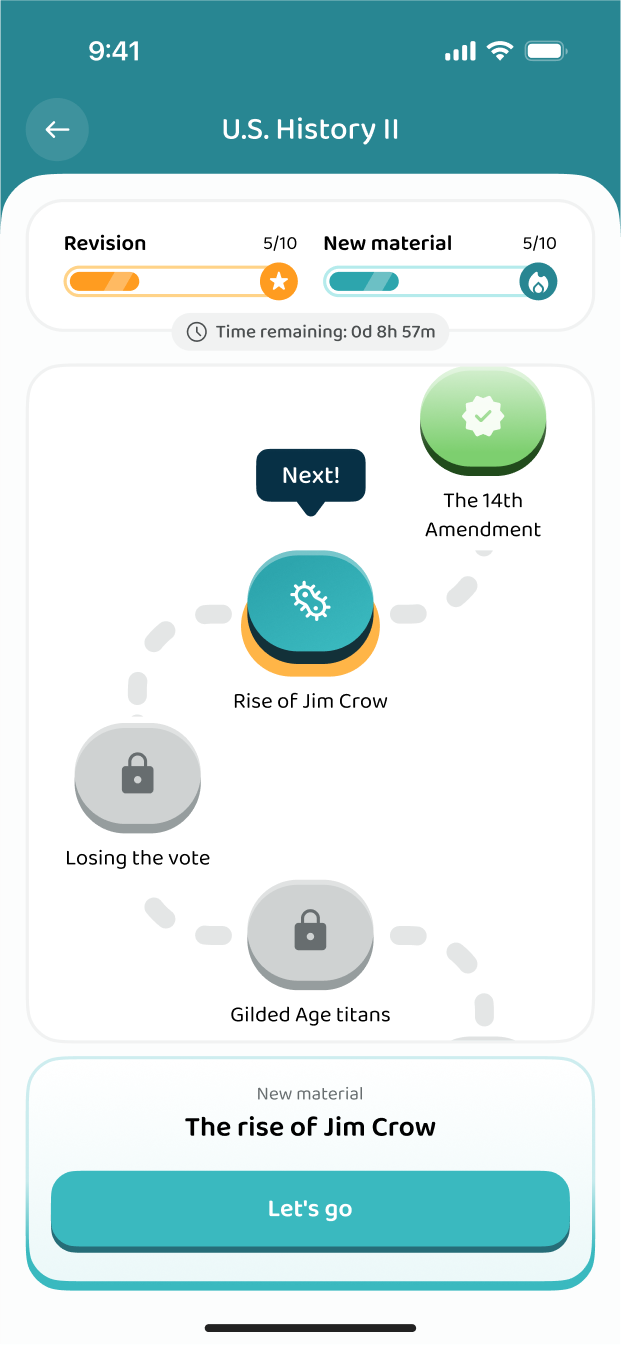
Put in the date of your final, and the app spreads the course across the weeks before it. Summer and eight-week terms work too: the plan fits the time you have.
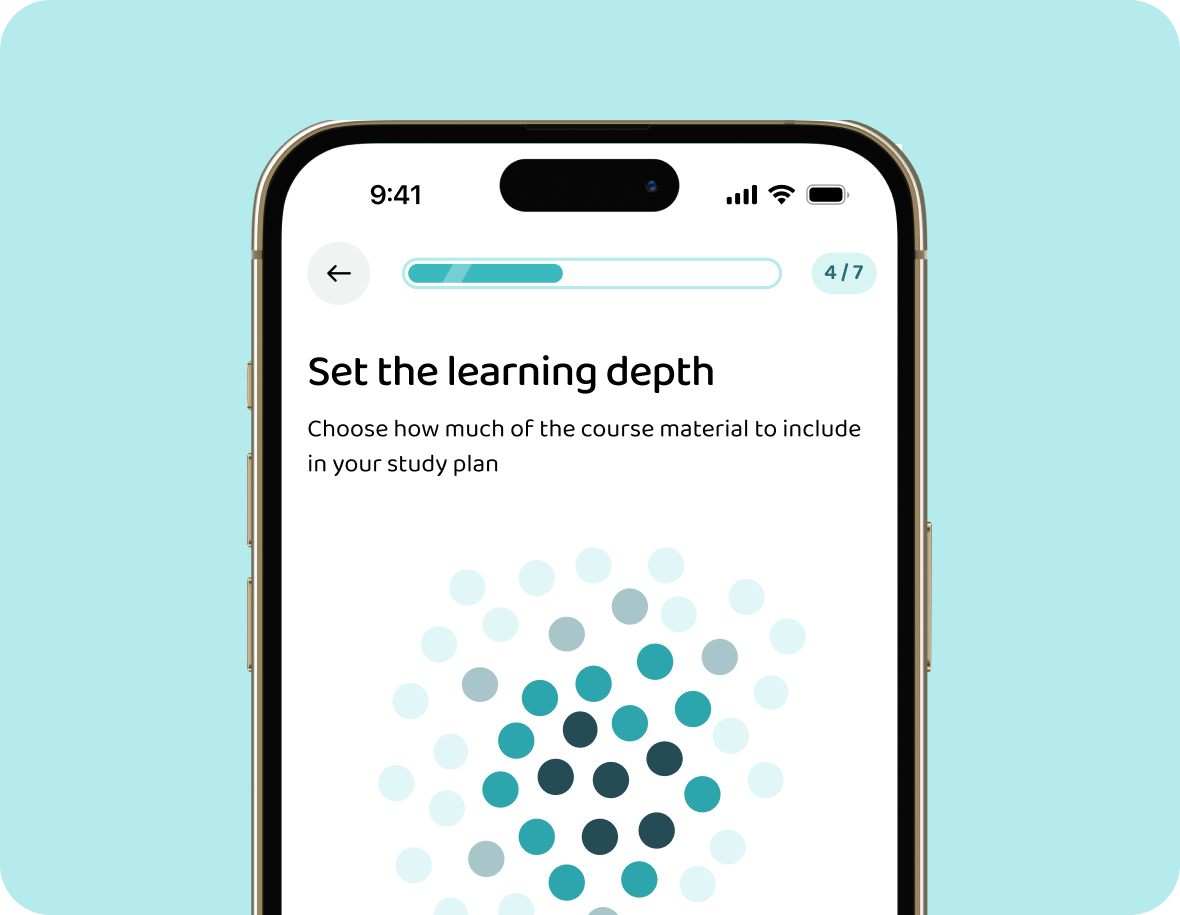
Everything in the course, or the essentials first. You decide how much goes into the plan.
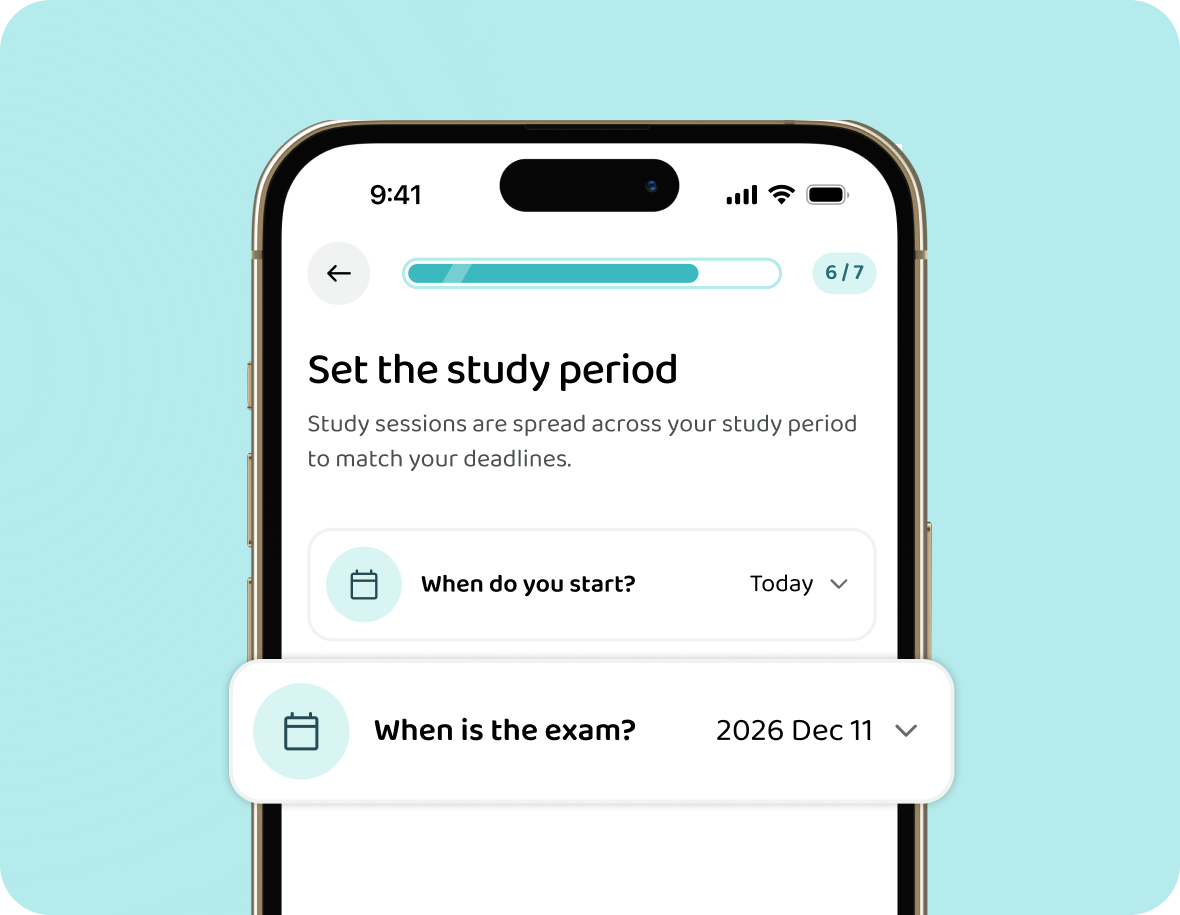
Your midterm, your final or the end of an eight-week term. The lessons are spread across the time you have left.
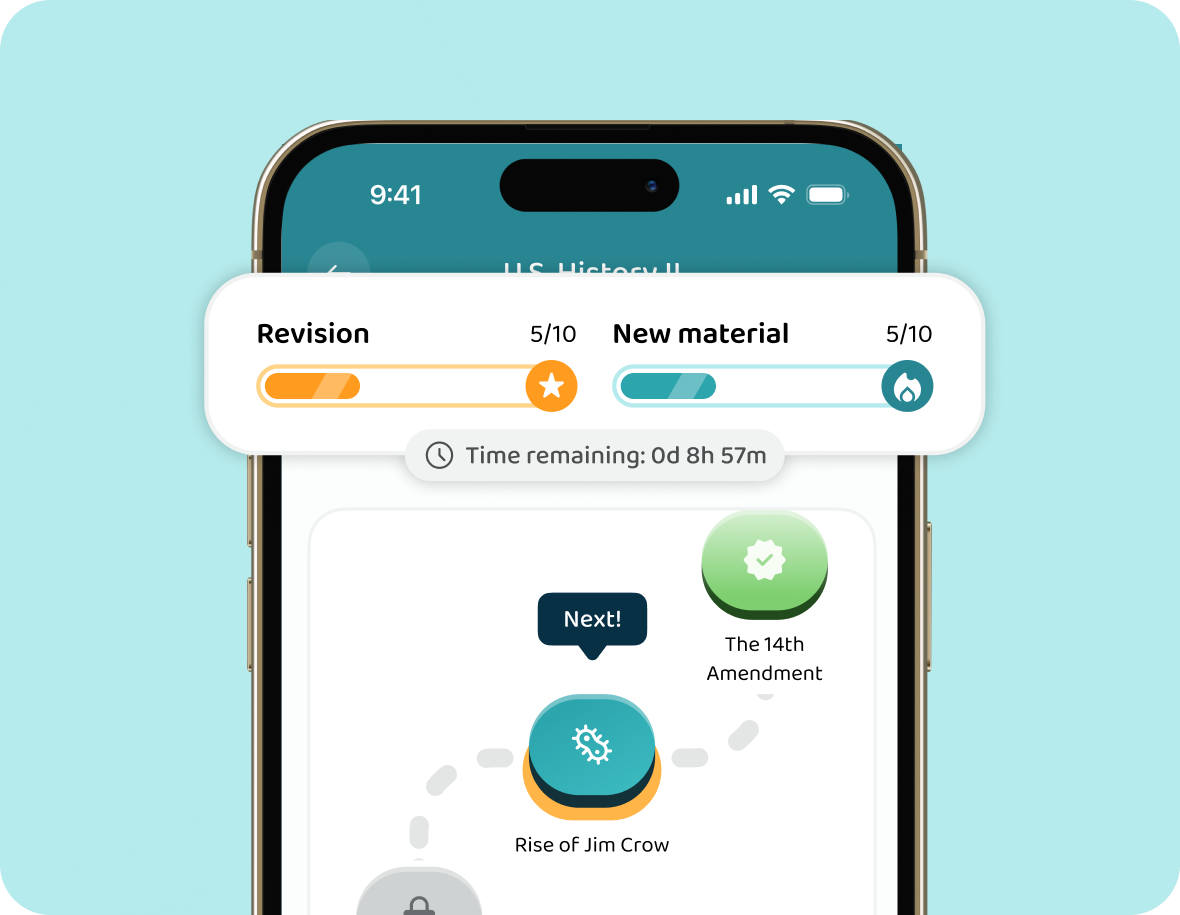
Each day mixes new lessons with the topics you’re about to forget.
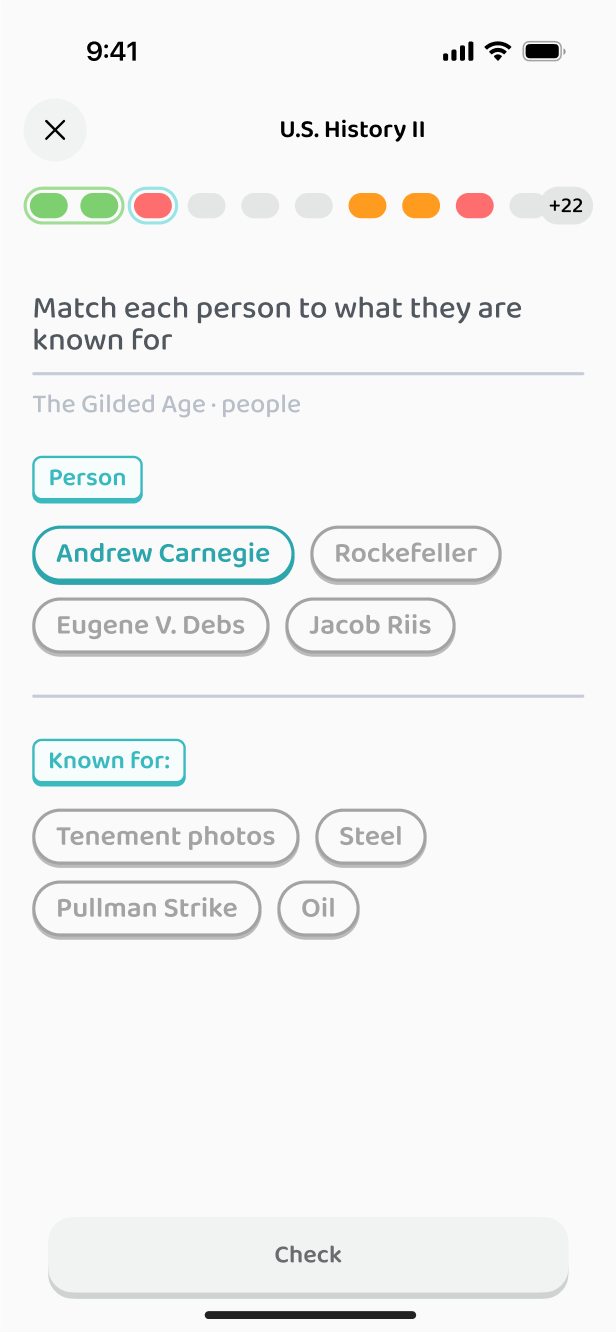
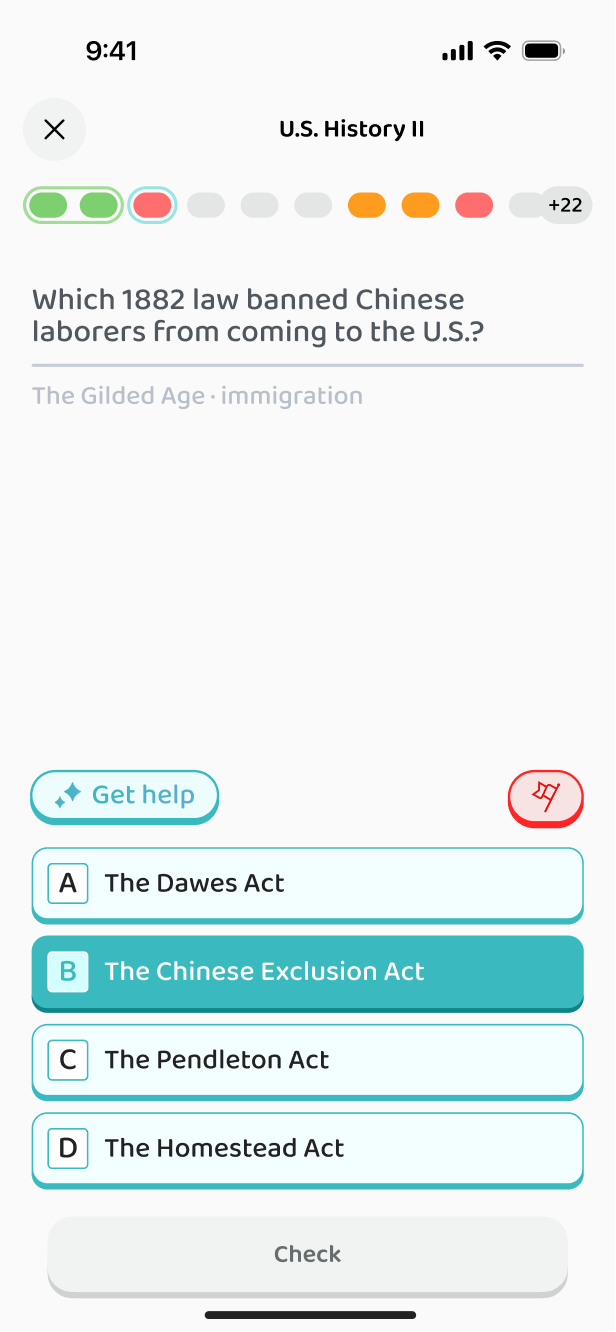
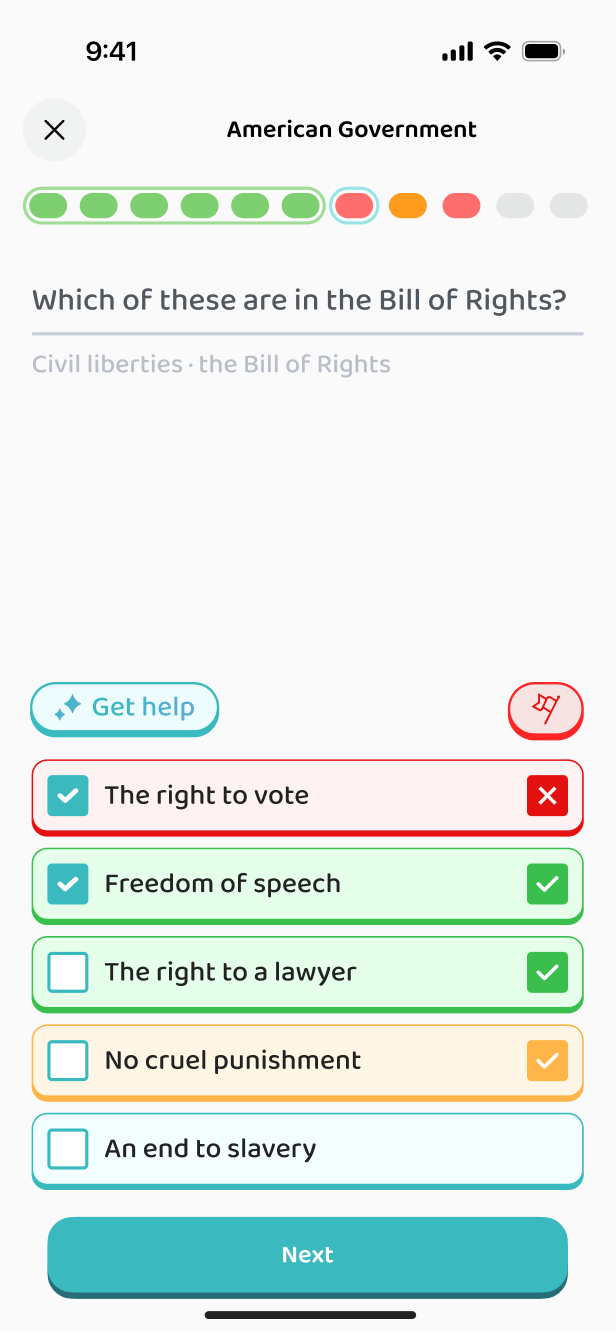
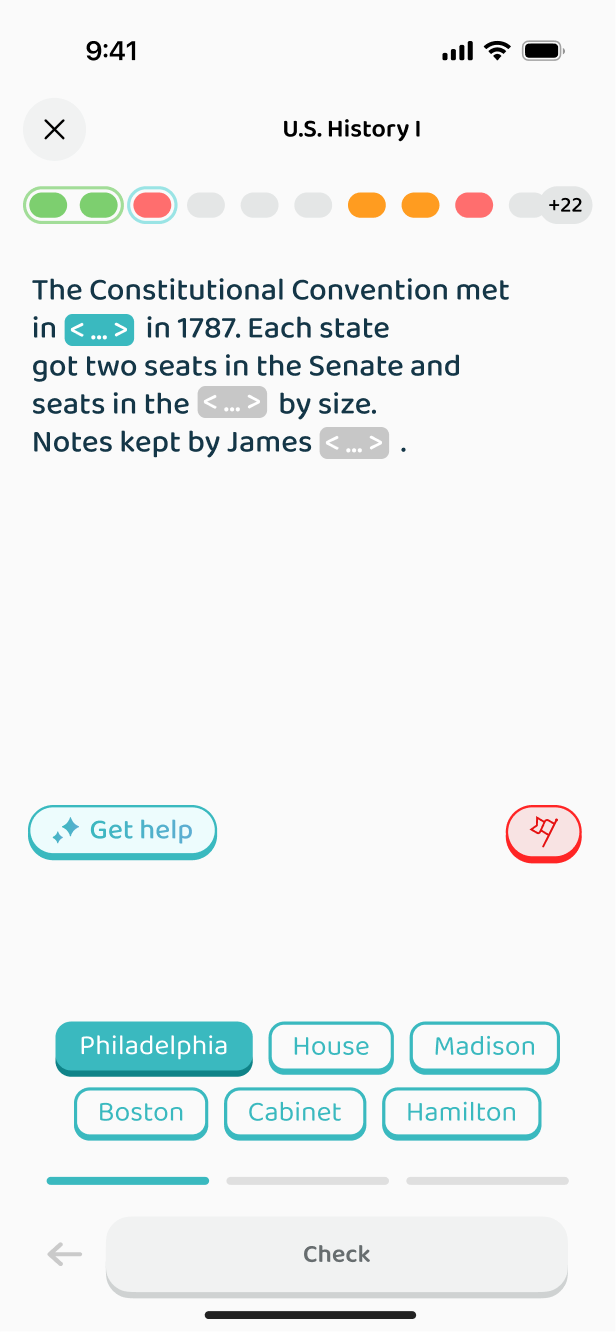
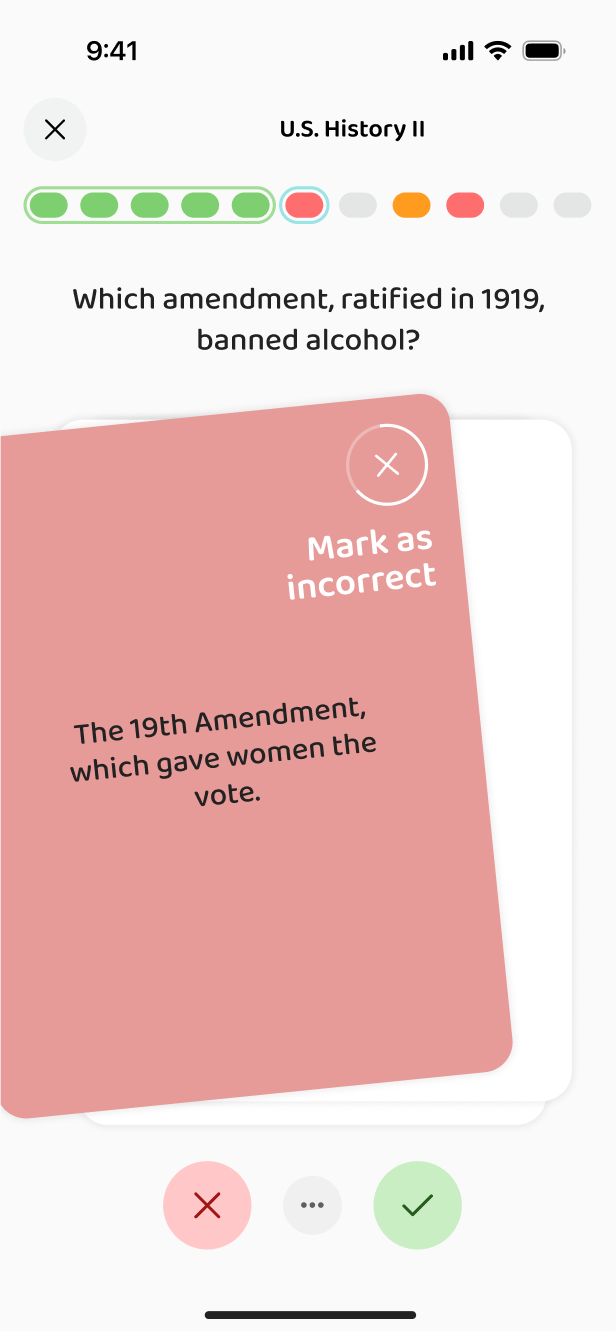
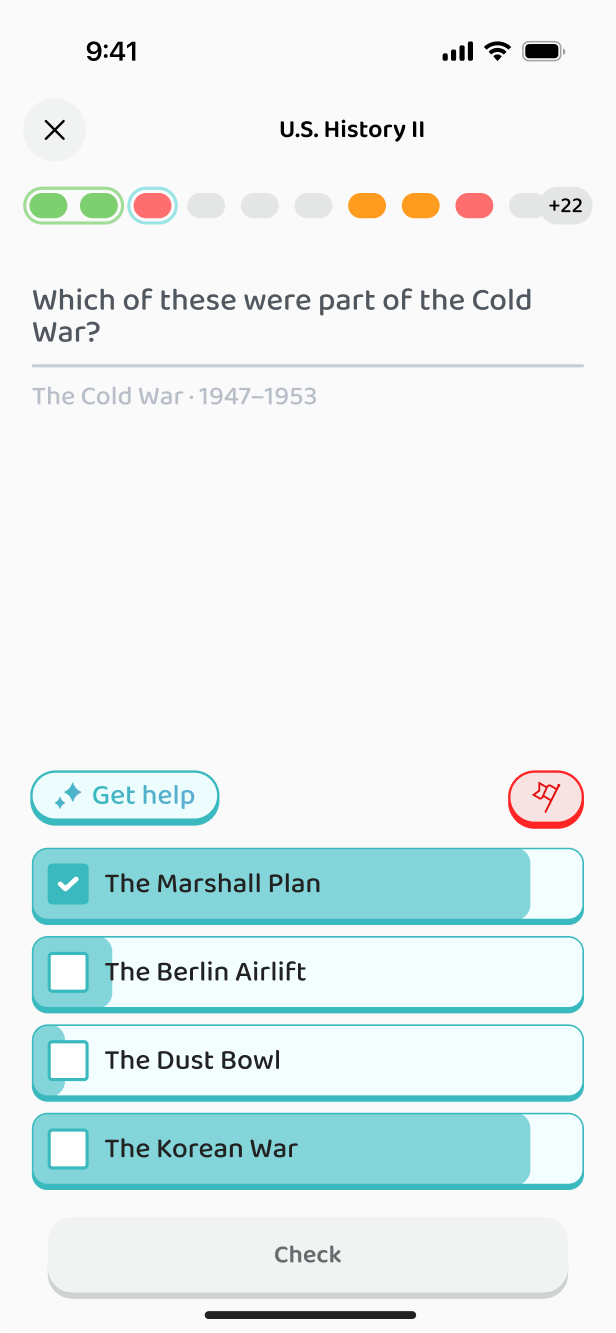
Ordering, sorting, matching, single answer, multiple choice, fill in the blank, tables, flashcards, ask-the-audience and an AI chat. Each idea gets asked several ways, so you learn the material, not just the shape of one answer.
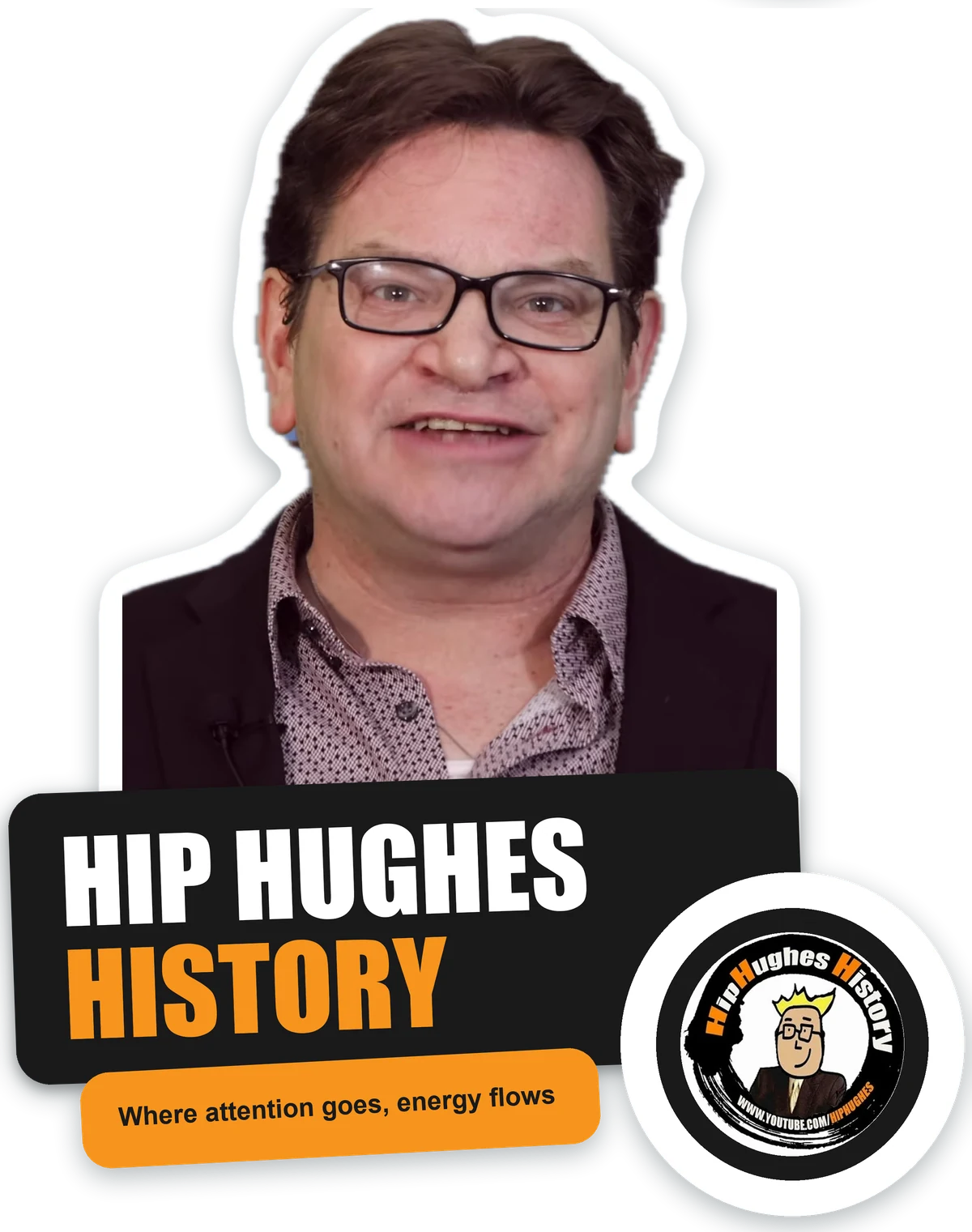
Keith Hughes is the educator and creator behind HipHughes History, known for making history and government engaging and accessible. His work spans classroom teaching, educational video, professional development, and storytelling that amplifies teacher and student voices.
“I think a long time ago I figured out that kids are really smart. They just don't speak in academic kind of discourse. So I think that what my videos do is try to speak in student language.”
He also teaches future teachers at the University at Buffalo. Plenty of the people watching his videos are in college survey courses, and this is the course he’d want them to have: the whole survey, in the order your class runs it.
Keith Hughes | Educator, Storyteller & Speaker

They are, and they stay free. What YouTube can’t do is ask you about each topic after the video, explain why an answer was wrong, and bring the early chapters back before your final. That’s what the course adds.
U.S. History I if your class ends around 1877, U.S. History II if it starts around 1865, and American Government for an intro government or political science class such as POLS 101 or GOVT 2305.
It follows the usual order of a survey course. Your professor may group the chapters differently, but most topics will match, so you can practice the ones your next exam covers.
No. Read what your professor assigns; the course helps you learn it and keep it until the exam.
Voovo’s team writes them from his videos, and experts review every question before it goes into the course.
The prices for U.S. History I and Intro to American Government are on the course cards above. U.S. History II is being built now: sign up and you’ll get an email the day it opens, with 10% off.
AP® is a trademark registered by the College Board, which is not affiliated with, and does not endorse, this site.
Set the date of your final today, and you’ll be through the course well before it.
