
01Lessons
Every topic, explained
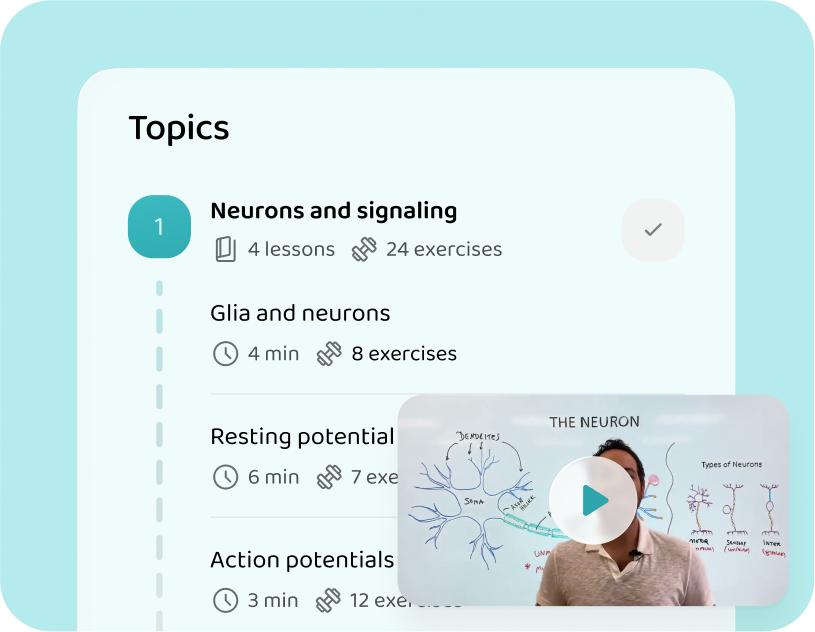
The course is split into units and lessons. Each one explains the concept before it asks you anything, so you are not tested on something nobody taught you.
- 13 units
- 62 lessons
 Psych Explained & VoovoBrain & BehaviorPsych Explained × Voovo
Brain & Behavior, also called Biopsychology or Physiological Psychology, is open now, as lessons and questions built with Dr. Kushner. Intro to Neuroscience is coming: sign up below and you'll hear the day it opens.
Brain & Behavior in 13 units and 62 lessons: the neuron and the synapse, brain anatomy, the senses, movement, sleep, hormones, emotion, memory and the biology of disorders.
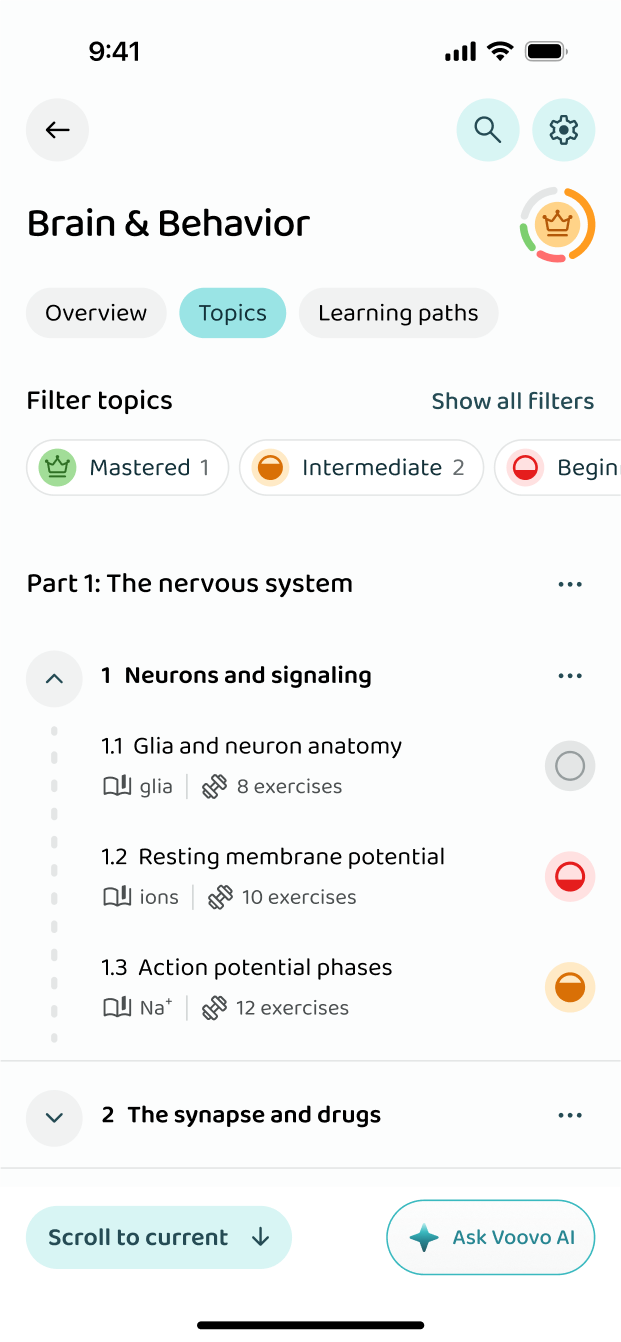
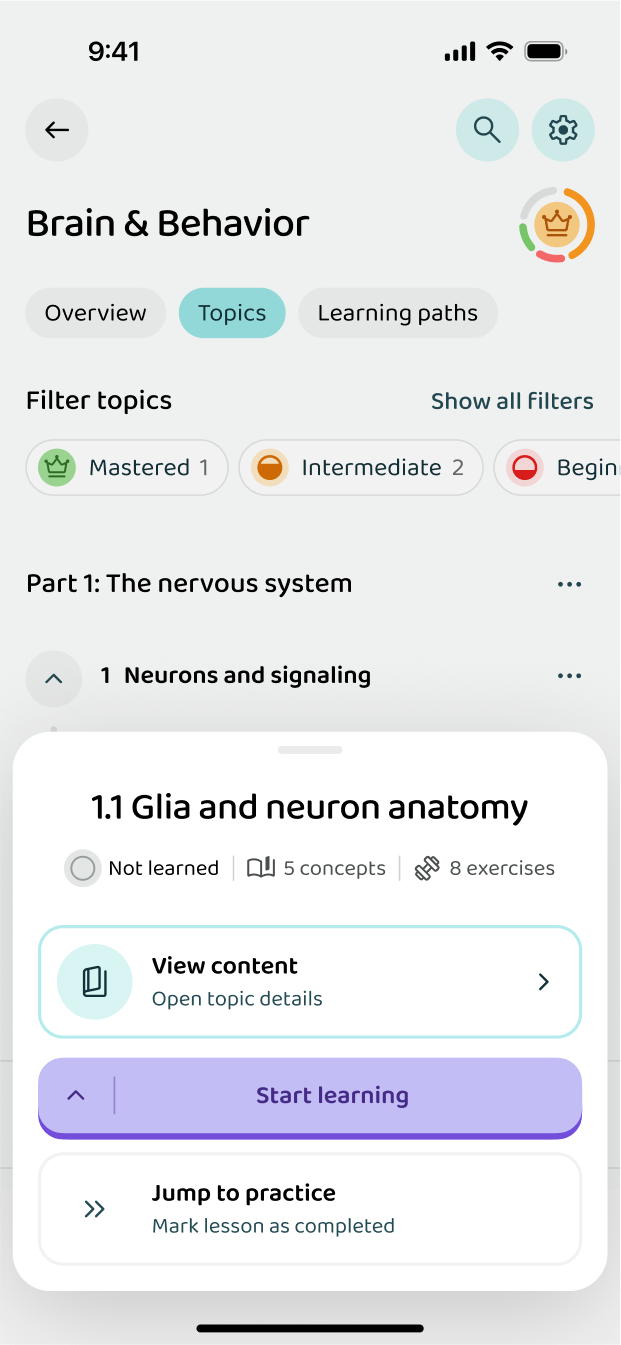
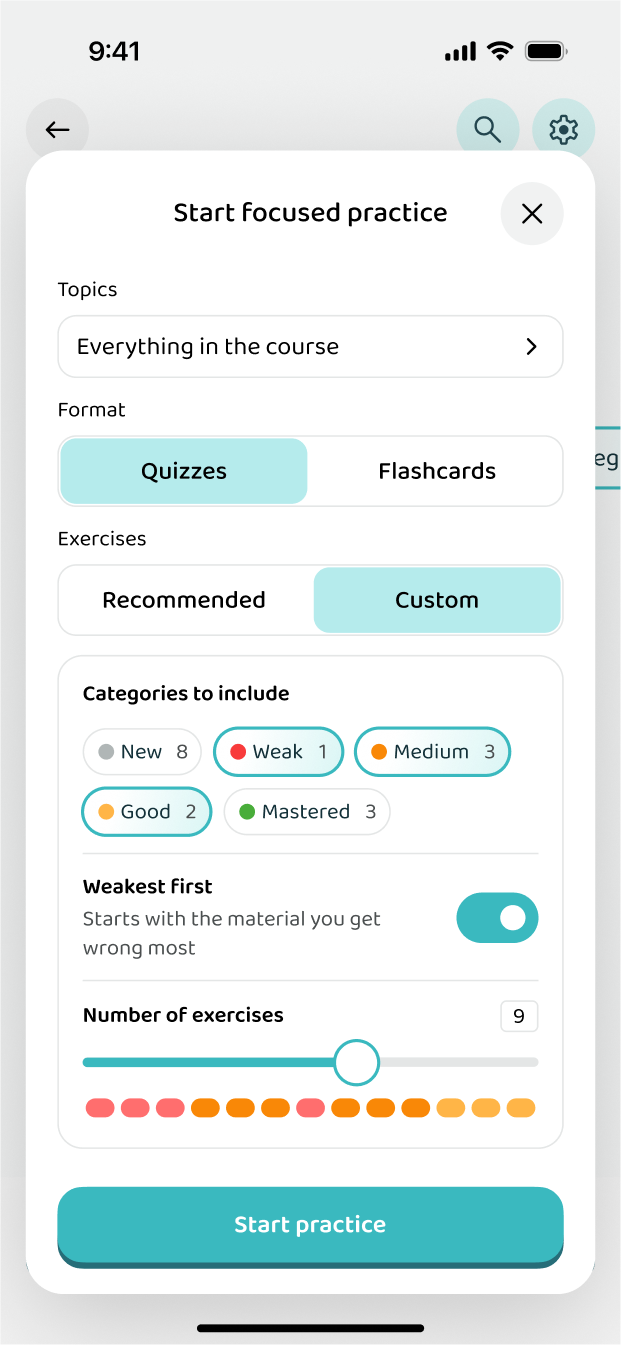
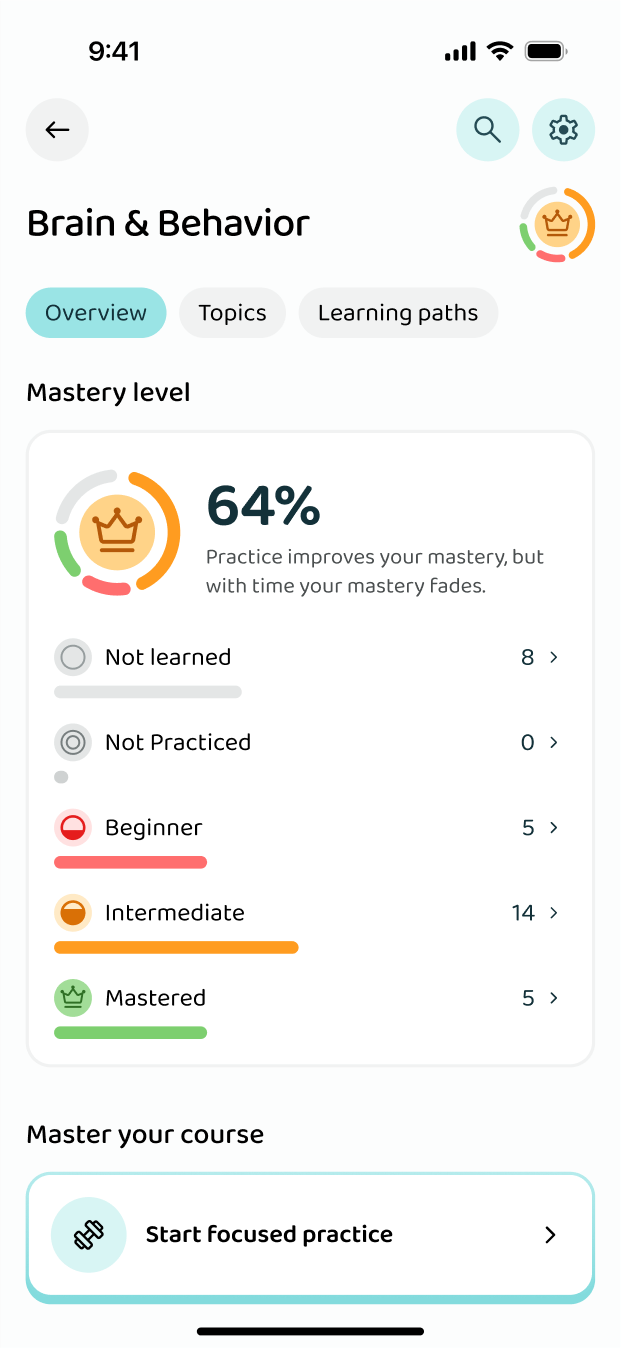
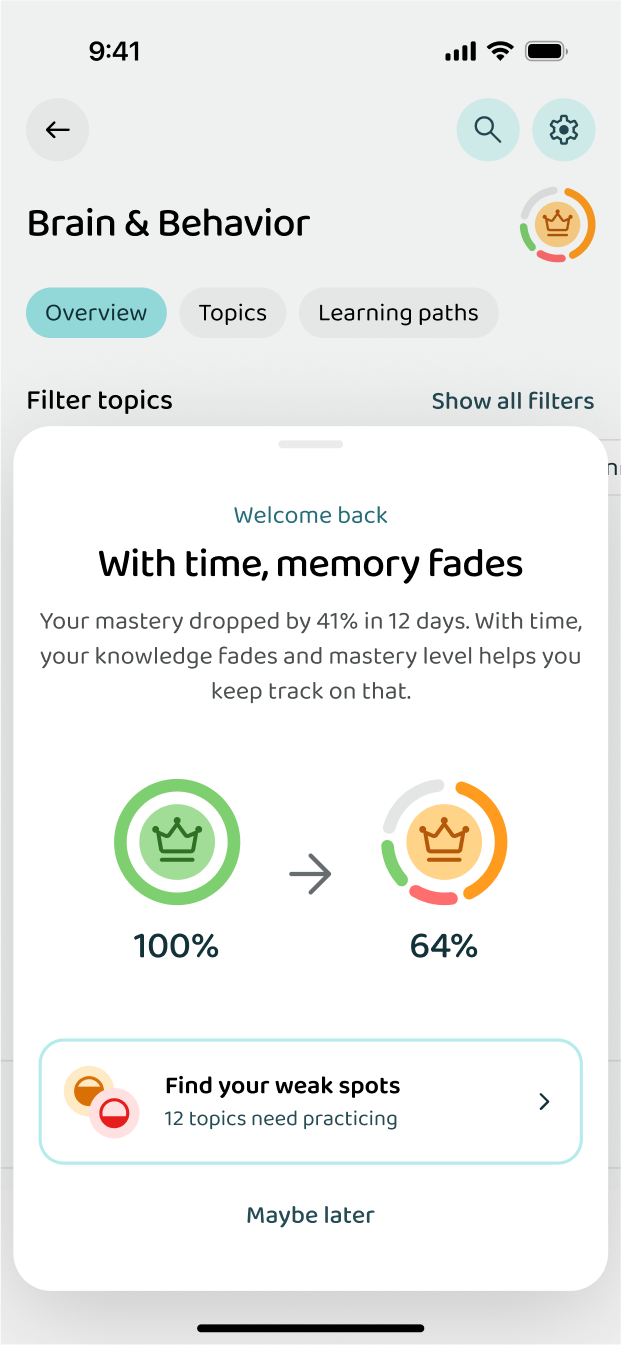
The course is broken into units and lessons, so you always know which part you are on and which part you have not touched.
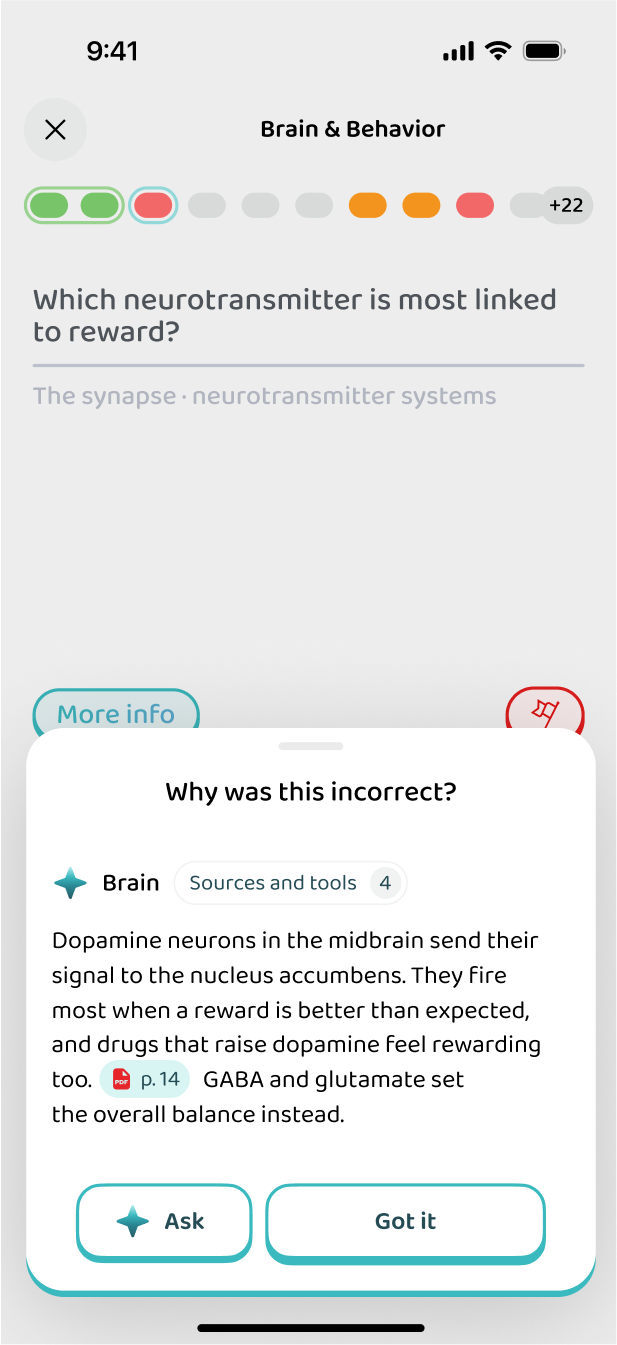
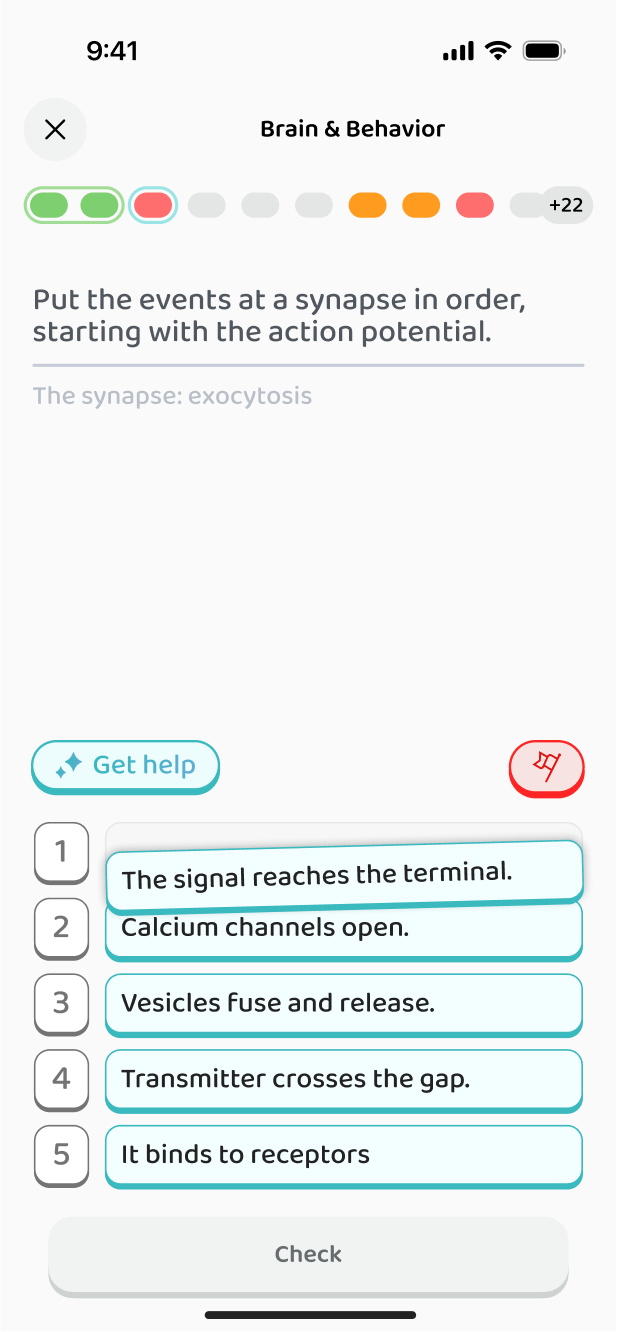
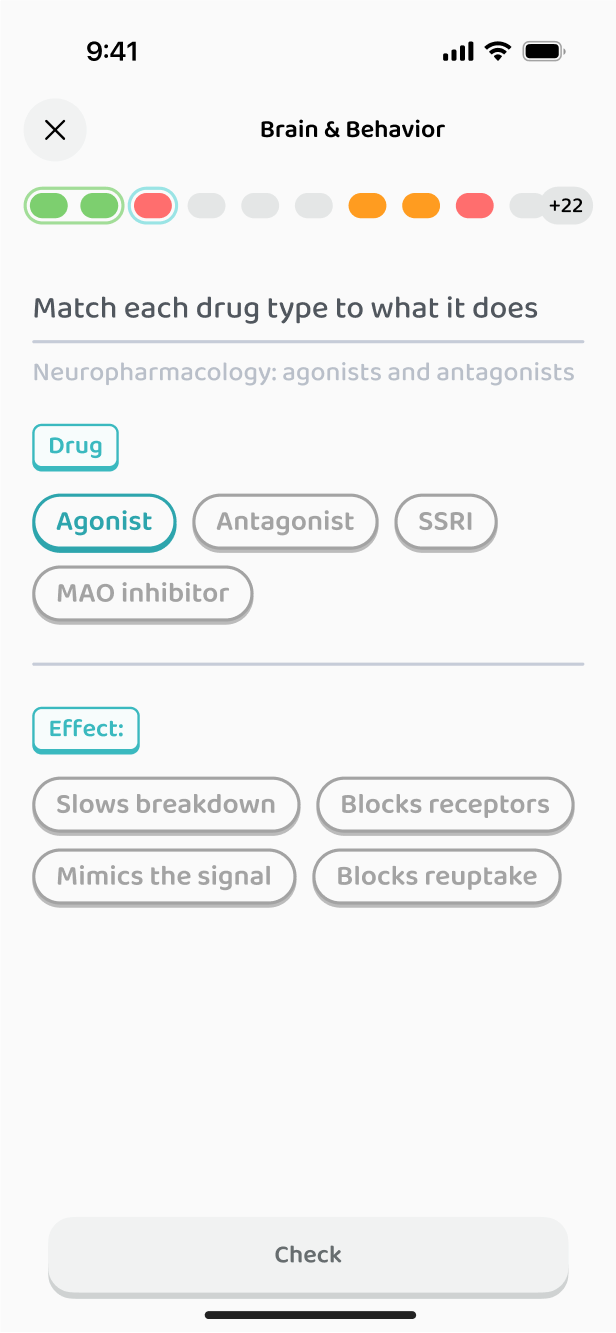
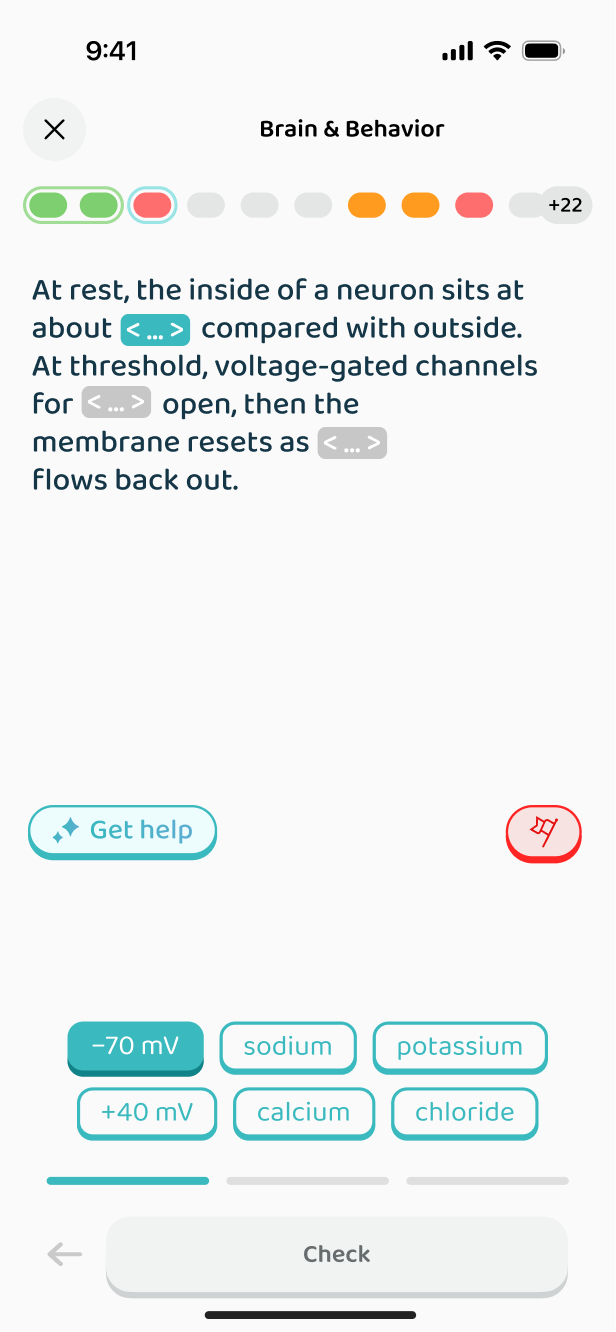
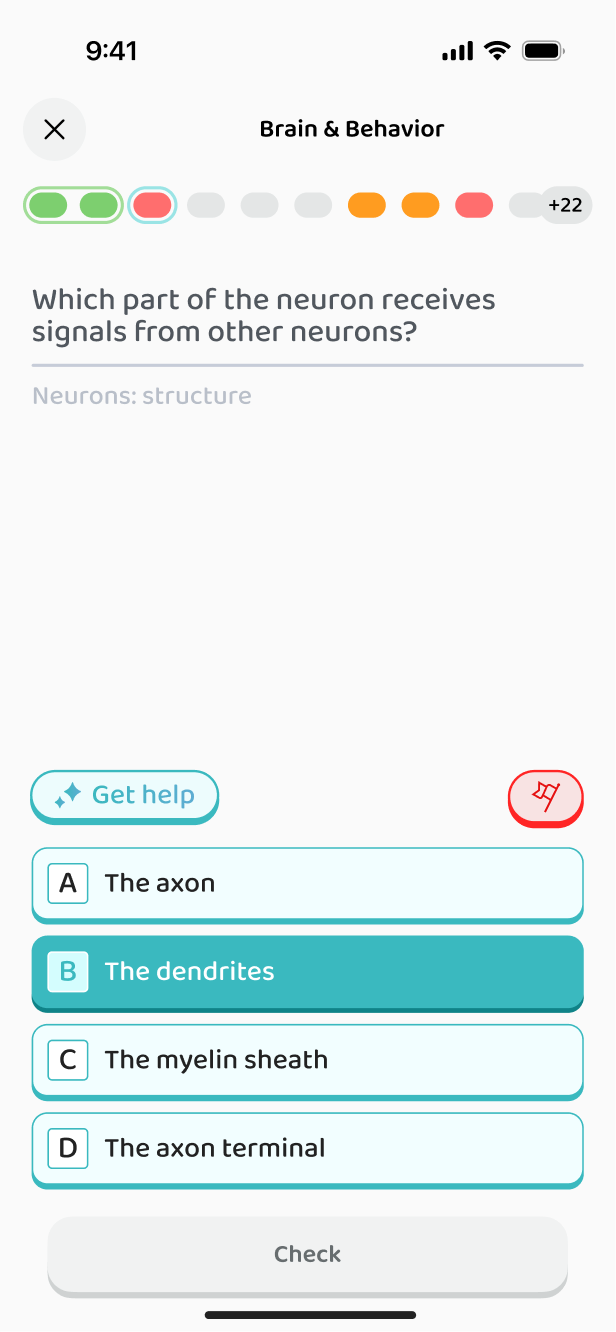
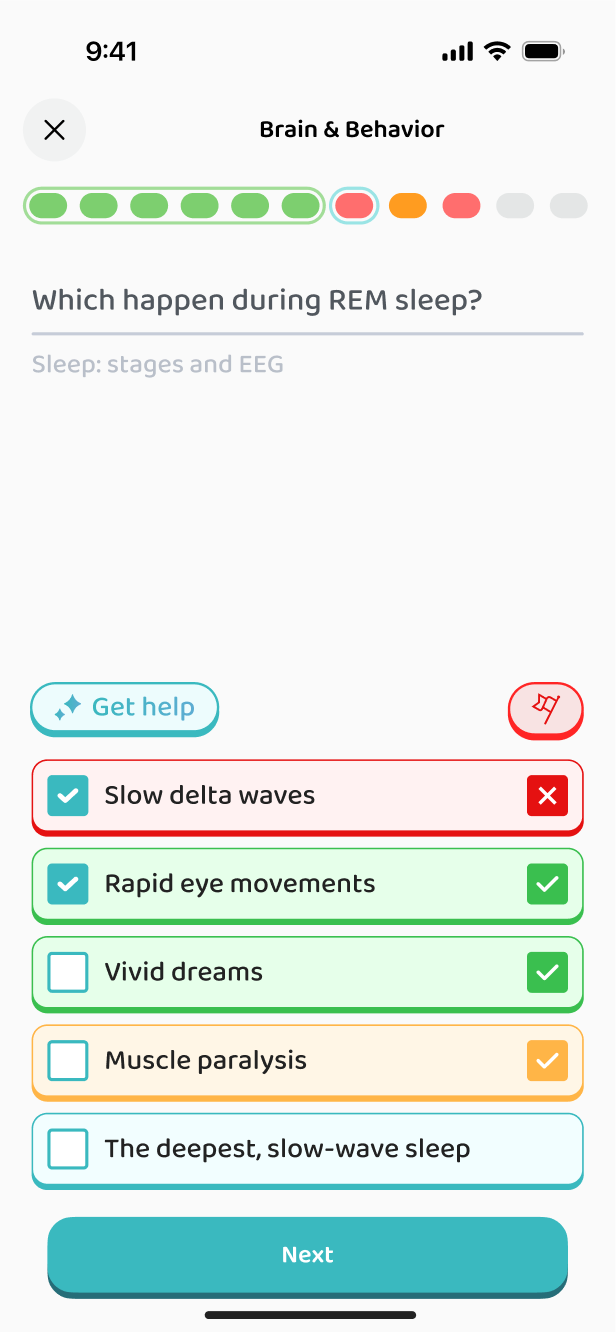
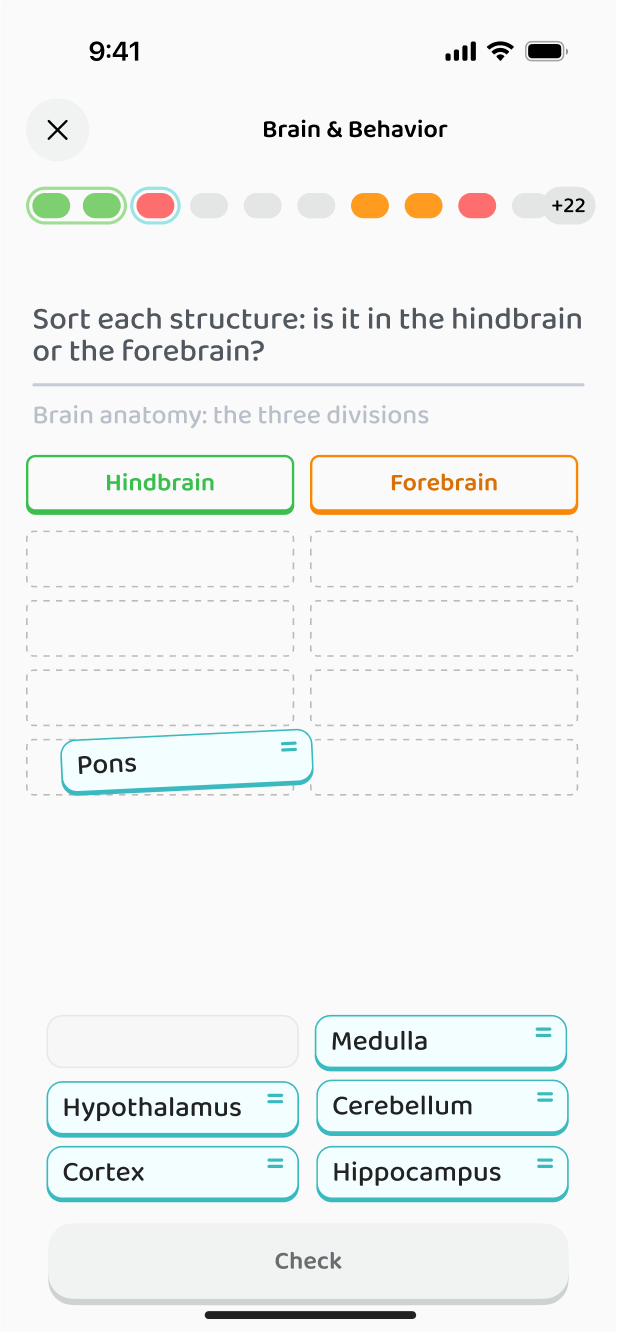
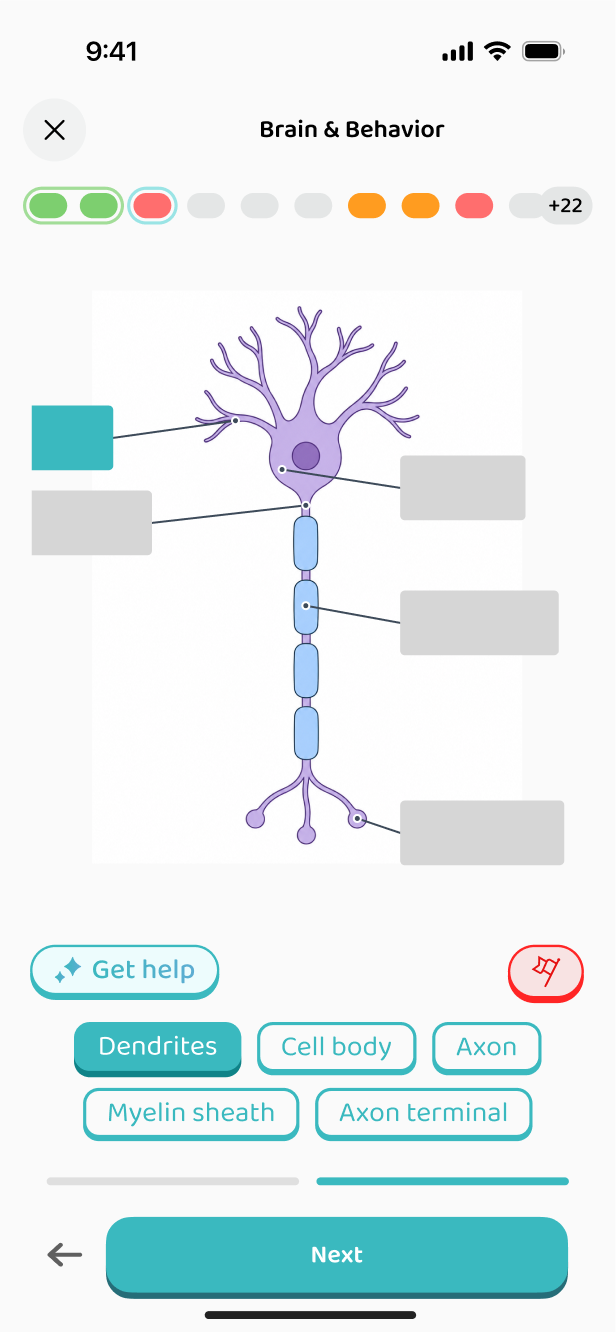
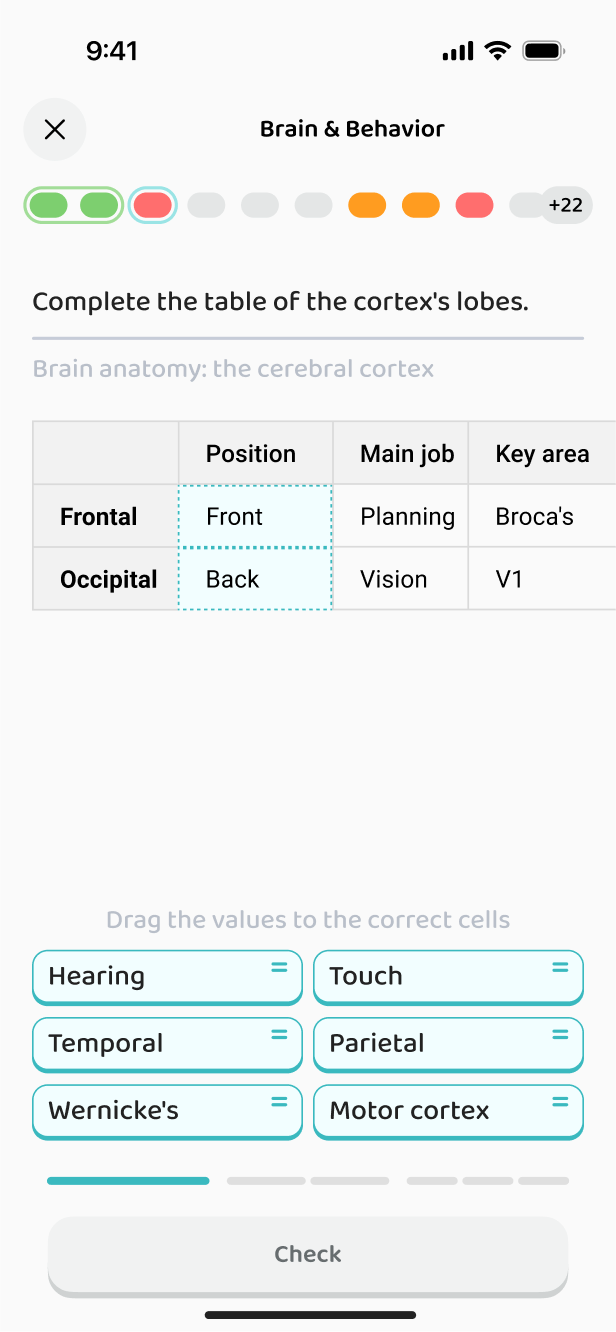
Each lesson comes with questions — ordering, matching, fill the blank, multiple choice — so you find out what you actually know.
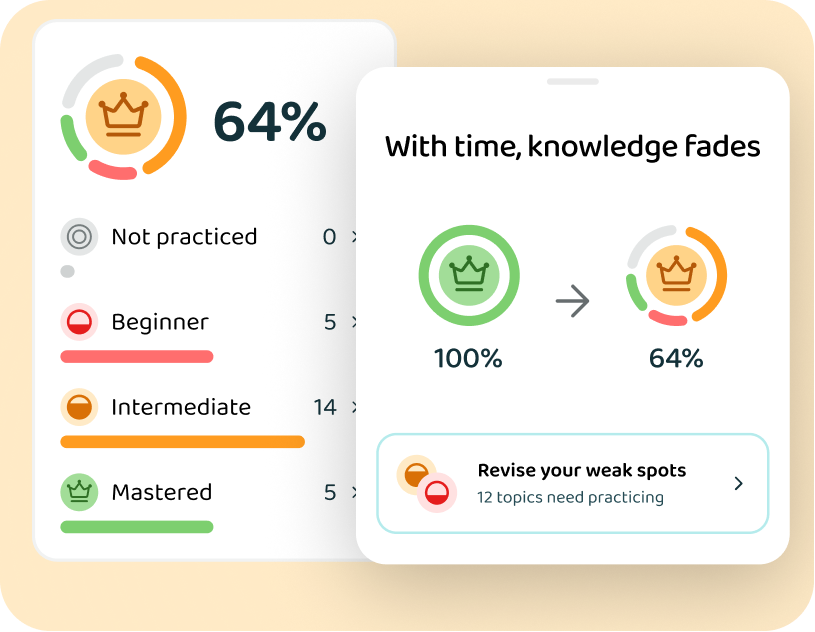
What you get wrong returns in a few days. What you know returns later. The early topics are still there at the end of term.
The lesson explains the material. The questions right after check whether you actually understood it. The app brings topics back just before you would forget them.
The course is split into units and lessons. Each one explains the concept before it asks you anything, so you are not tested on something nobody taught you.
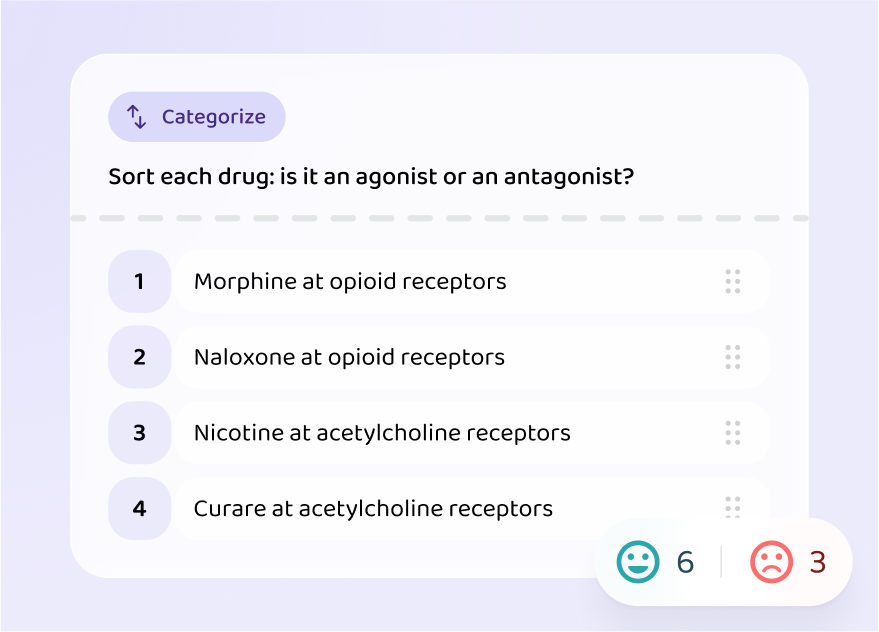
Order the events at a synapse. Match agonists and antagonists to what they do at the receptor. Fill in the blank. You find out what you know by answering, which is also how the exam will ask.
What you got wrong returns in a few days, what you know returns much later. So you still remember what you learned in week 3 by the time you reach week 12, and you are not relearning the whole course the night before.
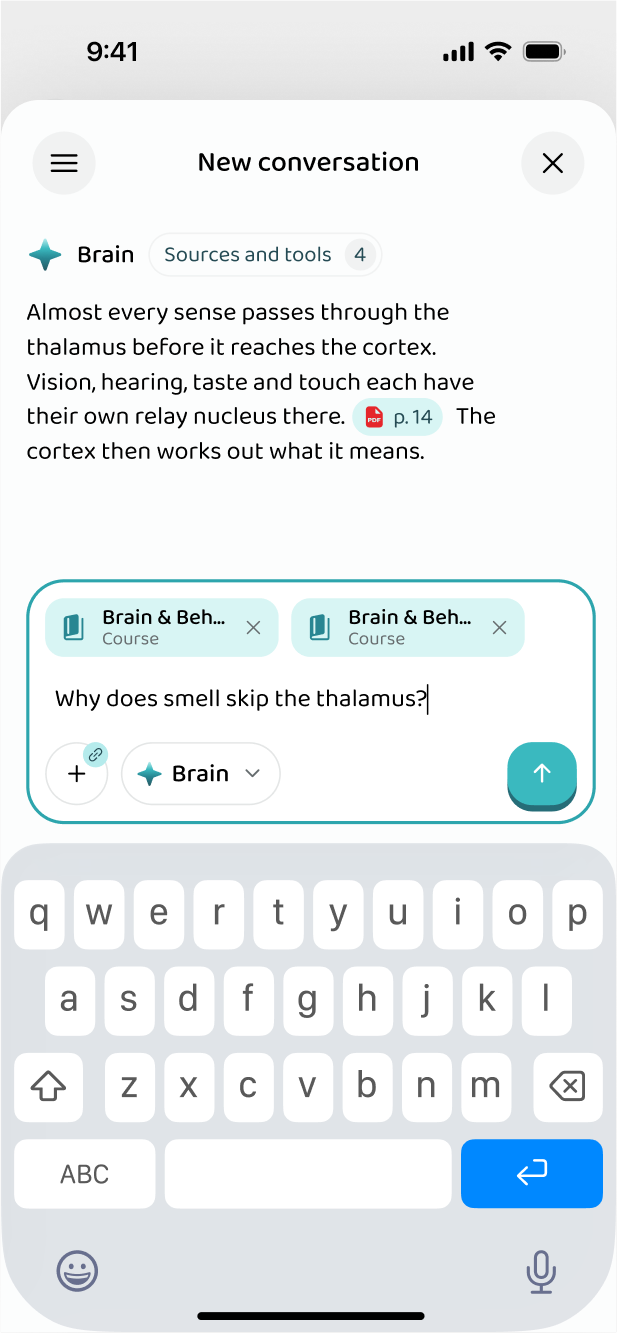
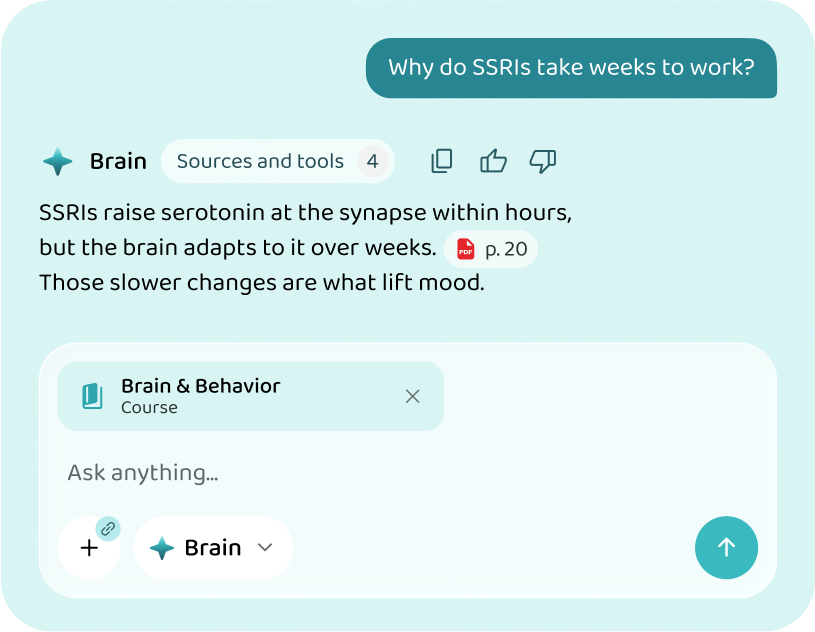
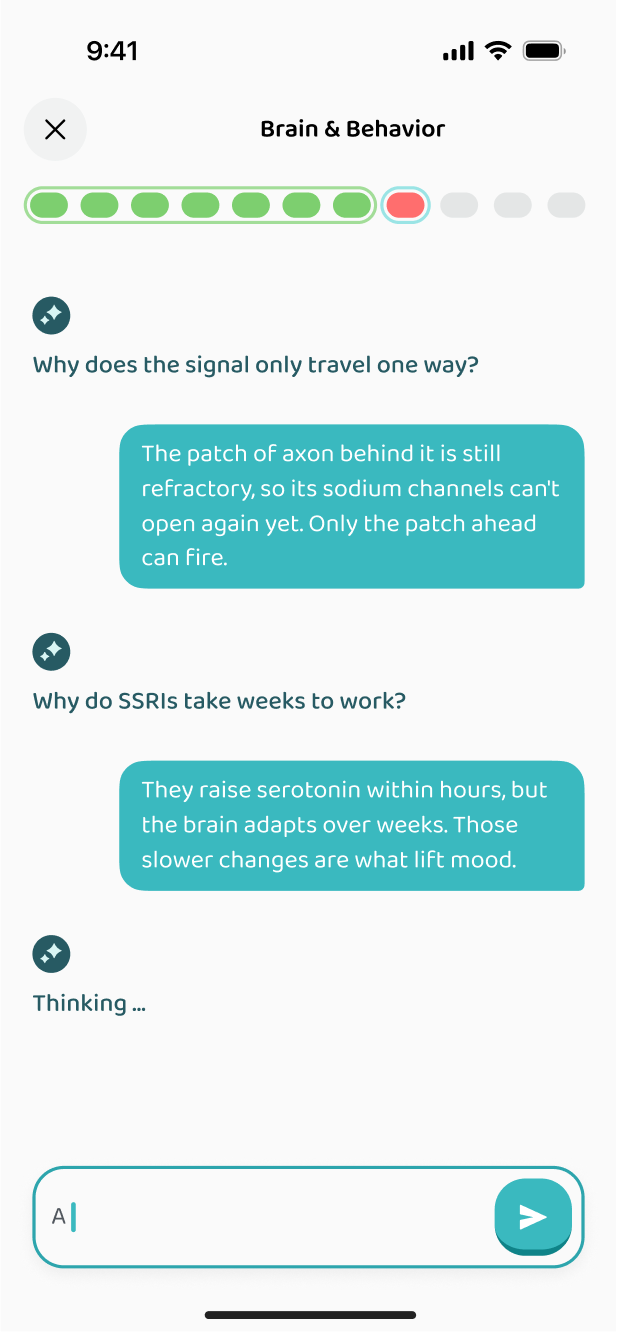
Ask about anything in the course and you get an answer from the course material itself, along with the lesson it came from. No weak sources, no hallucinations.


“I just finished watching the video, I haven't even opened my notes yet because this guy deserves this comment. BEST video ever, your page is my go-to. THANK YOU for explaining it so easily, my 1 hour and 15 minute lecture didn't explain it as well as your 12 minutes did!!”
Thirteen units, in the order most biopsychology courses teach them. Your professor's order may differ a little; you can take the units in any order.
Courses from Psych Explained, organized into focused paths so you can start with the right next lesson.
Intro to Neuroscience is being built now. Leave your email and you'll hear the day it opens, with 10% off.
Put in the date of your exam and the course spreads itself across the weeks you have, instead of leaving all of it to the end.
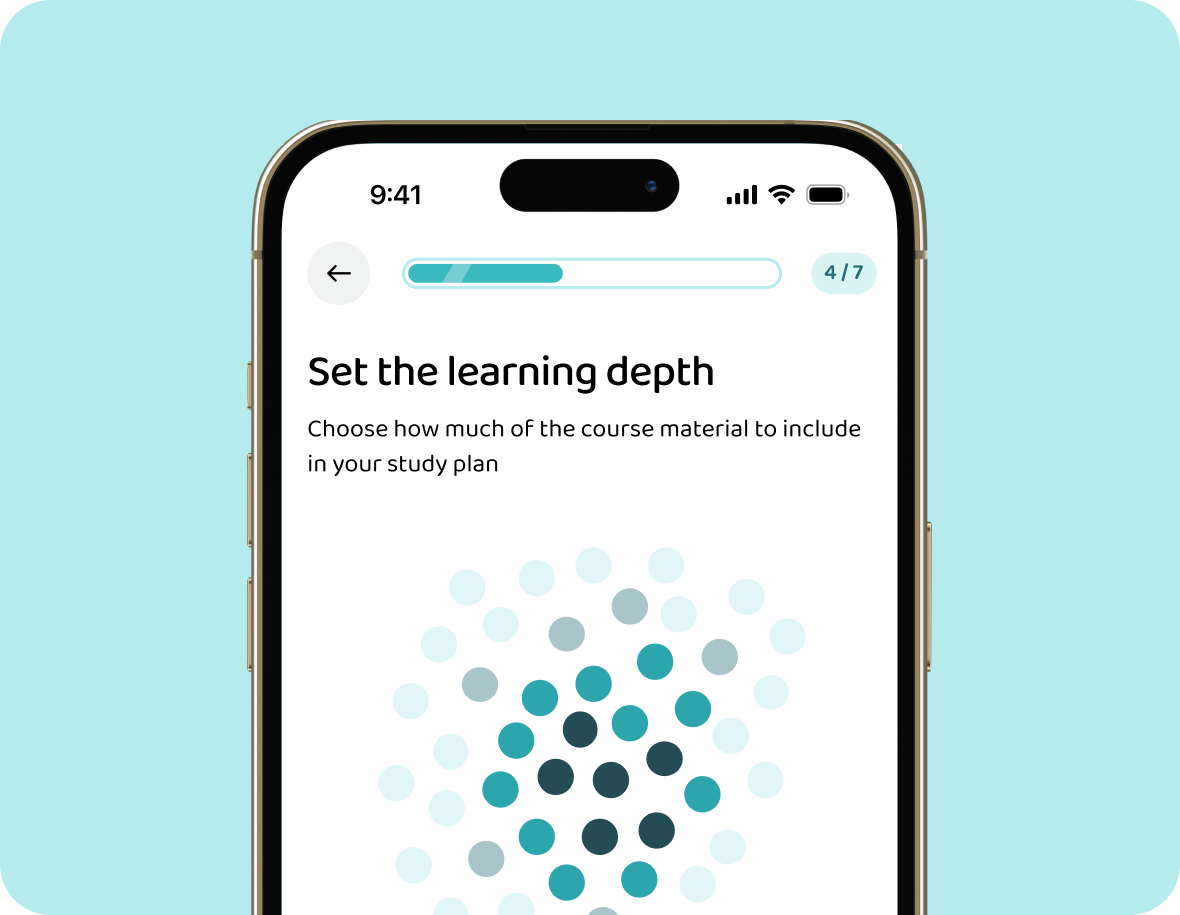
Pick how much of the course goes into the plan — all of it, or just the parts your class actually covers.
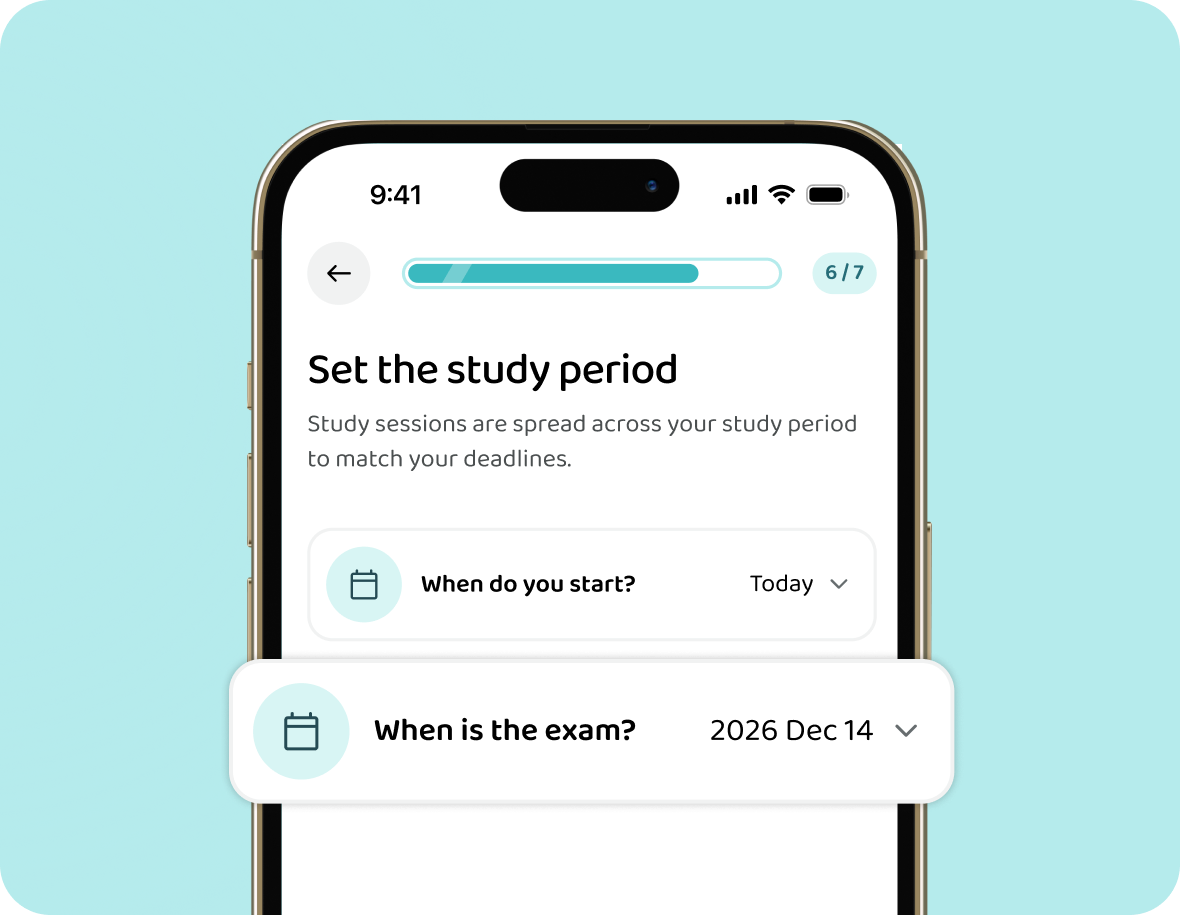
Say when the exam is. The sessions spread across the time you have left, instead of piling up at the end.
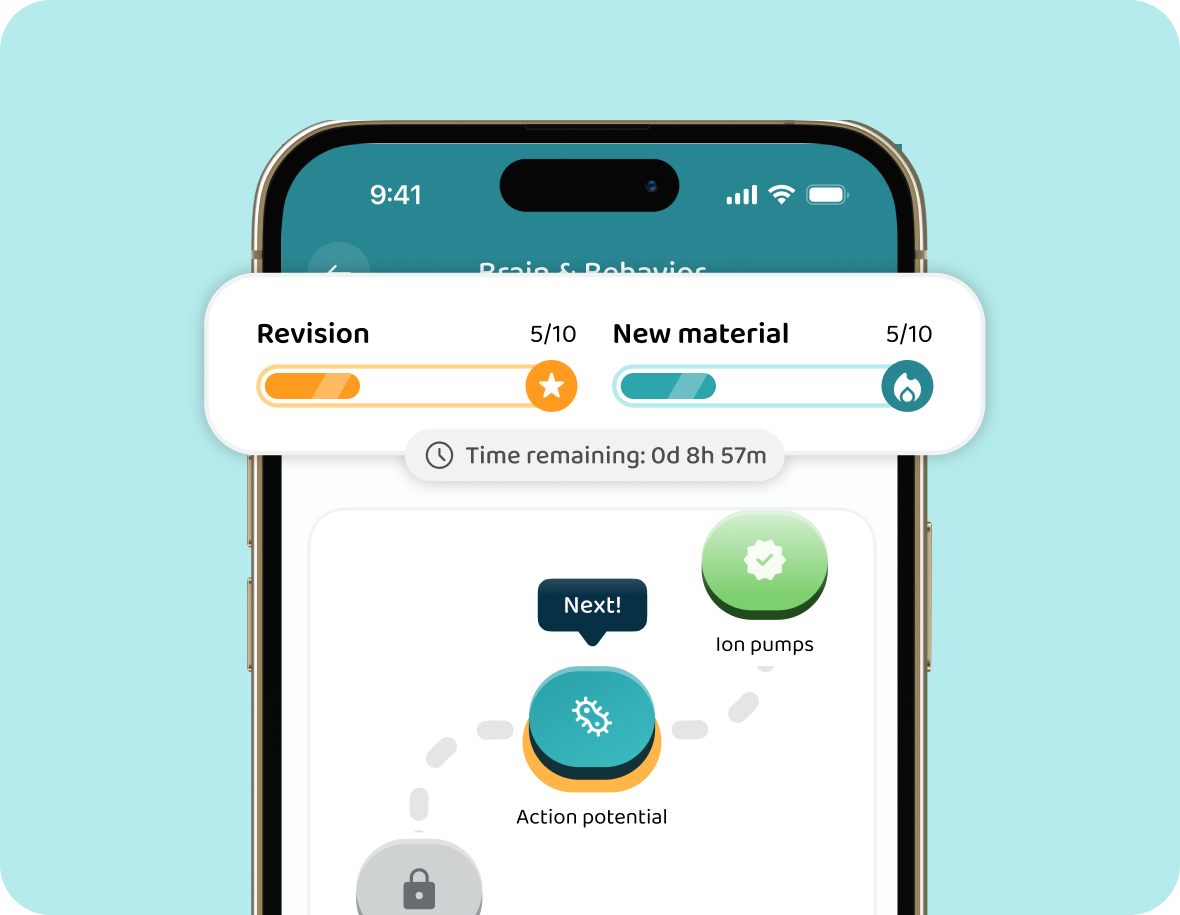
Each day you get a mix of new material and review, sized to what's left before the date.
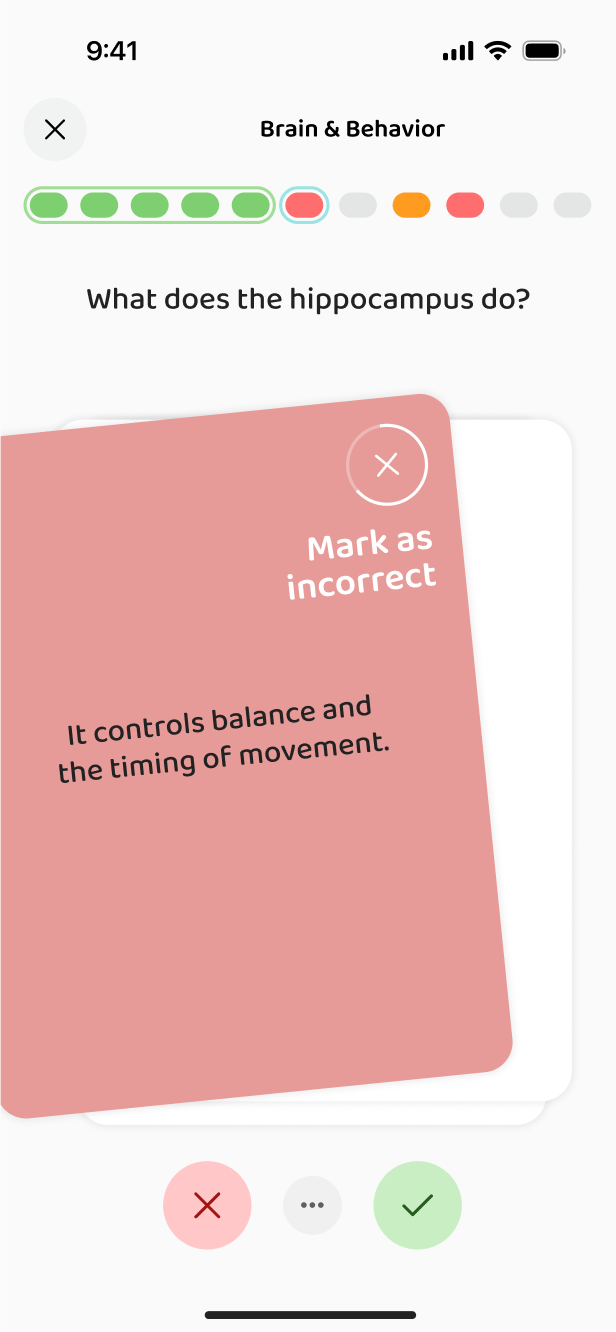
Ordering, matching, fill the blank, multiple choice, flashcards — the same idea comes back from more than one angle, so you don't just memorise the answers.
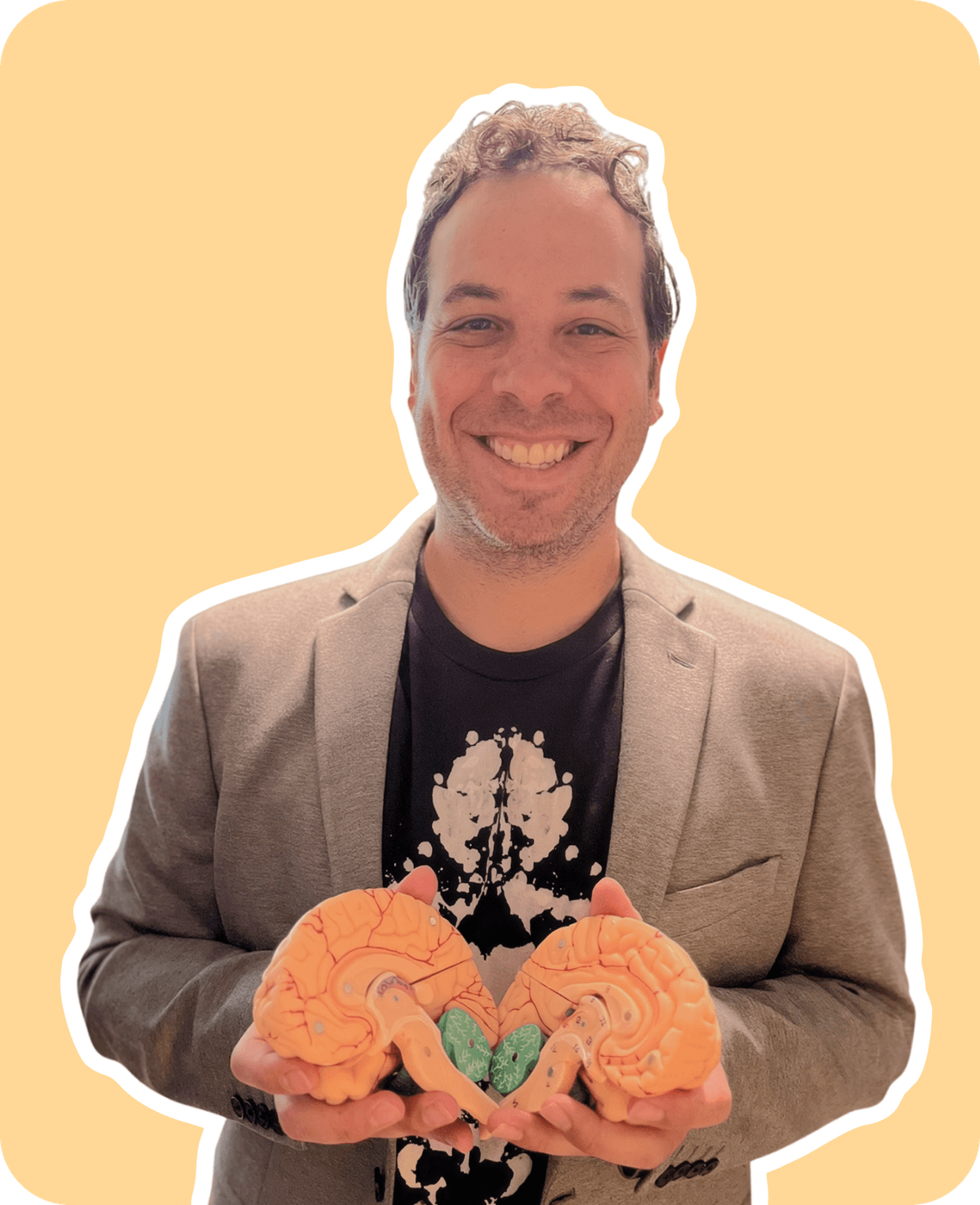
Hi, I'm Dr. Steven Kushner. For nearly two decades, I've taught psychology as both a former college professor and a current AP Psychology teacher.
My passion is neuroscience, and I specialize in translating complex brain processes into clear, engaging lessons that stick.
That's what this course is: the same lessons, in the order your class teaches them, with practice on the parts that never stay put.
Brain & Behavior is open now. Intro to Neuroscience is a separate course and is still being built. They overlap a lot (the neuron, the synapse, brain anatomy, the senses, sleep and memory), but take the one that matches your class.
Same thing, different department. Check the 13 units above against your syllabus: if it covers the neuron, the synapse, brain anatomy, the senses and how drugs act on them, Brain & Behavior is your course.
Yes. His channel has 162 free lessons and they're good. What the free version doesn't do is put them in an order, ask you questions, or bring week 3 back in week 11 of a cumulative course.
That's a common way to arrive here, and the lessons don't assume you've done the prerequisites. They build the mechanism from the start rather than referring back to something you were supposed to already know.
It's being built now. Leave your email under the course card and you'll hear the day it opens, with 10% off.
