01Material
Take a topic
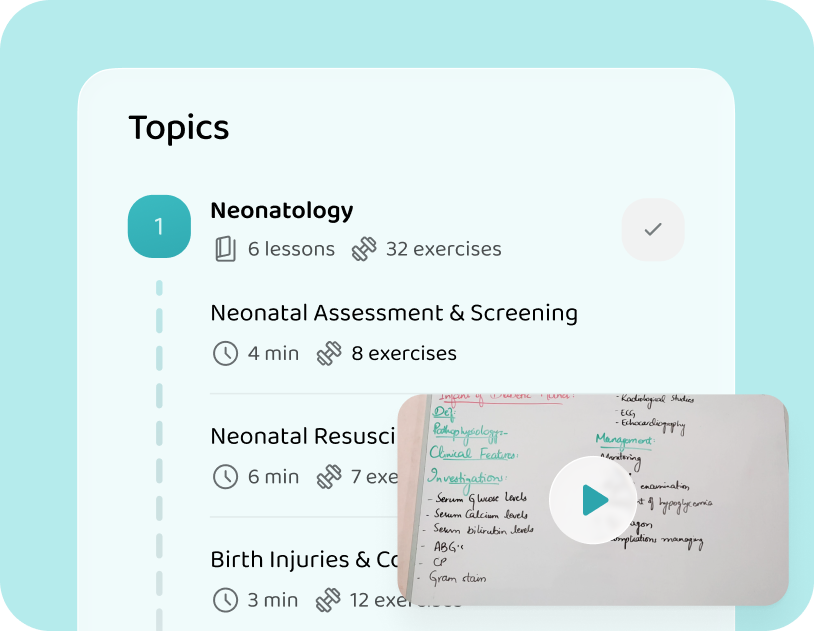
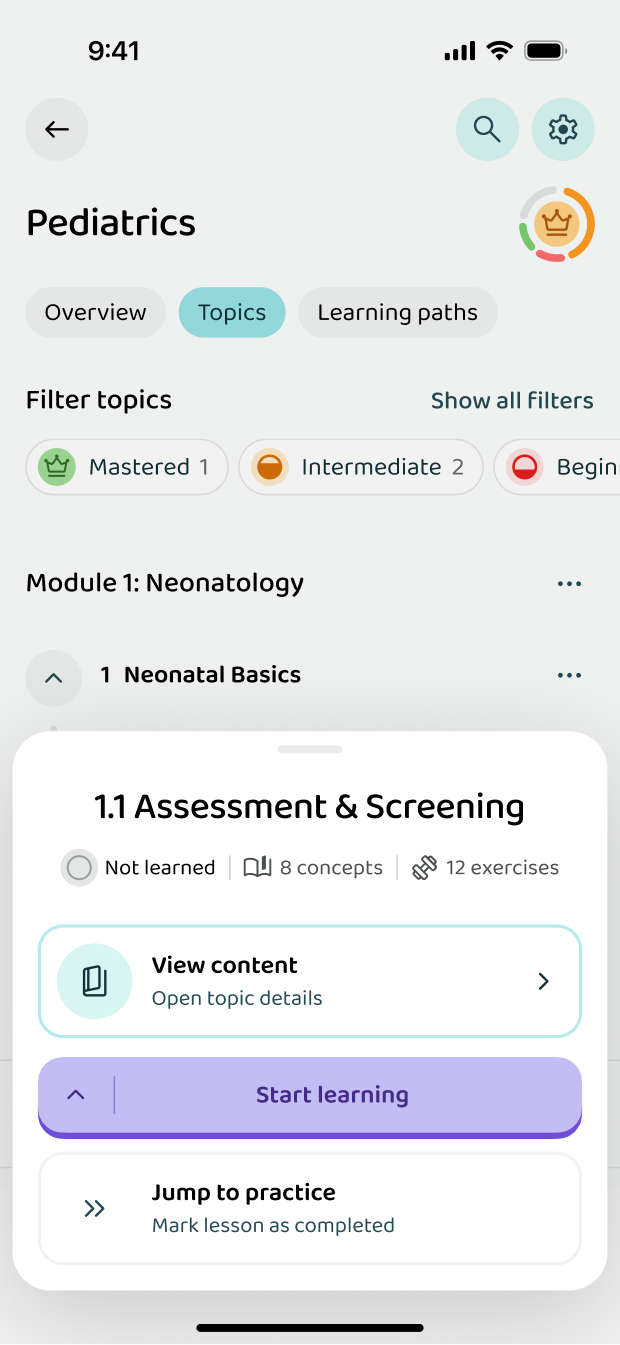
Open a lesson (for example Neonatology) and work through it as short lessons in her delivery, the handwritten-notes style you already know from the channel.
- 47 lessons
- Her order

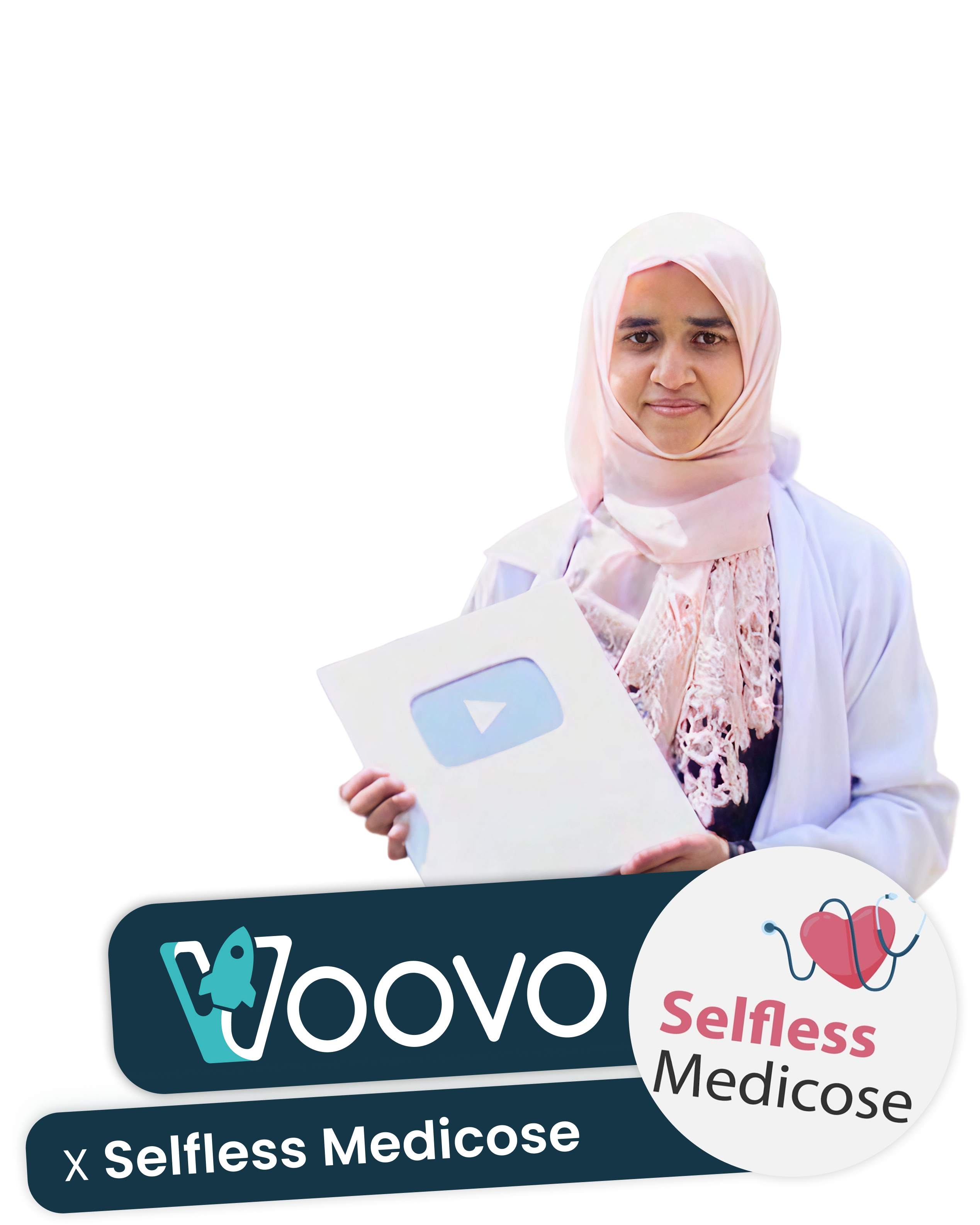
 Selfless Medicose & VoovoOfficial courseSelfless Medicose × Voovo
Dr. Yusra Malik has been teaching MBBS subjects on YouTube since 2017. Her paediatrics is now a course that helps you master the material.
Open a lesson (for example Neonatology) and work through it as short lessons in her delivery, the handwritten-notes style you already know from the channel.
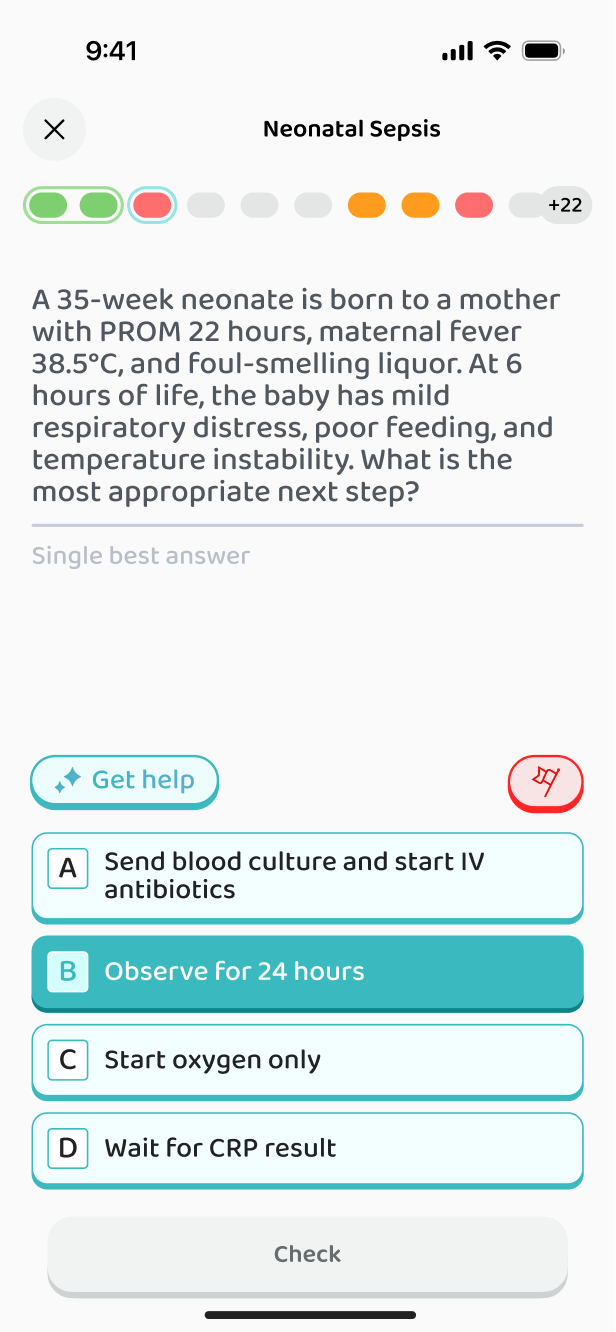
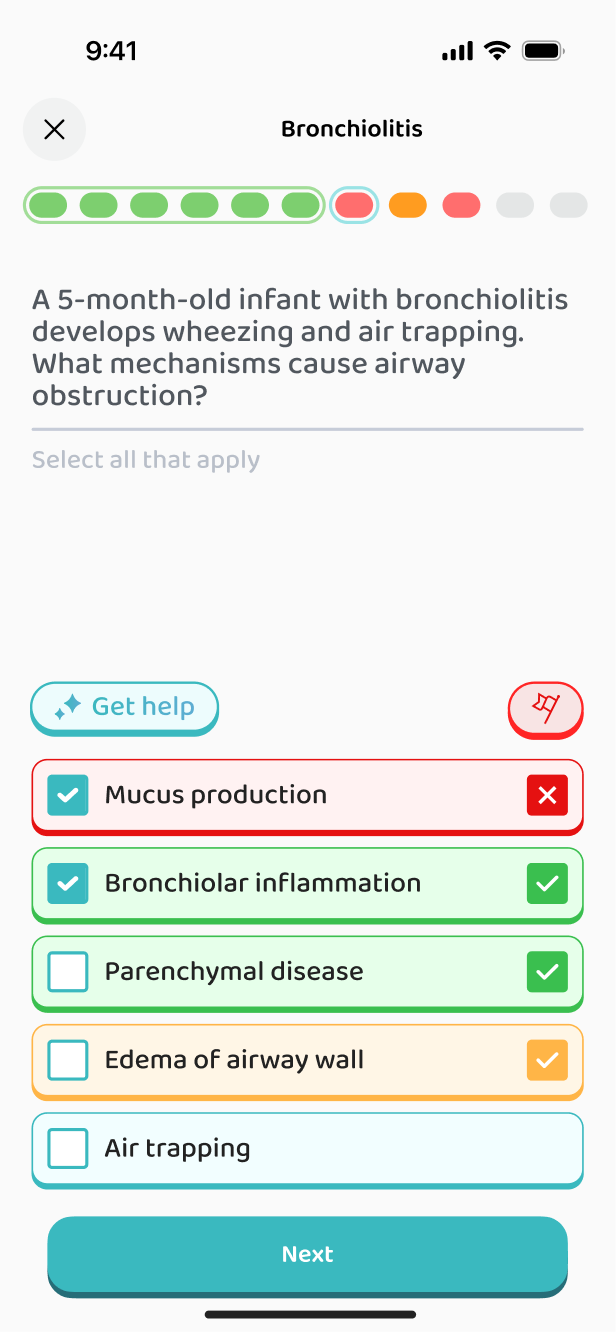
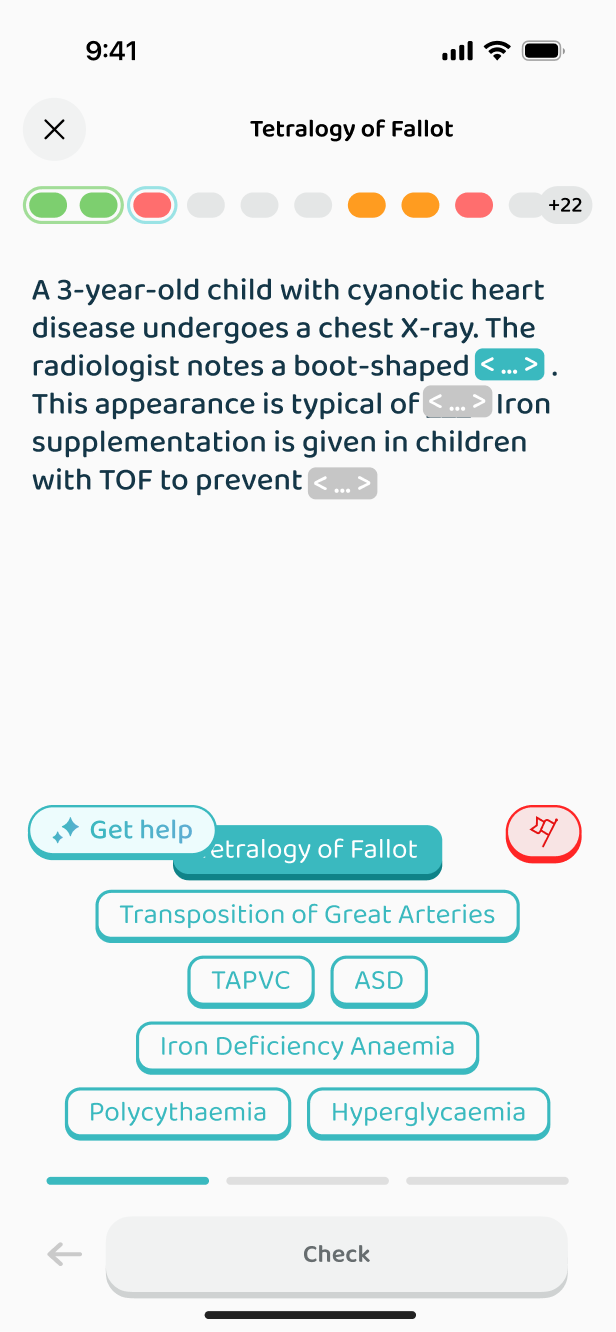
Single best answer, multiple select, fill in the blank, ordering, matching: 1,416 questions that help you learn. You find out what you know before the examiner does.
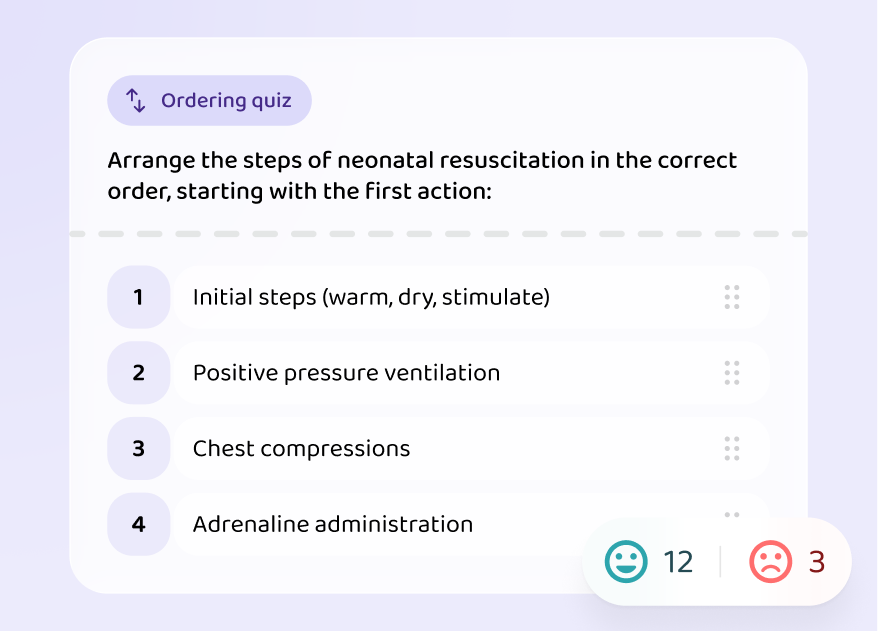
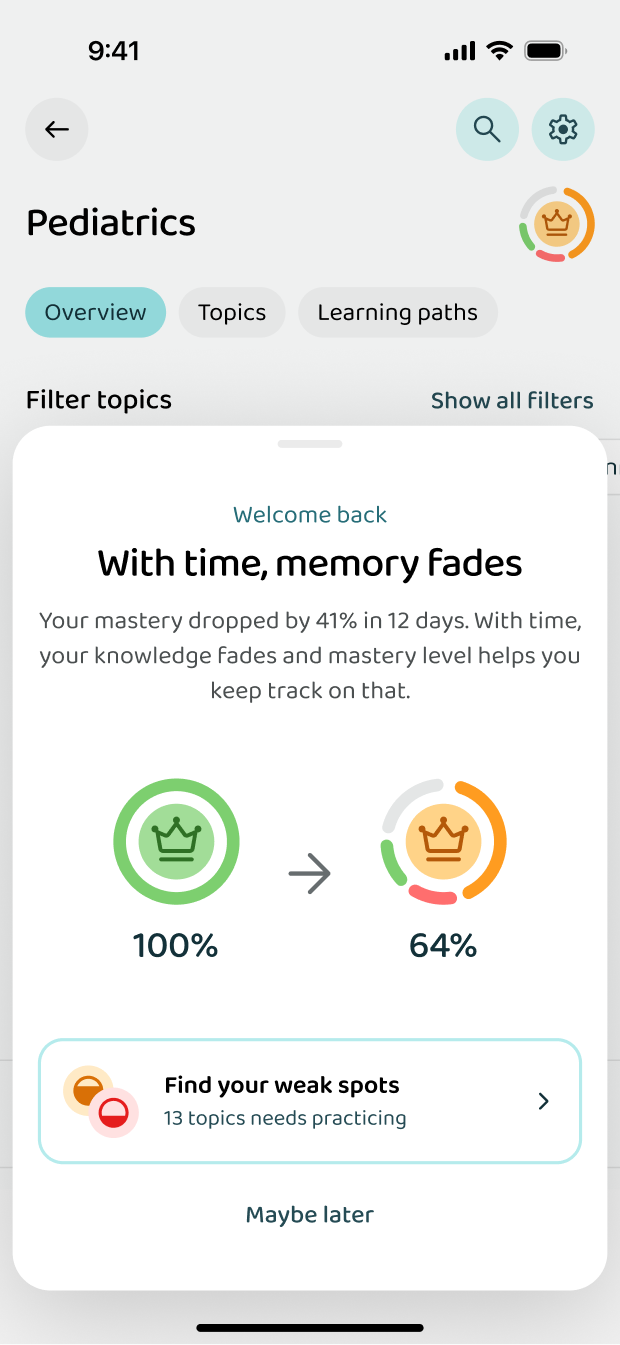
What you miss returns in a few days; what you know shows up less often. Paeds sits alongside every other subject in final year, and this is what keeps you from forgetting, while you revise the others.
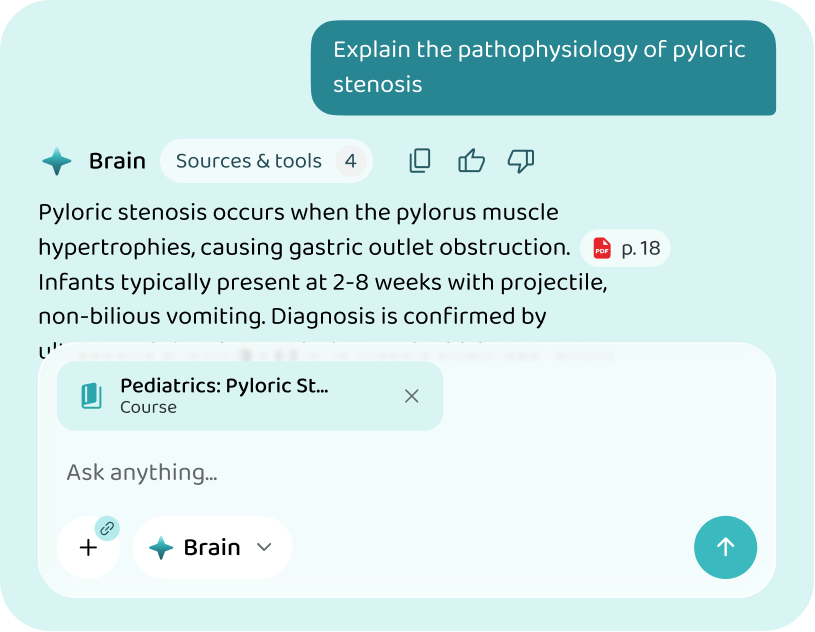
When an answer does not make sense, ask. The AI tutor explains it from her material and names the lesson it came from — no waiting until the next lecture.
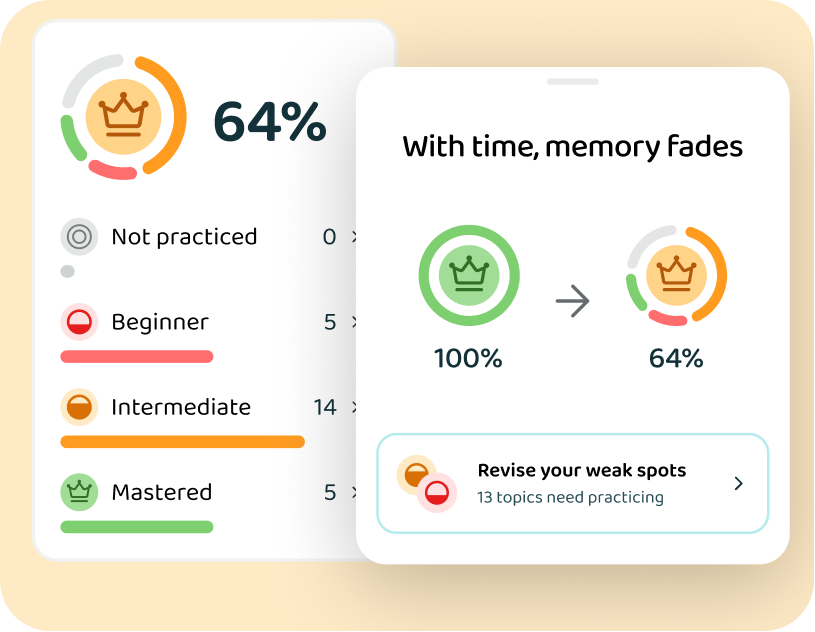
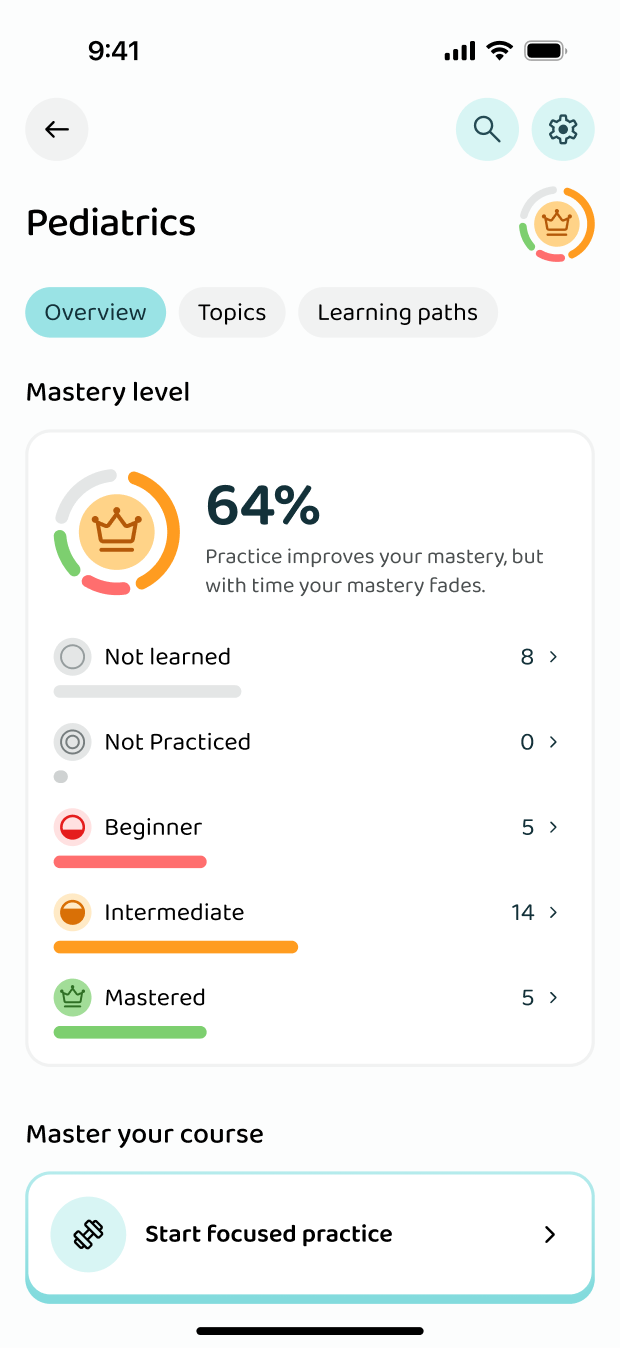
The course tracks what you know area by area, practices the ones you keep getting wrong, and answers your questions out of her own material.
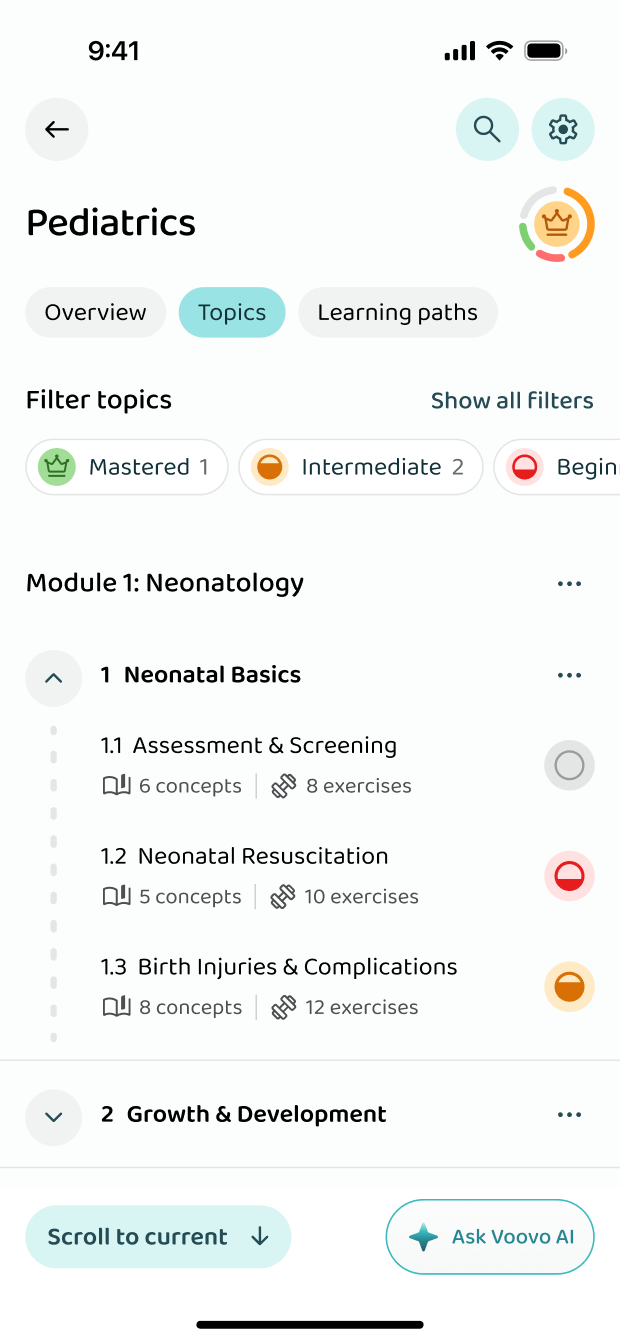
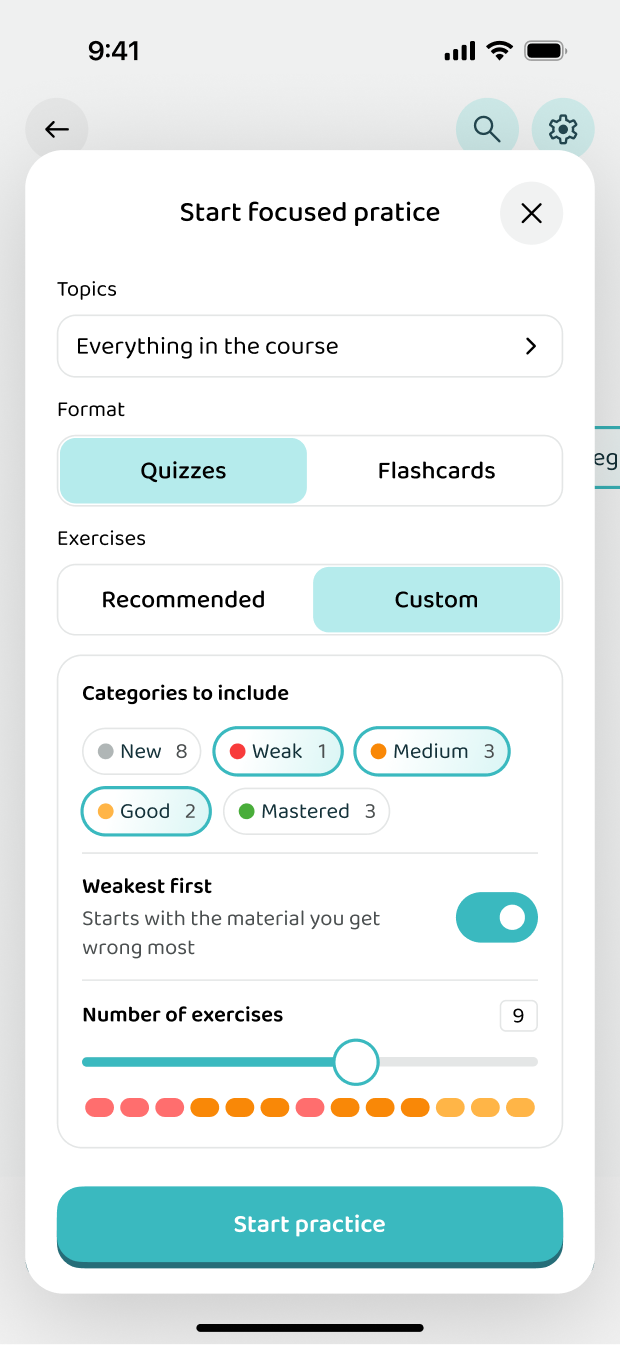
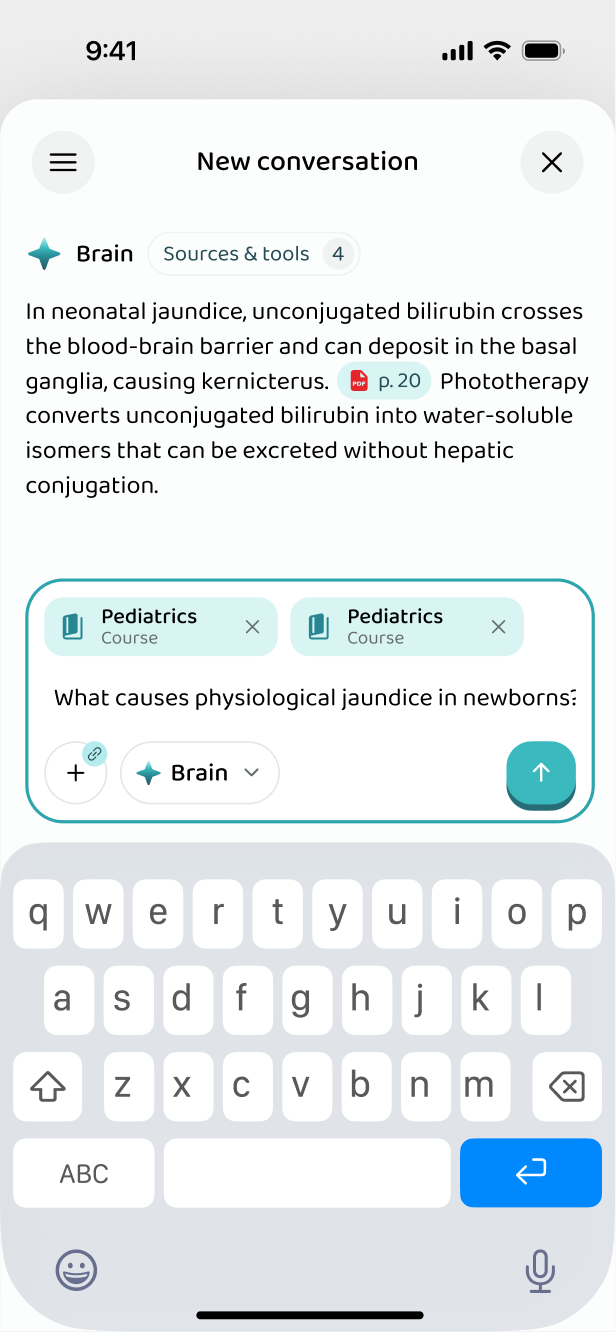
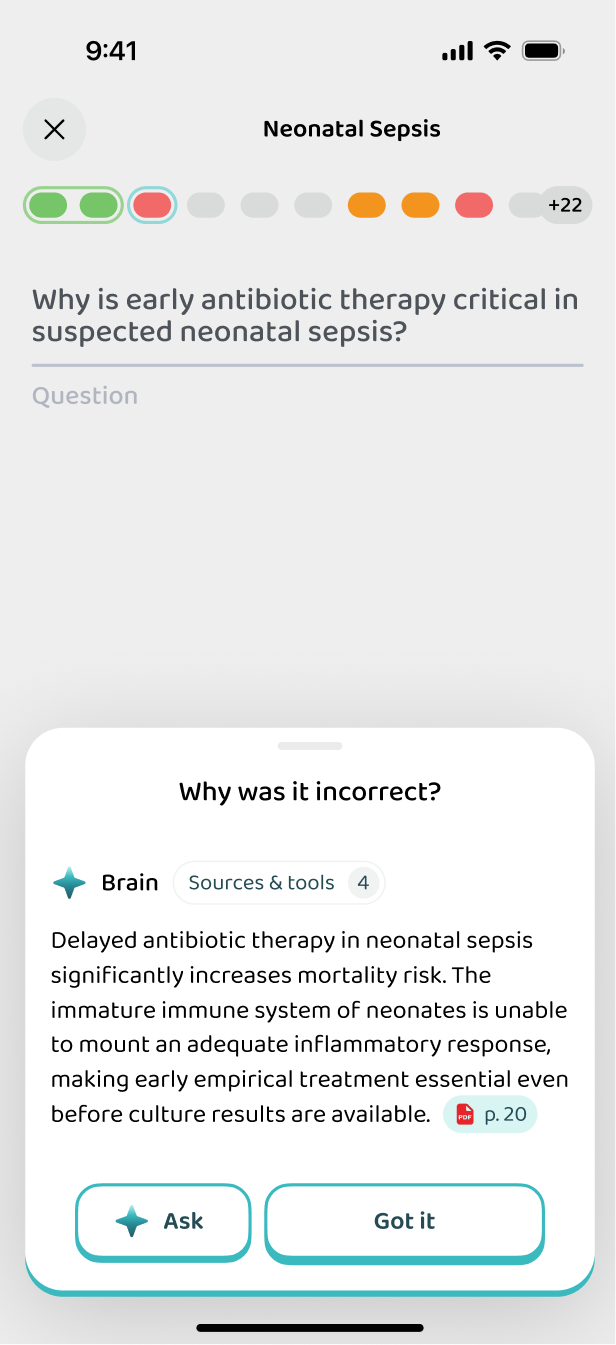
Questions with one best answer, exercises including long answers, short answers, and multiple-choice questions the way the MBBS MCQ paper asks.
Get one wrong and it comes back days later, until it stops being the one you get wrong.
Mastery sits per area, so you know whether it is neonatology or the CNS block you need to focus on.
Every lesson is named the way the exam and the syllabus name it — find the ones your prof is going to ask about.
One course, monthly or yearly, each starting with a free week. Cancel any time.
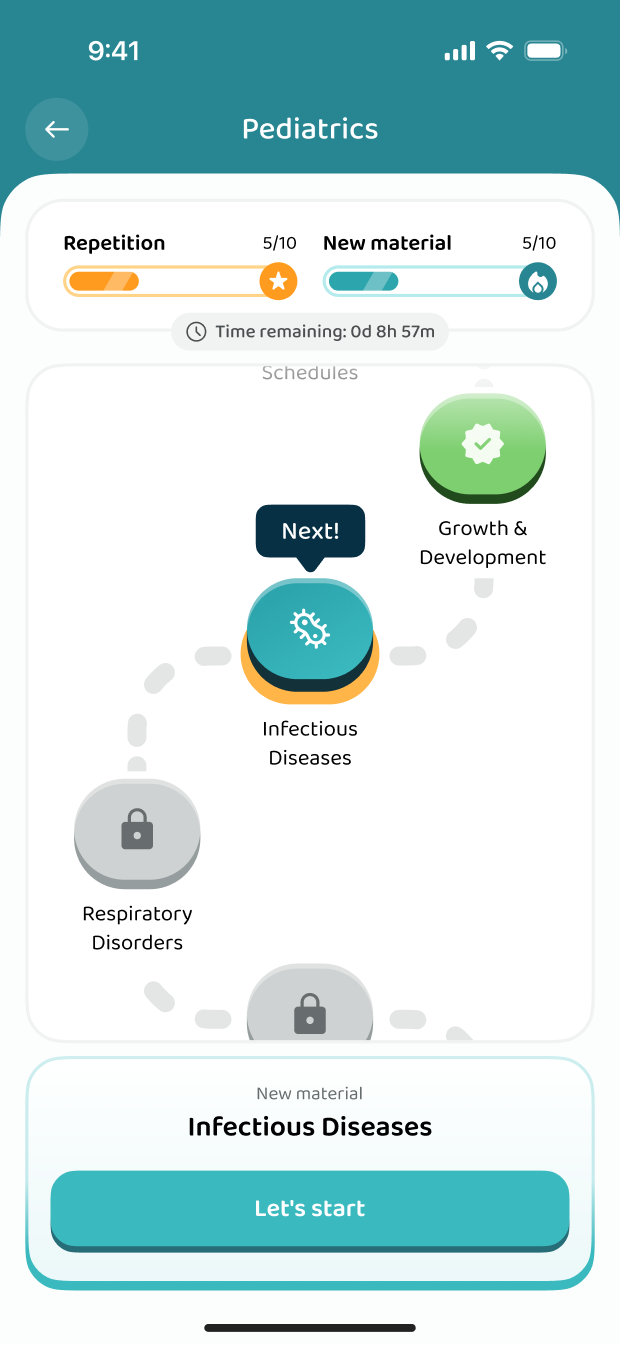
Paeds has to fit around every other subject in final year. Set the date of your paper and the areas are spread across the days you actually have left.
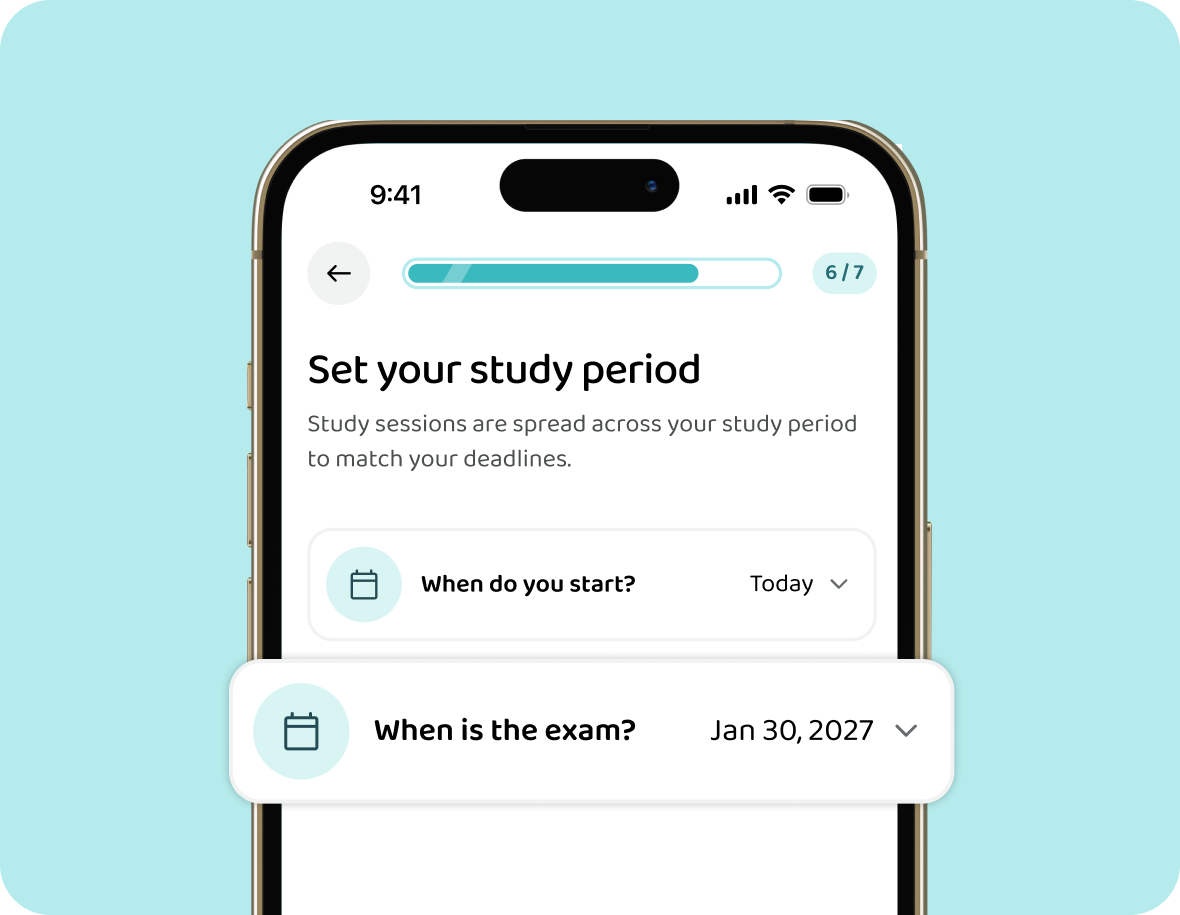
Your study sessions and material are spread across the days until your exam date.
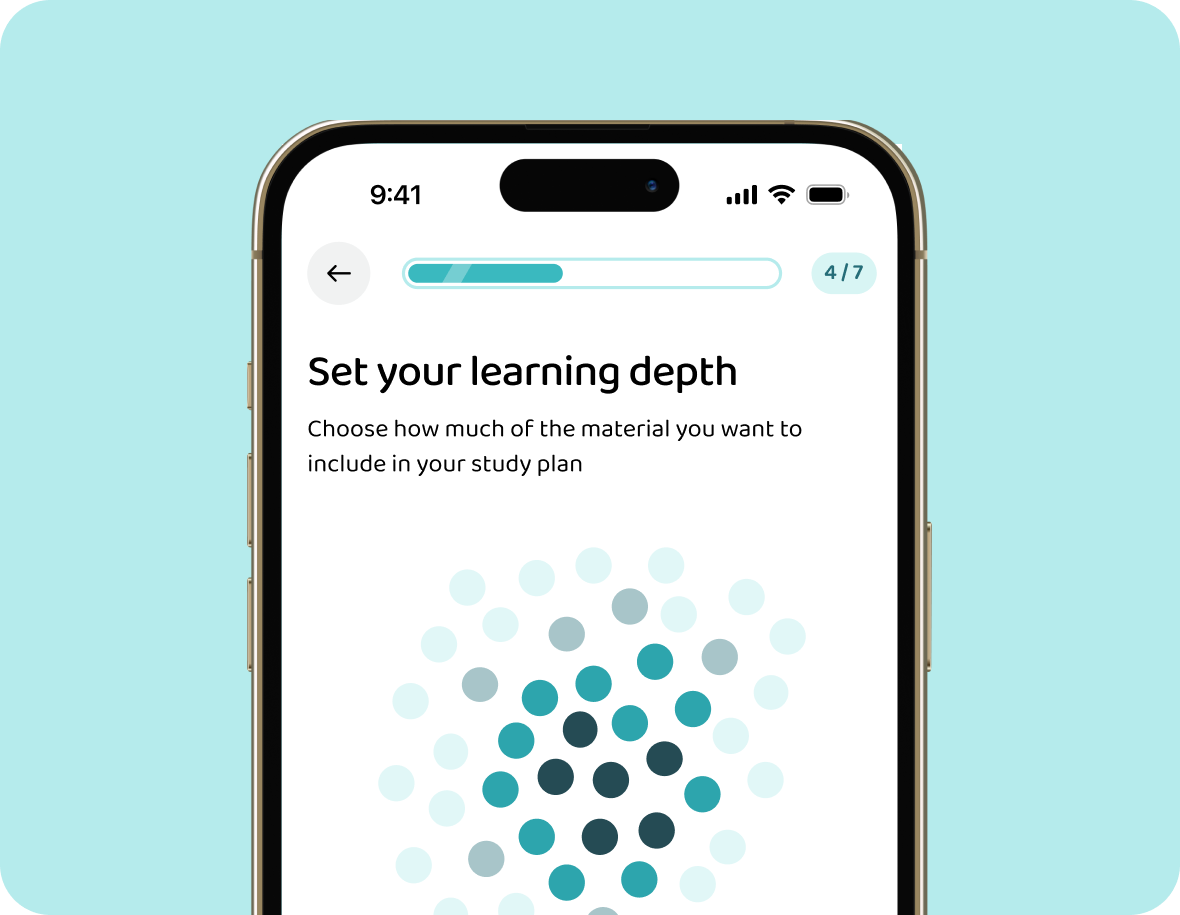
How much of the material to include — the essentials or every detail — and how often you want to practice.
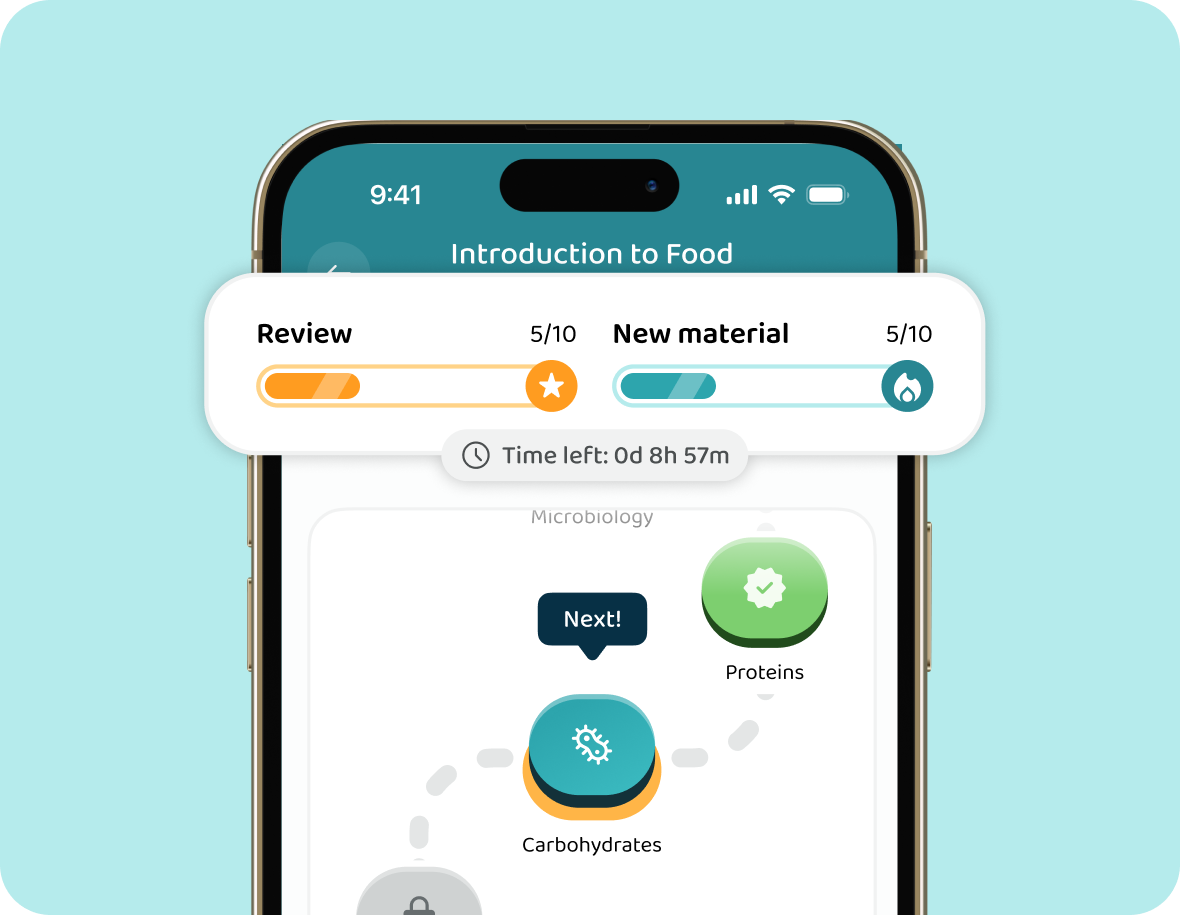
From here you just follow it: new material and review, day by day. You never have to wonder what to study next.
A vignette with one best answer, a stem with several, a blank to fill, a sequence to order, a pair to match. The gap you had not noticed shows up here rather than in the exam hall.
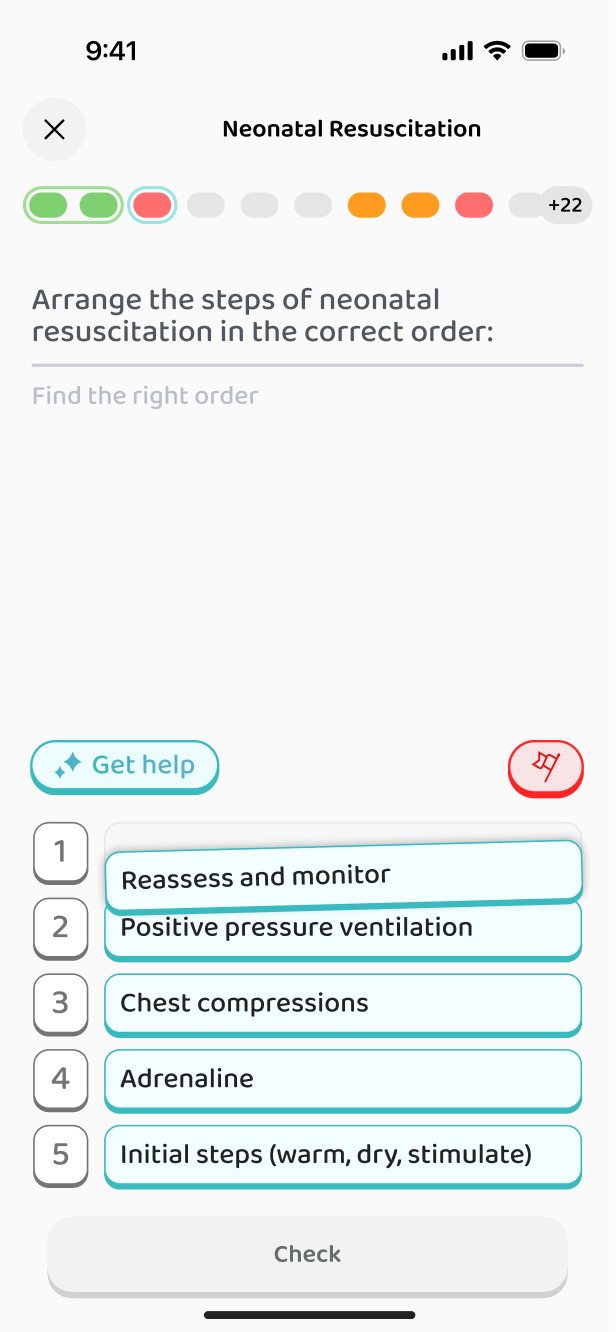
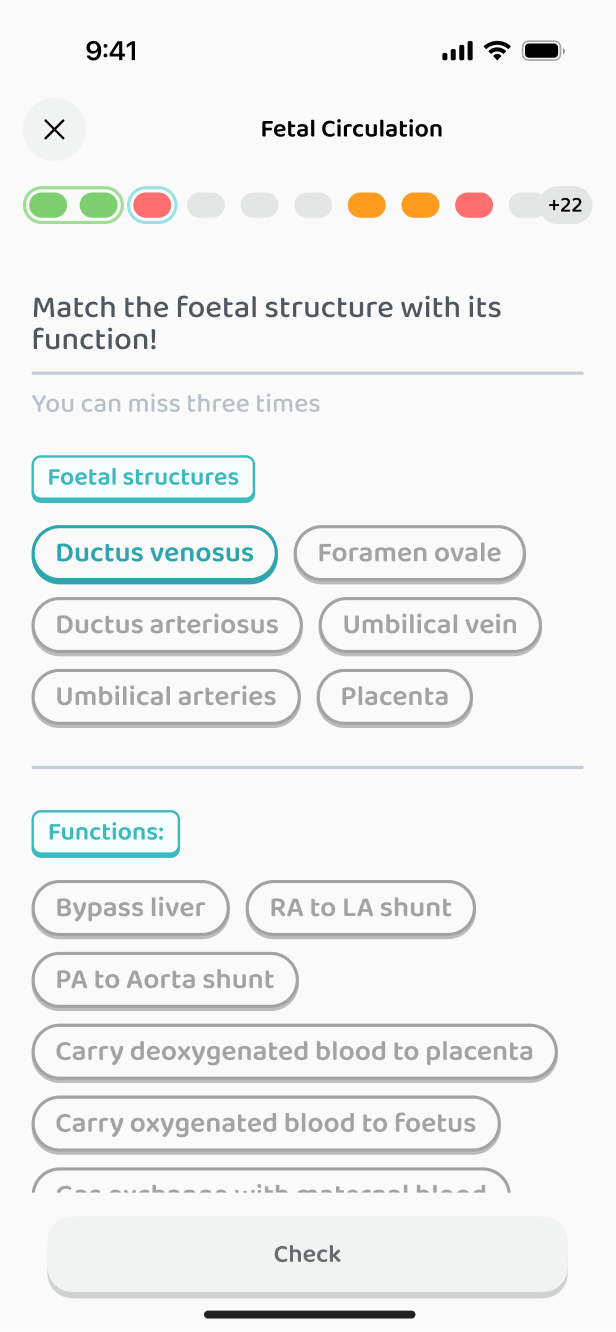
I started the channel in 2017 because the textbook and the lecture were not meeting most of us halfway. Since then I have taught the MBBS subjects the way I wanted them taught to me — on paper, worked through, in the language the concept actually lands in.
Paediatrics is where I see students lose marks they had already earned. They understood it in third year and could not produce it in the viva. So this course is not more explanation. It is the asking back — the part you cannot do alone with a playlist on YouTube.
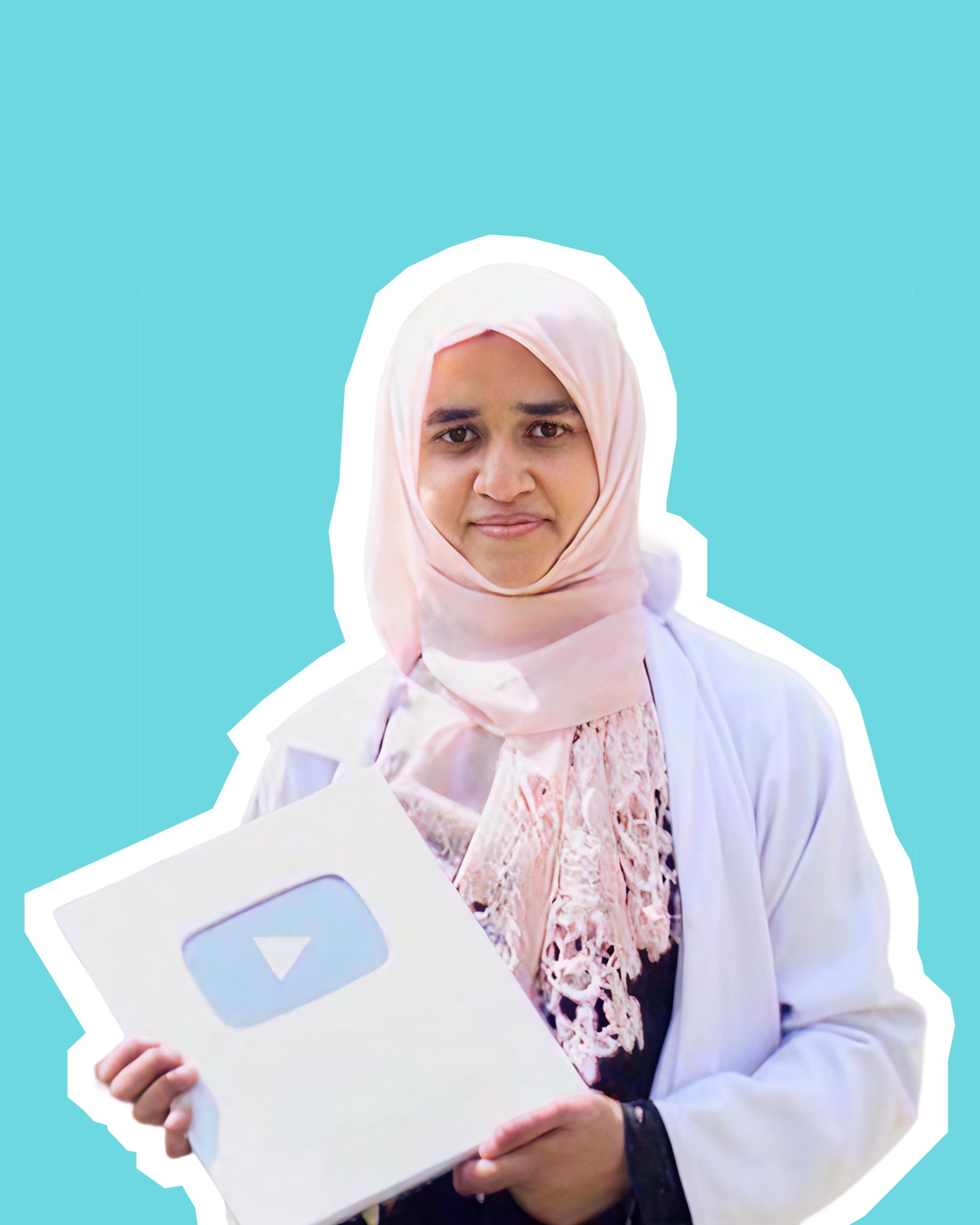
No. The channel teaches you the topic; this course asks you about it. The lessons follow her paediatrics teaching, and then 1,416 questions test whether it actually stuck — with the reasoning behind every answer. The videos stay free on YouTube either way.
Seven areas: foundations and history taking, neonatology, cardiovascular, respiratory, infectious diseases, GIT and CNS. Neonatology is the deepest — twelve lessons from resuscitation through jaundice and the infant of a diabetic mother.
The questions and explanations are in English, because your paper and your viva are in English. Her free lectures stay in Urdu and Hindi — that is where the concept lands. The two work together: understand it in her language, answer it in the exam's.
Partly, and honestly: it is not a mock viva. What it does is make you produce the answer rather than recognise it, and it asks for mechanisms — why squatting relieves a tet spell, why respiratory acidosis follows severe bronchiolitis. That is the shape of what an examiner asks.
Yes. It is monthly, cancel any time, and both plans open with a free week if you want to try it before you commit. The price is on the course card above.
Set your prof date and the seven areas spread across the days you have left — a few questions between classes, and paeds is the subject you are not worried about.
