01Material
Go through a module
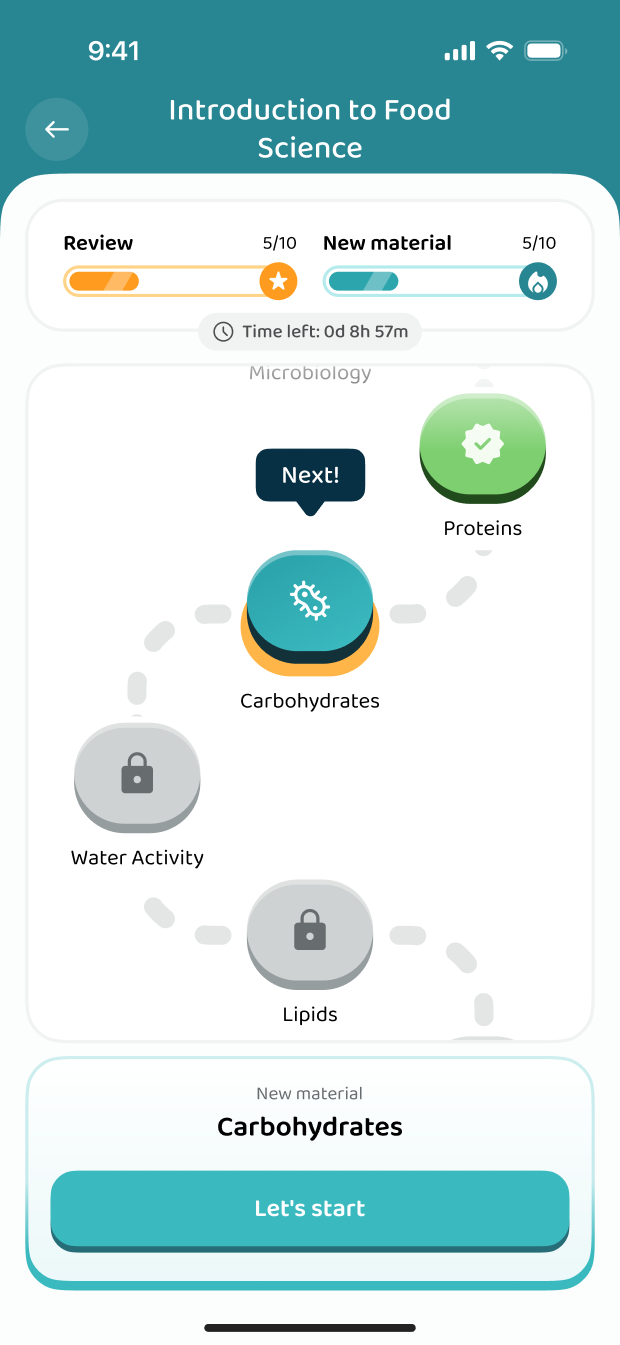
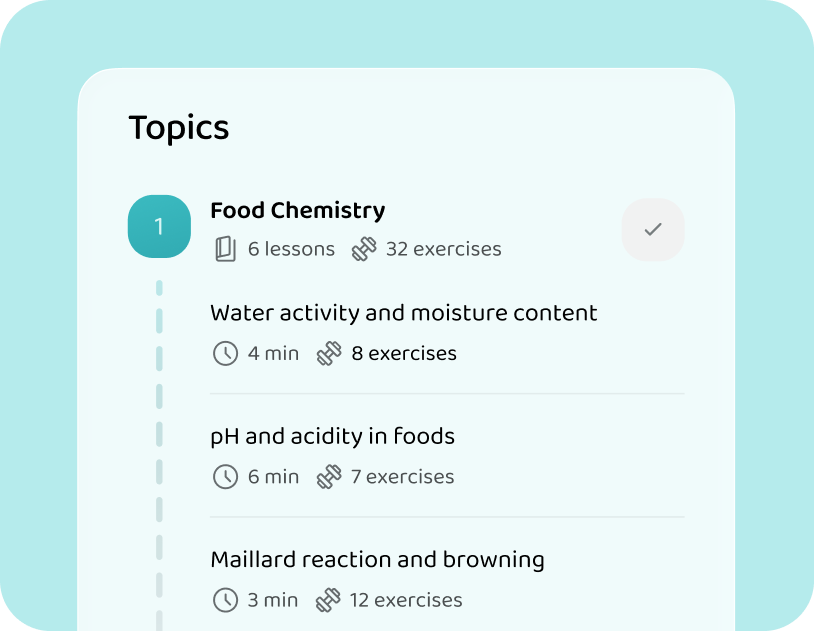
Open a deck — Water Activity of Foods, say — and go through the material as short lessons in Abbey's delivery. Everything is in one place.
- 36 decks
- Her order
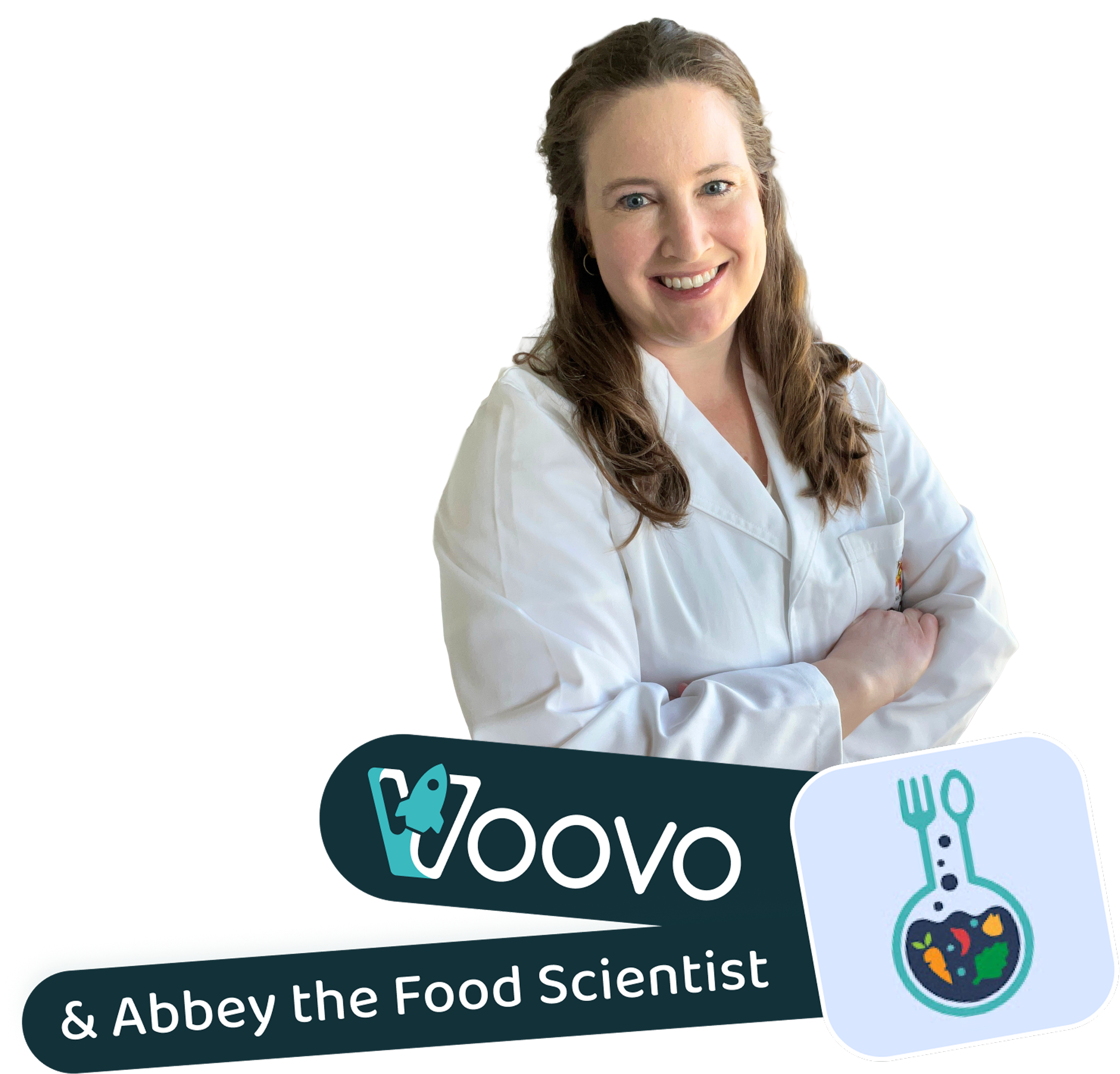
 Abbey & VoovoOfficial courseAbbey the Food Scientist × Voovo
Interactive exam prep for the Intro to Food Science course. Learn through questions, exercises and adaptive practice.
Three things students in Intro to Food Science courses like FSTC 201, NFSC 112 and FDSC 200 say.
For a food science major, every later course assumes you know this one.
Rereading feels like studying until the exam asks the small details.
Most of the semester goes fine, then the final pulls from the whole course at once. That's where “I went from an A to a B” happens.
Not a deck someone made in 2019. The app tracks what you know per topic, drills your weak ones, and answers your questions from the material.
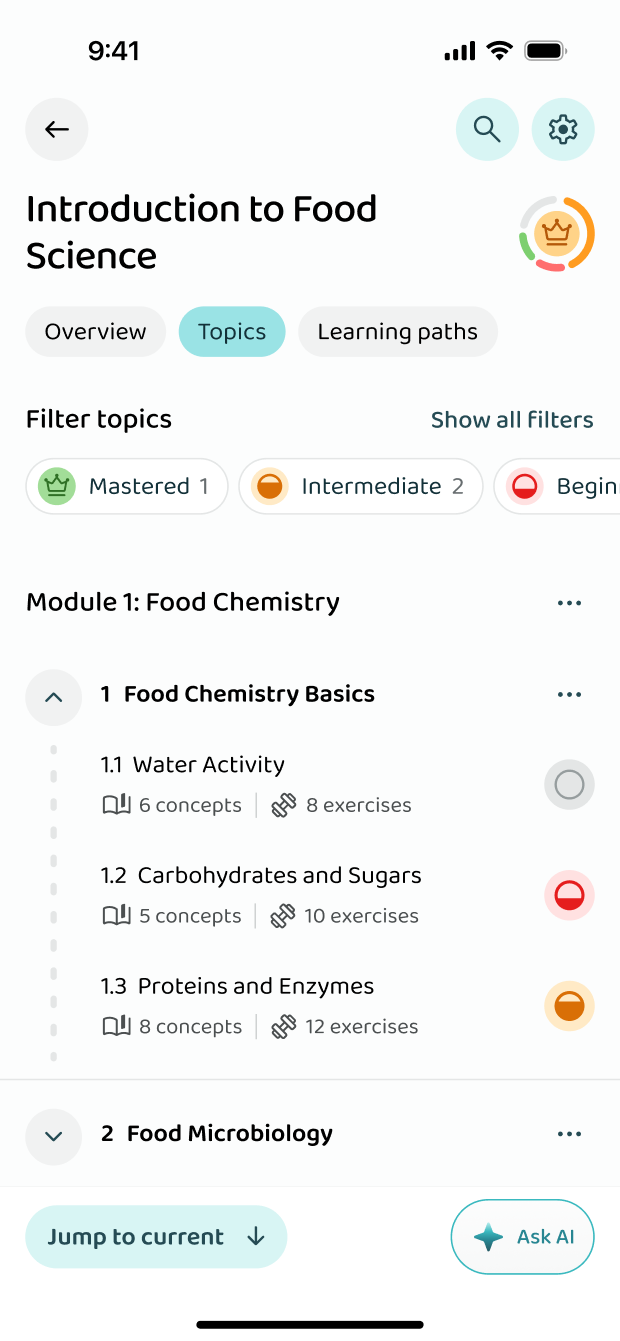
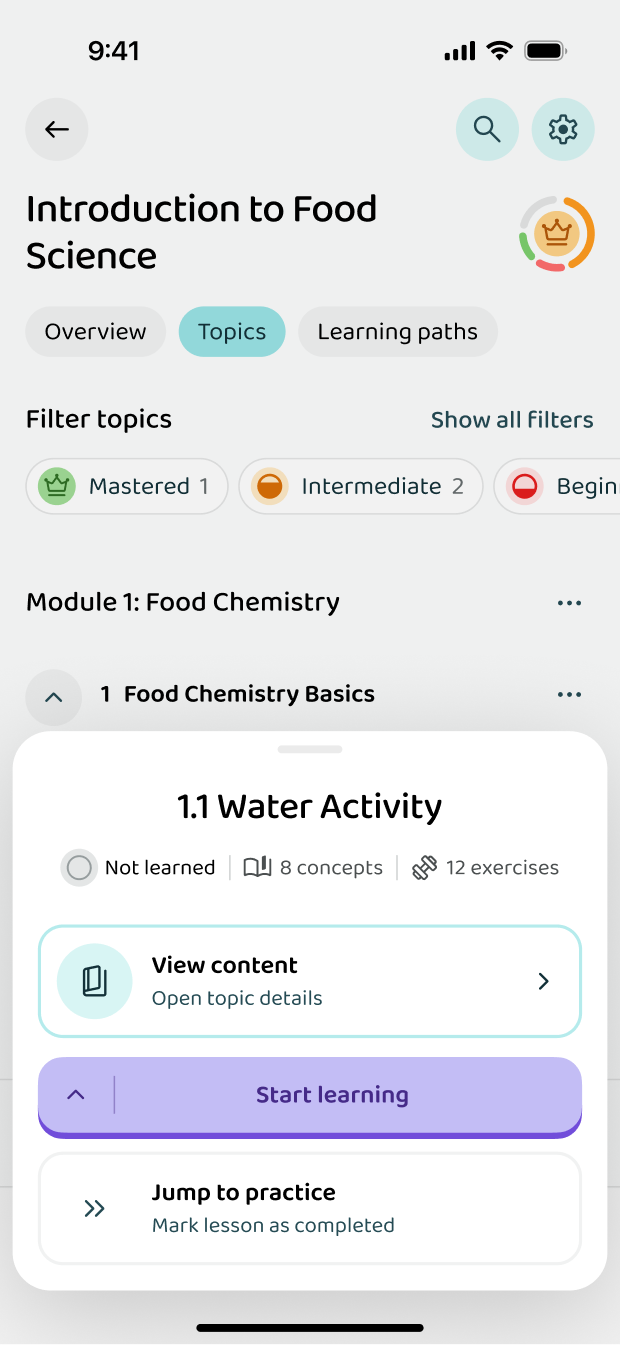
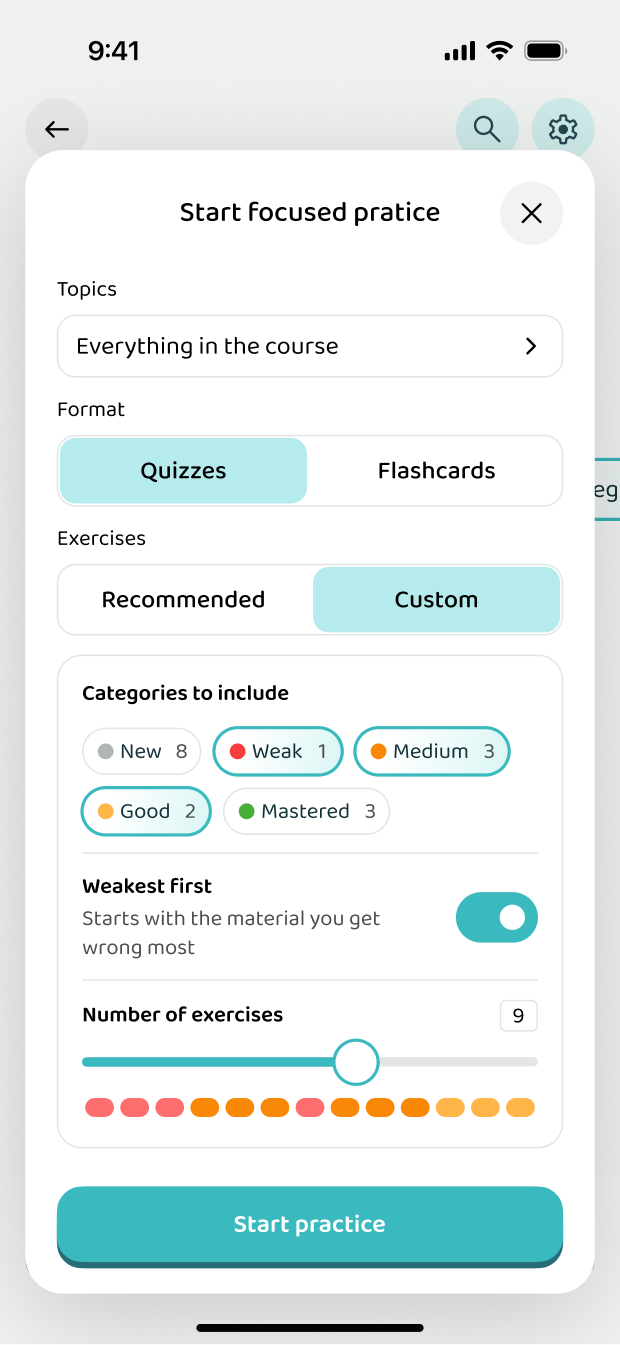
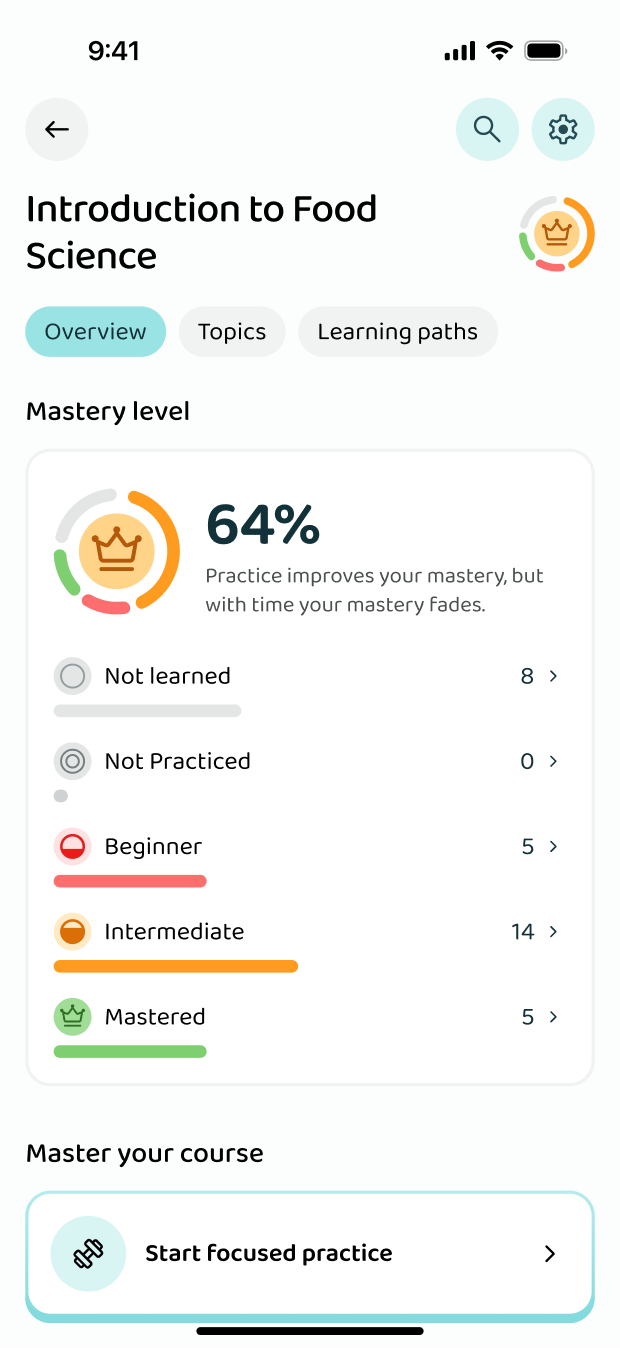
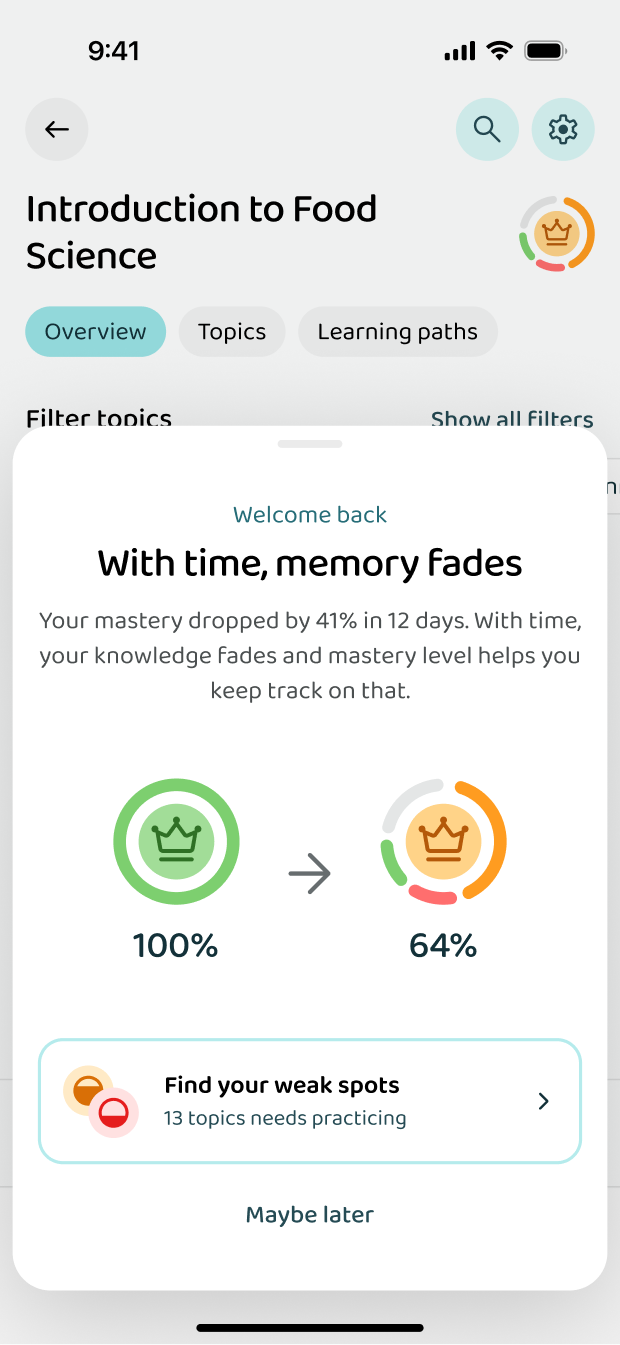
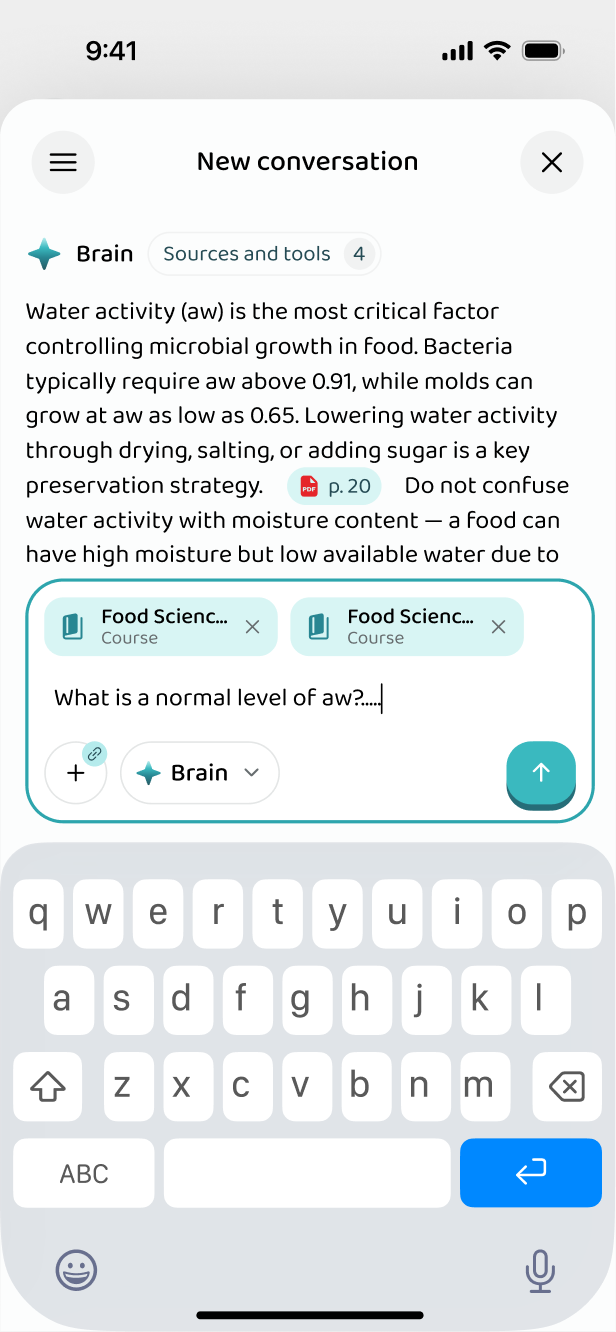
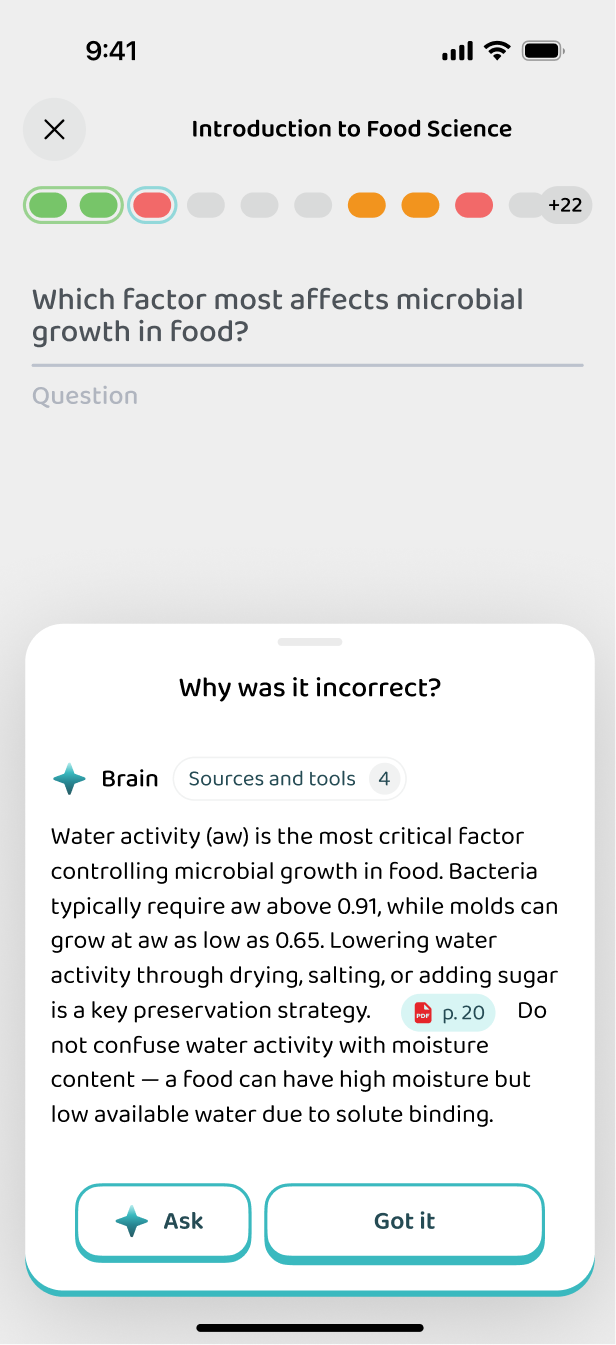
Molecules, water, carbohydrates, lipids, proteins — the food-chemistry block whole, in 271 exercises.
271 exercises. You can learn much better through answering than reading.
Wrong answers resurface a few days later, until you master them.
Open a deck — Water Activity of Foods, say — and go through the material as short lessons in Abbey's delivery. Everything is in one place.
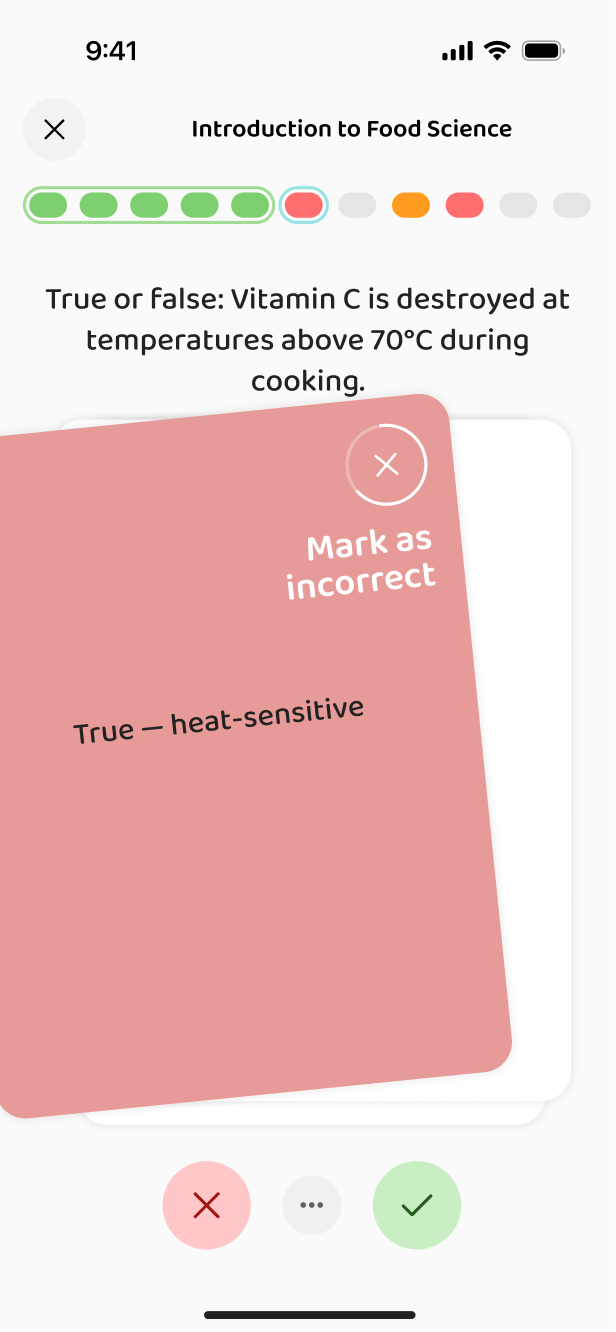
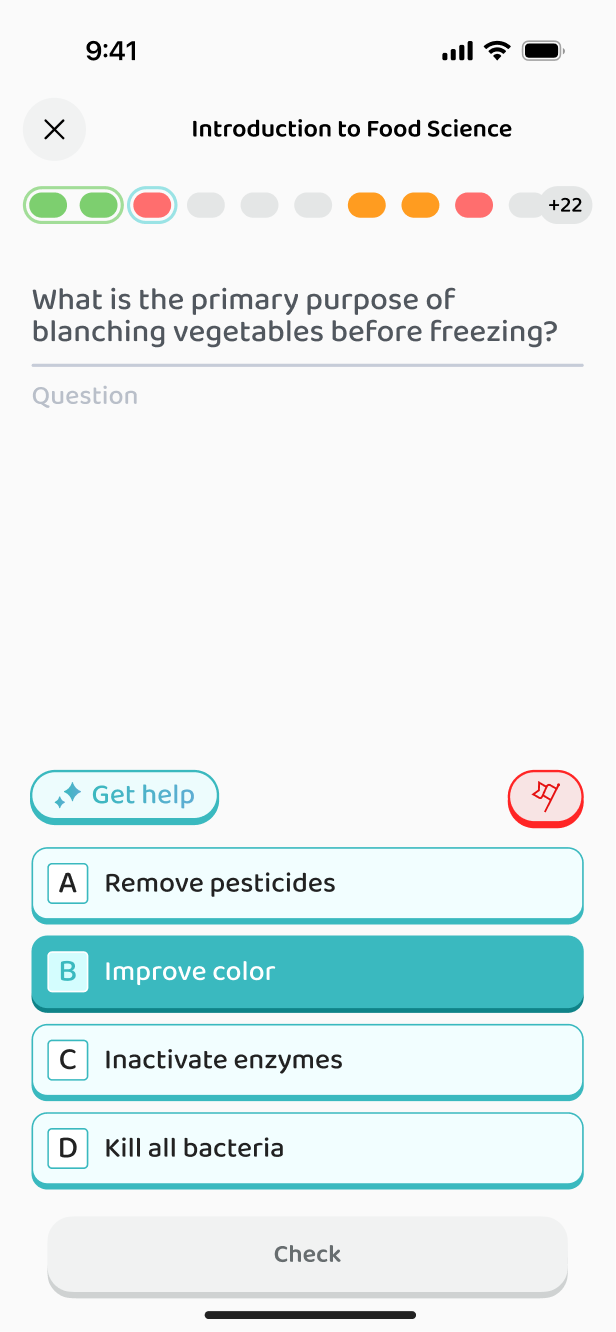
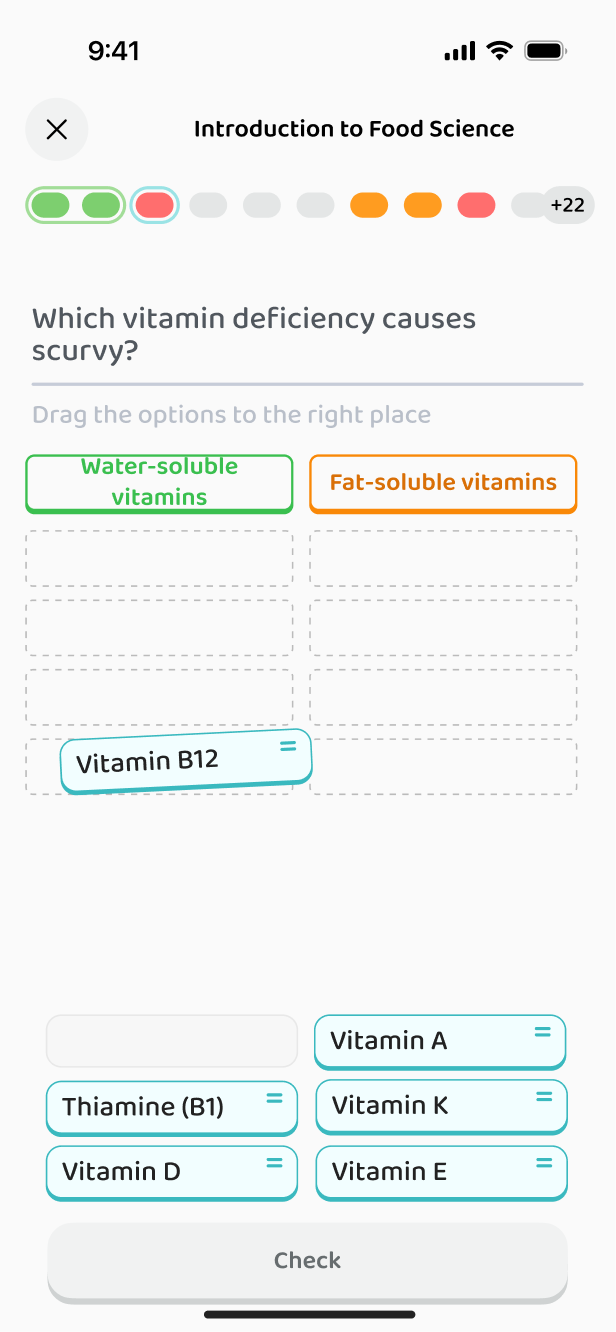
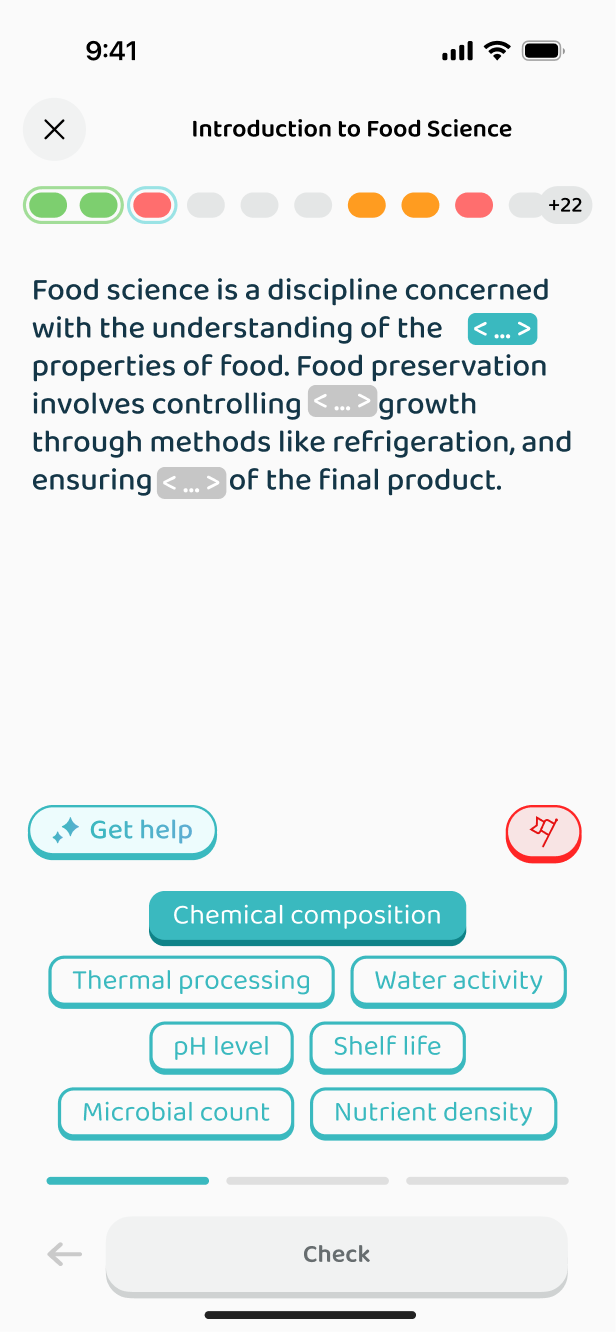
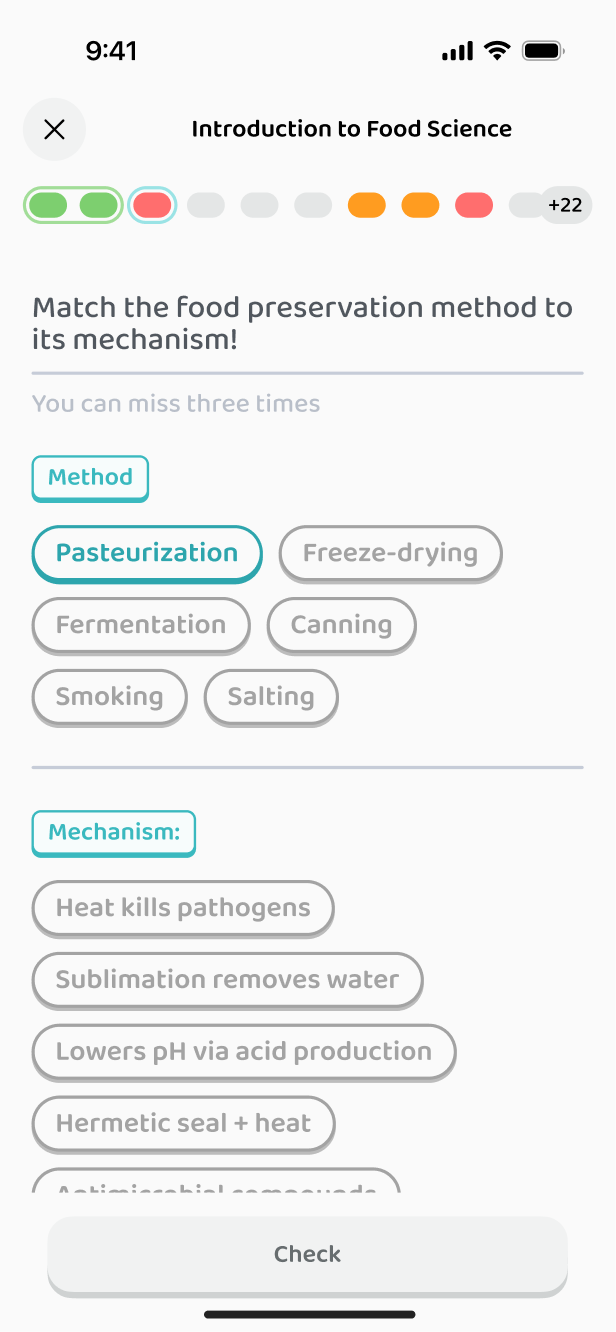
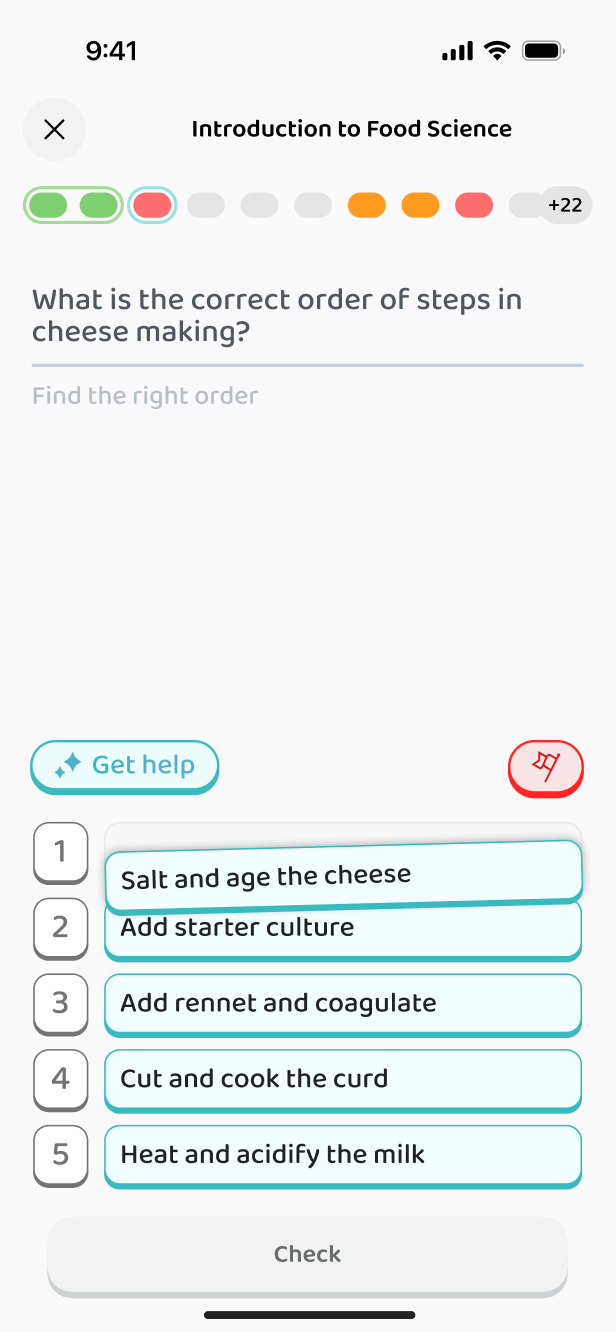
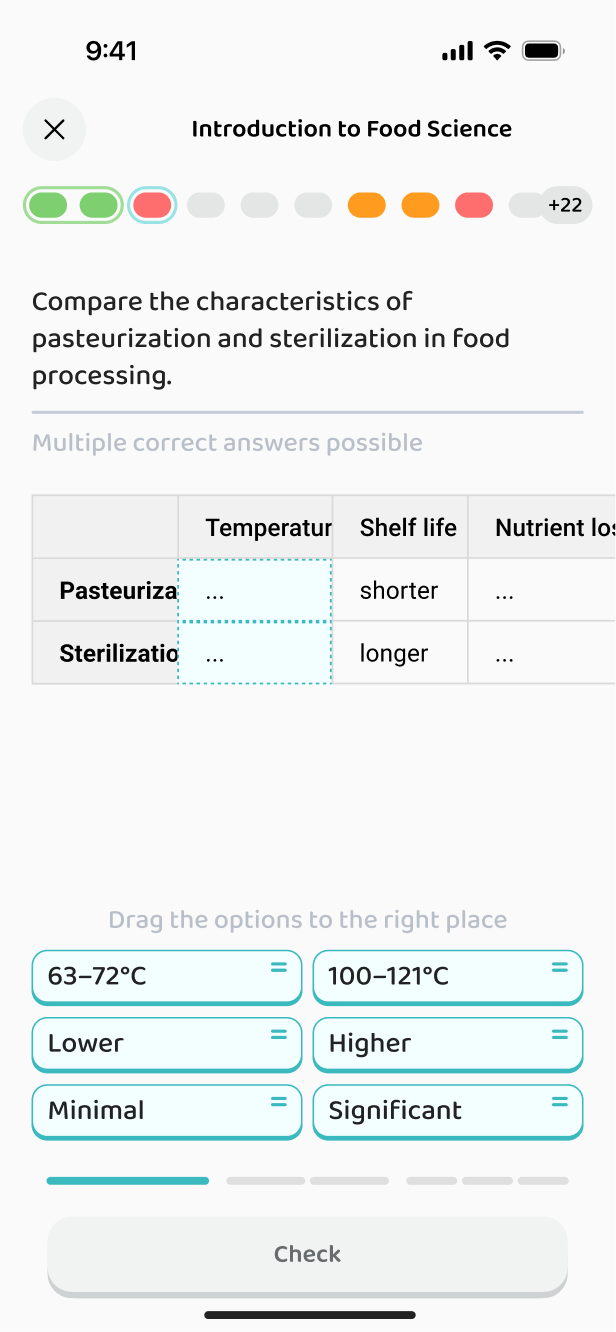
Flashcards, multiple choice, ordering, categorising, pairing: 271 questions that ask for the reason and the number, not just the term. You find out what you actually know before the exam does.
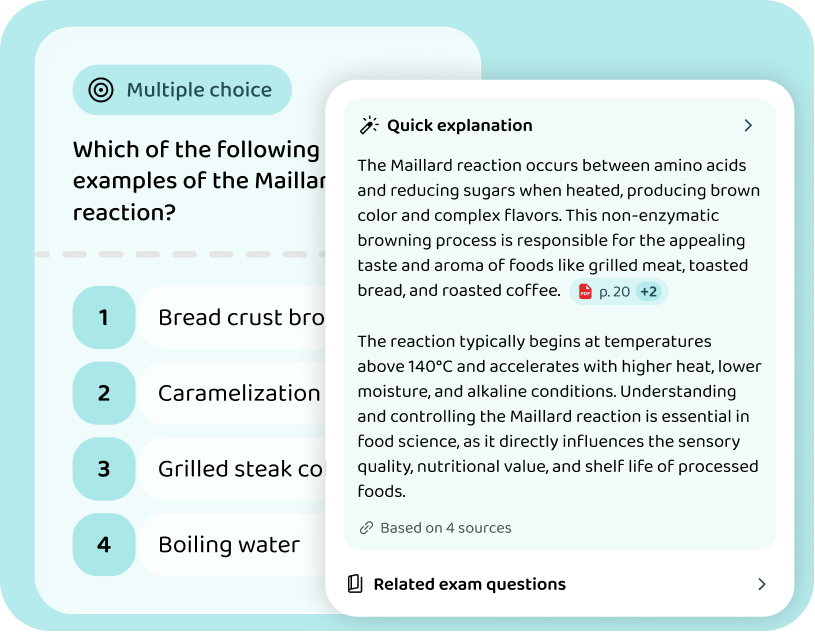
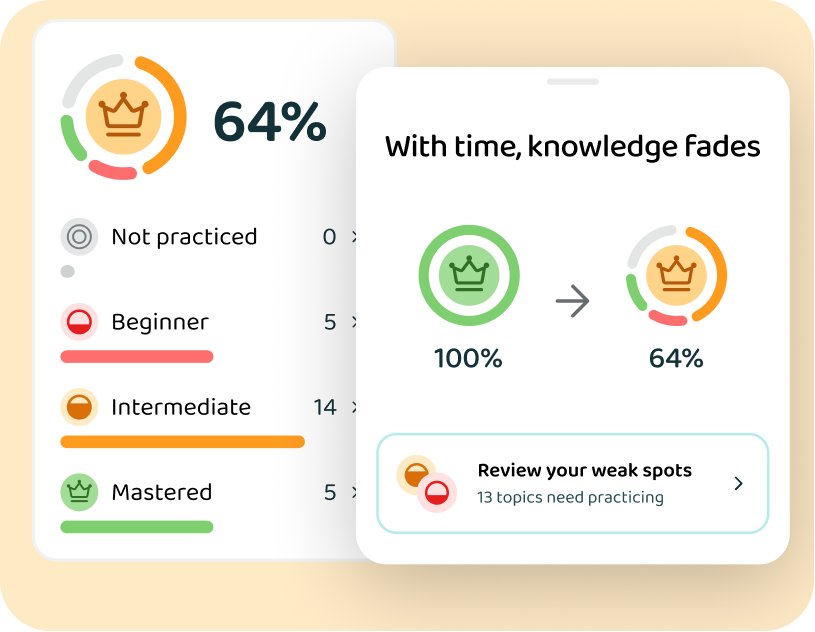
What you got wrong comes back in a few days; what you know shows up less and less. You see your level per topic, so the final is a check, not a relearn.
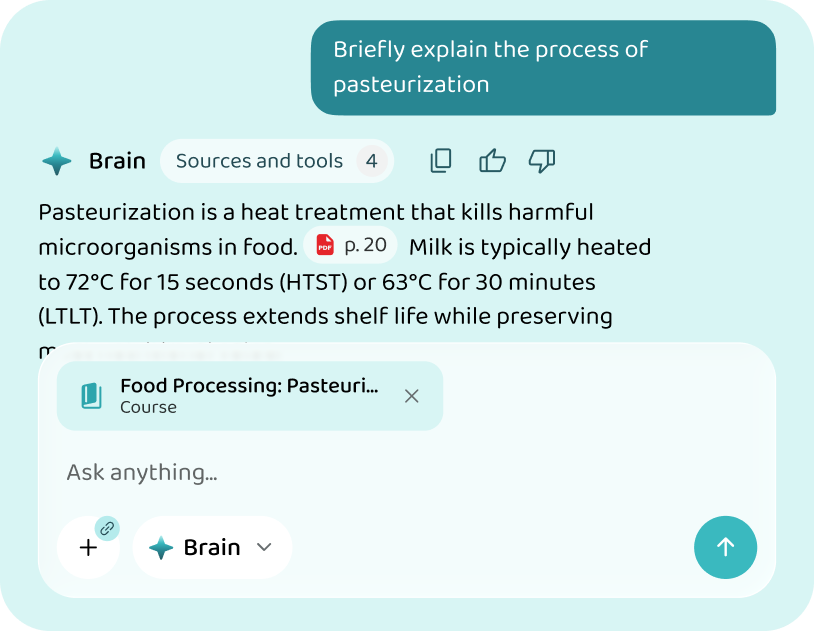
When an answer doesn't make sense, ask. The AI tutor answers from Abbey's material and tells you which deck it's in — no waiting for office hours.
Every deck is named the way your syllabus names the topic — find the ones on your next exam.
One course, monthly or yearly, with a free week on the yearly plan. Cancel any time.
First exams land typically around weeks 4–6, finals usually in the second week of December. Pick your date and the decks are spread across the days you have.
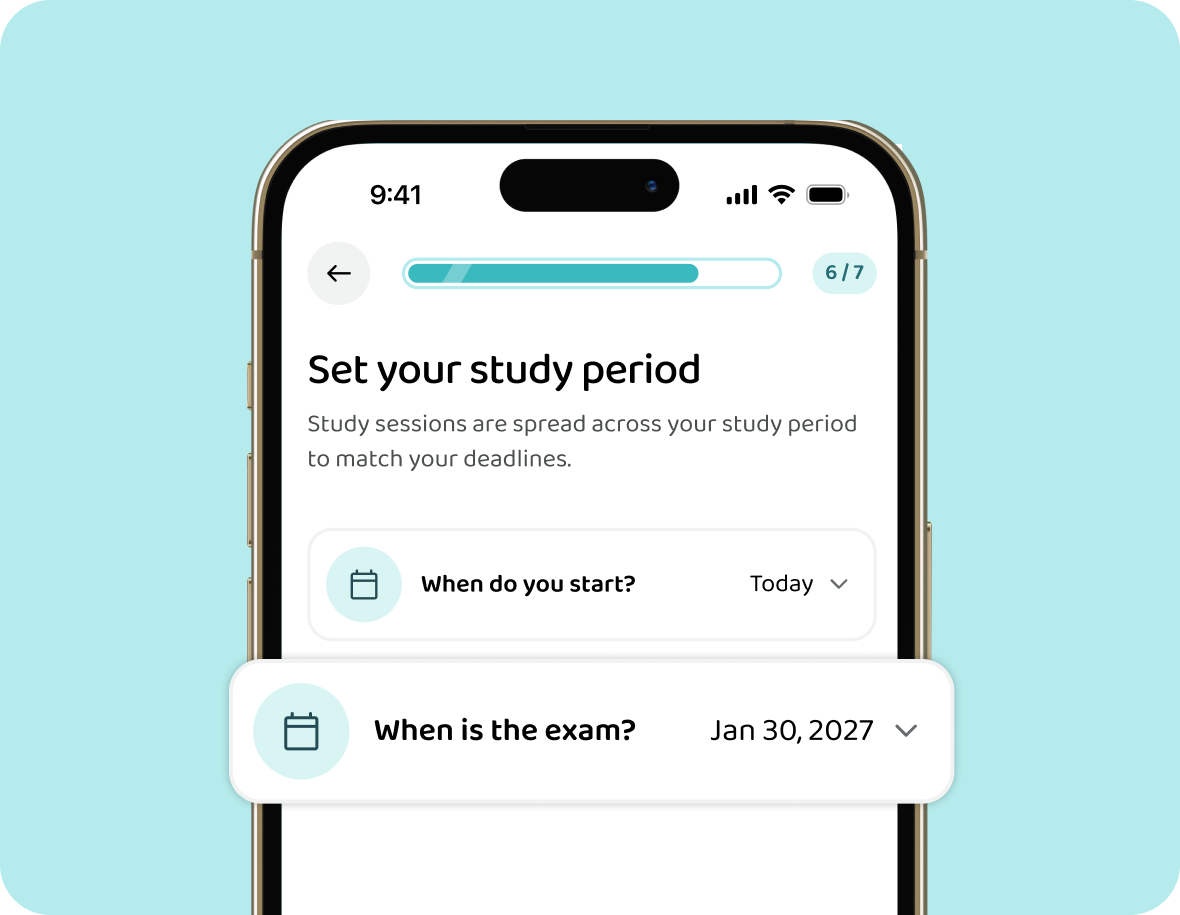
Your study sessions and material are spread across the days until your exam date.
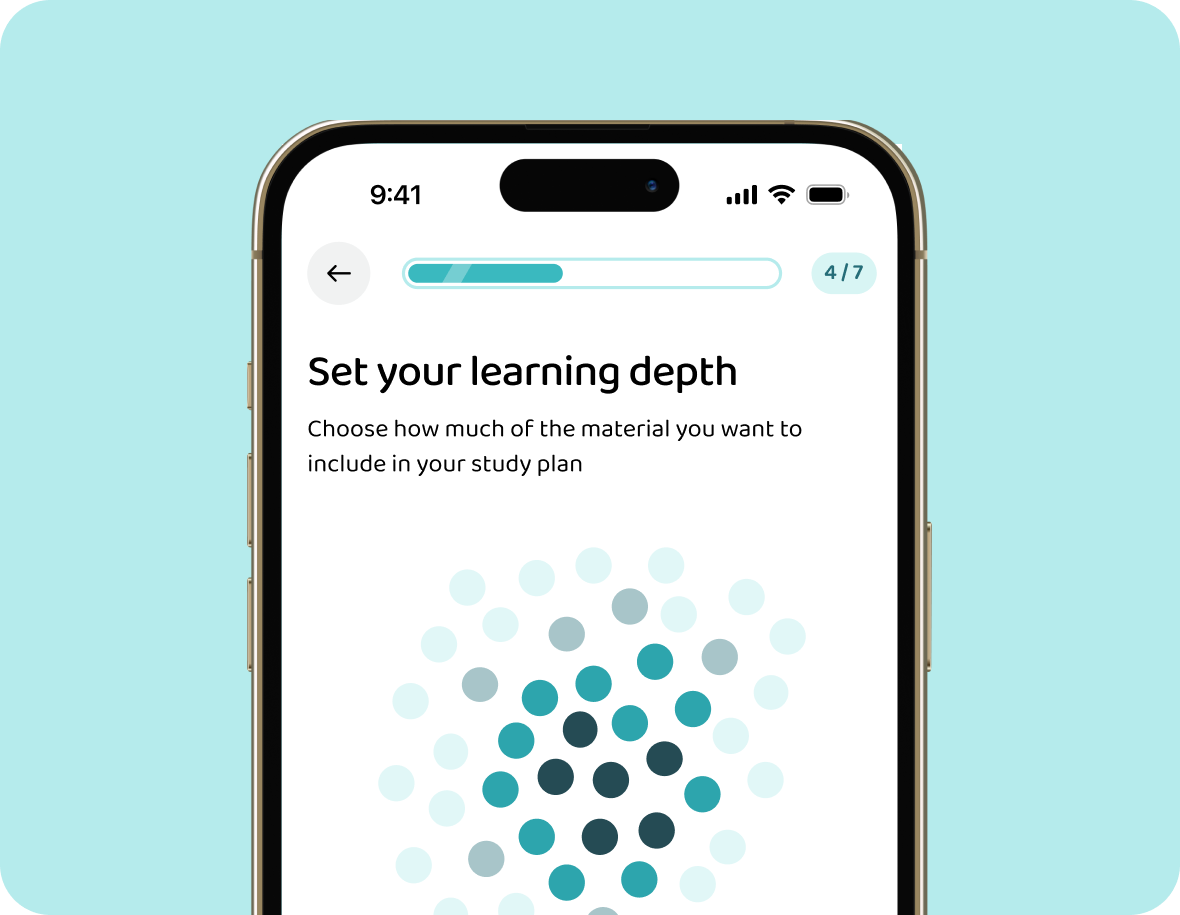
How much of the material to include — the essentials or every detail — and how often you want to practice.
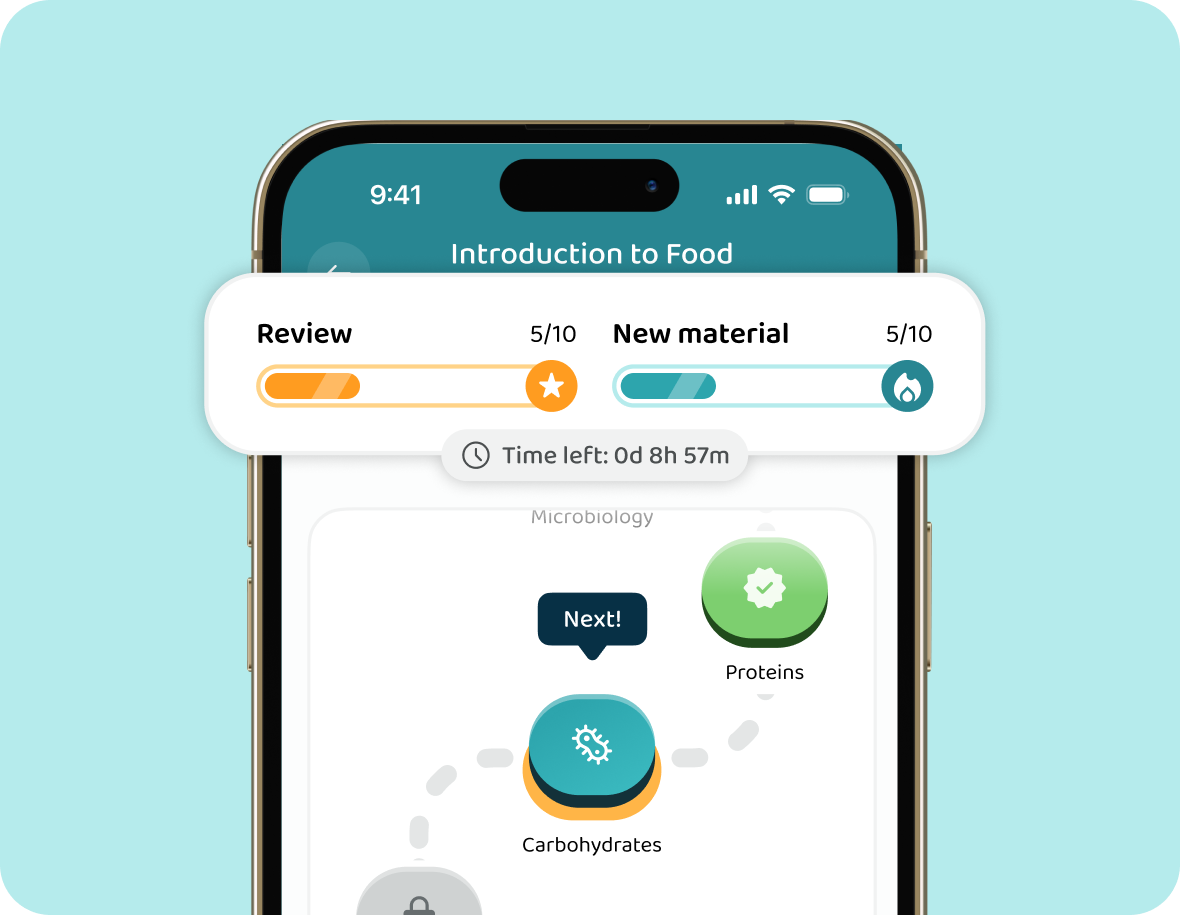
From here you just follow it: new material and review, day by day. You never have to wonder what to study next.
Flashcards, multiple choice, categorising, short answer, pairing, ordering matching and more! The knowledge gap you didn't notice shows up before the exam.
I found food science by accident as a freshman at UW–Madison, looking through every science major the university had — and I've been in it ever since. I spent six years of my PhD on the microstructure of ice cream: the emulsions, the fat, the air bubbles you can't see.
After that I taught food chemistry at UW–Madison and dairy chemistry at Wageningen. The chemistry block of the intro course is where I saw good students slow down — not because it's beyond them, but because reading a slide isn't the same as being asked about it.
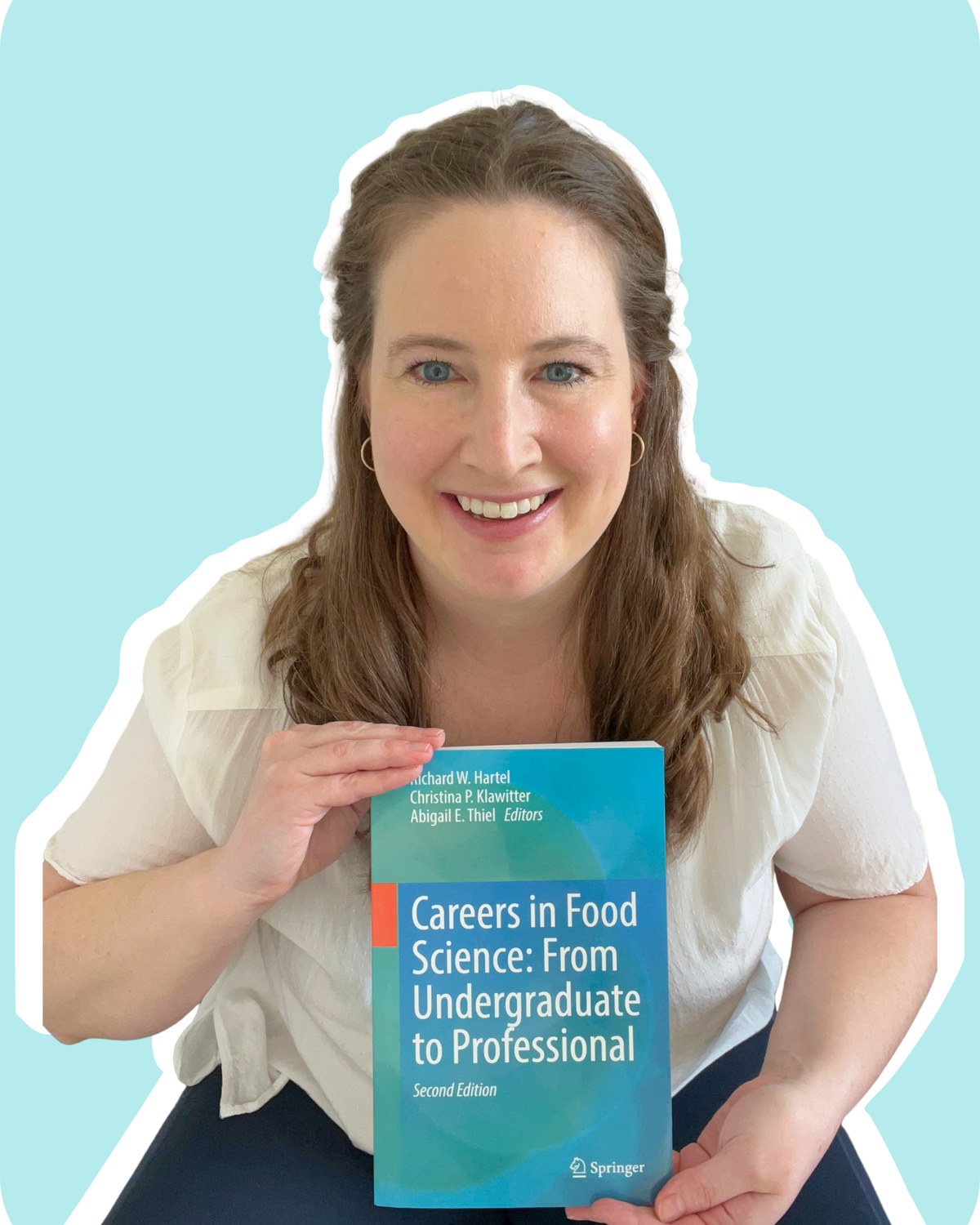


Abbey. The course is her five food-chemistry modules — the material she teaches — turned into decks and questions with Voovo. The AI only helps while you practise: it explains an answer from her material and points to the deck it's in.
The food-chemistry unit: molecules in food, water, carbohydrates, lipids and proteins — water activity, pH, Maillard browning, emulsions, denaturation, the isoelectric point. It's the block intro courses draw their hardest exam questions from, and the one every later food science course assumes you kept.
Neither have most people in the lecture hall. The decks start at ingredients vs. molecules and build from there; every answer comes with the reason, and you can ask for more whenever something doesn't click.
Rereading is passive: everything looks familiar until the exam asks. Here you answer, get marked, and the questions you miss come back until you don't miss them. And it's Abbey's material, built from her modules — not a deck someone made for a different professor years ago.
Yes. It's monthly, cancel any time. The yearly plan starts with a free week, so you can try it before your first exam. The price is on the course card above.
Start now and the app spreads Abbey's modules across the days until your date — a few minutes between lectures, and the block is done by exam week.
