

01Lessons
Every topic, explained first
11 topics and 73 lessons, built with someone who has taught A-level economics since 1999. Each one explains the idea before it asks you anything about it.
- 11 topics
- Micro and macro

 Economics Help & VoovoCambridge A Level EconomicsEconomics Help × Voovo
The whole Cambridge A Level course as questions and explanations and targeted practice. Topics 1 to 11.
The site is free, and it stays free. This course is what comes after reading it. Focused exam preparation for the Cambridge A-levels.
Every Cambridge student does them, and you should too. They show you what gets asked and how it gets asked, but they can't teach you the part you got wrong.
That's what the site is for. Twenty years of writing economics up clearly, topic by topic, and it doesn't cost anything.
Reading something once isn't the same as knowing it. The course asks you about it until you can answer without stopping to think.
11 topics and 73 lessons covering the micro and macro content Cambridge examines, from scarcity and choice through to exchange rates.
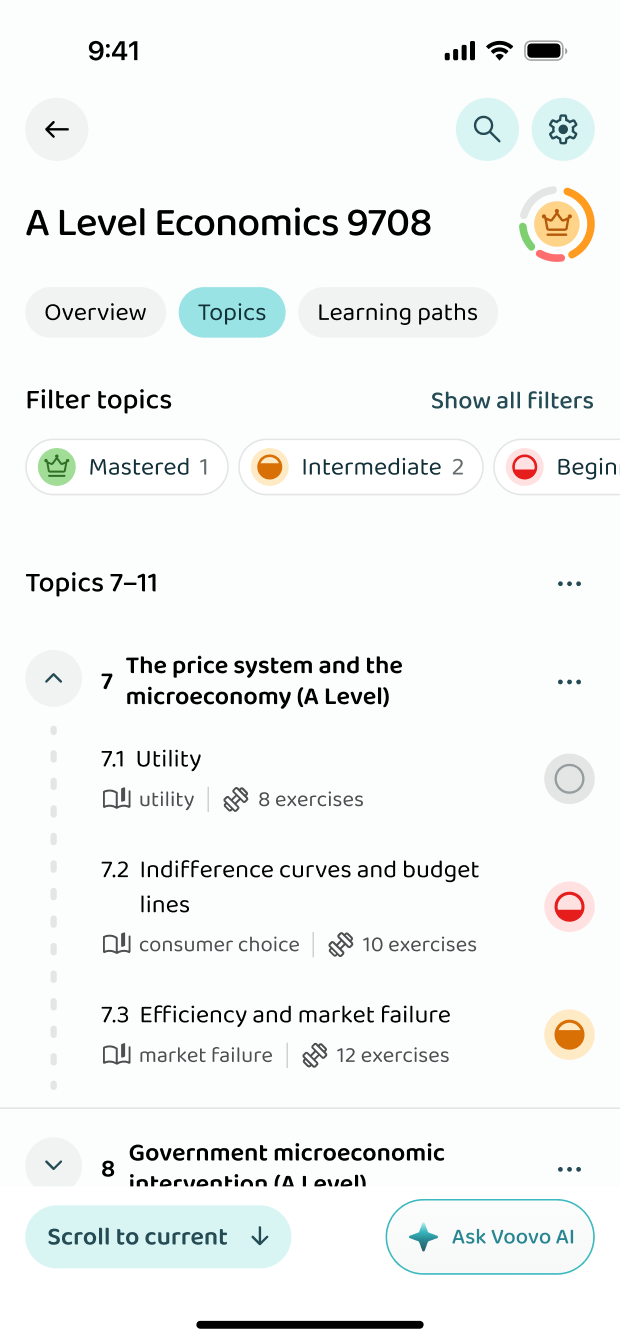
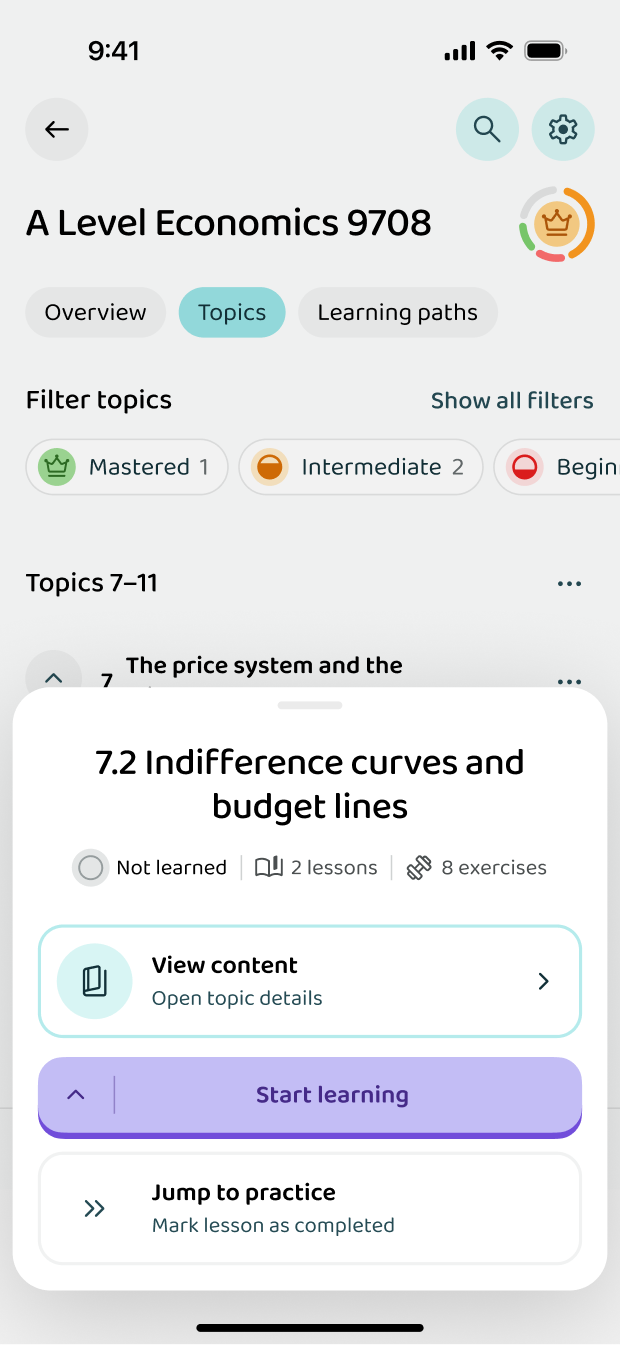
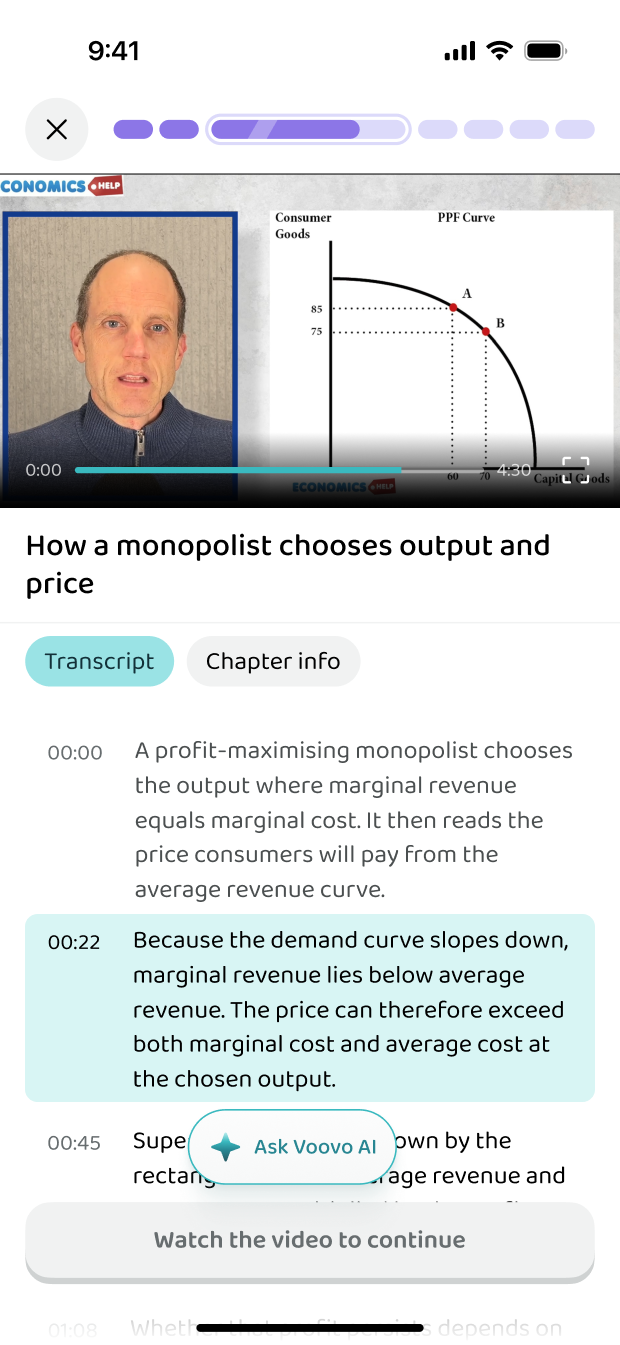
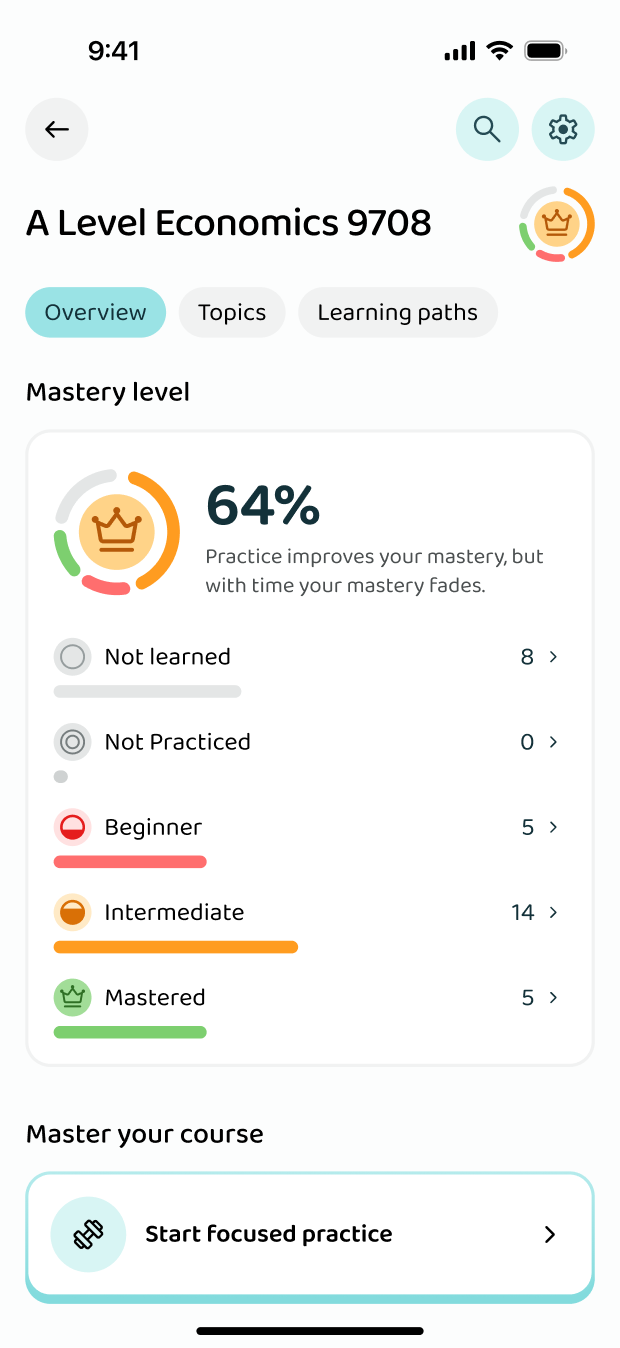
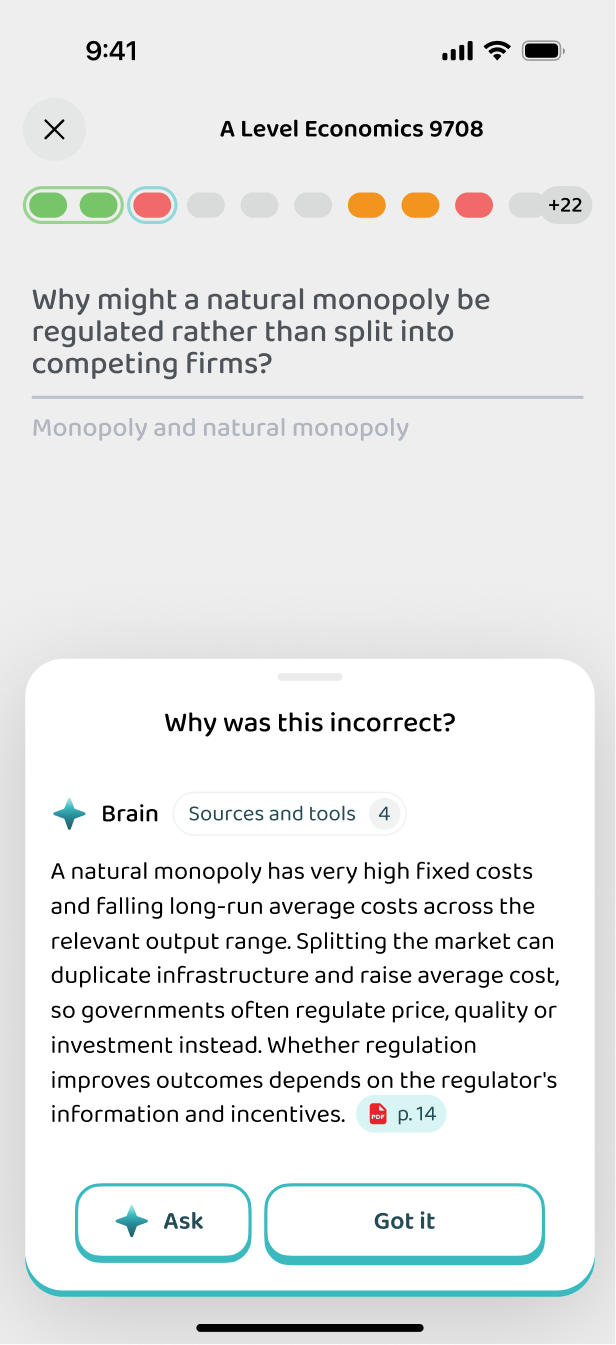
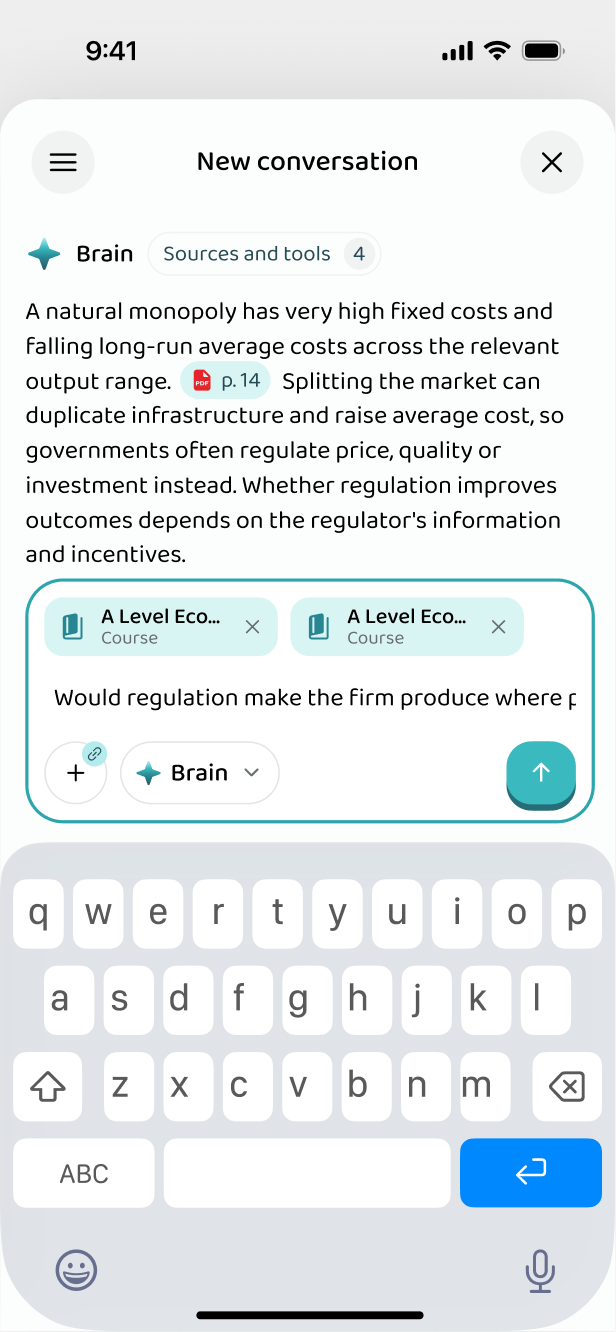
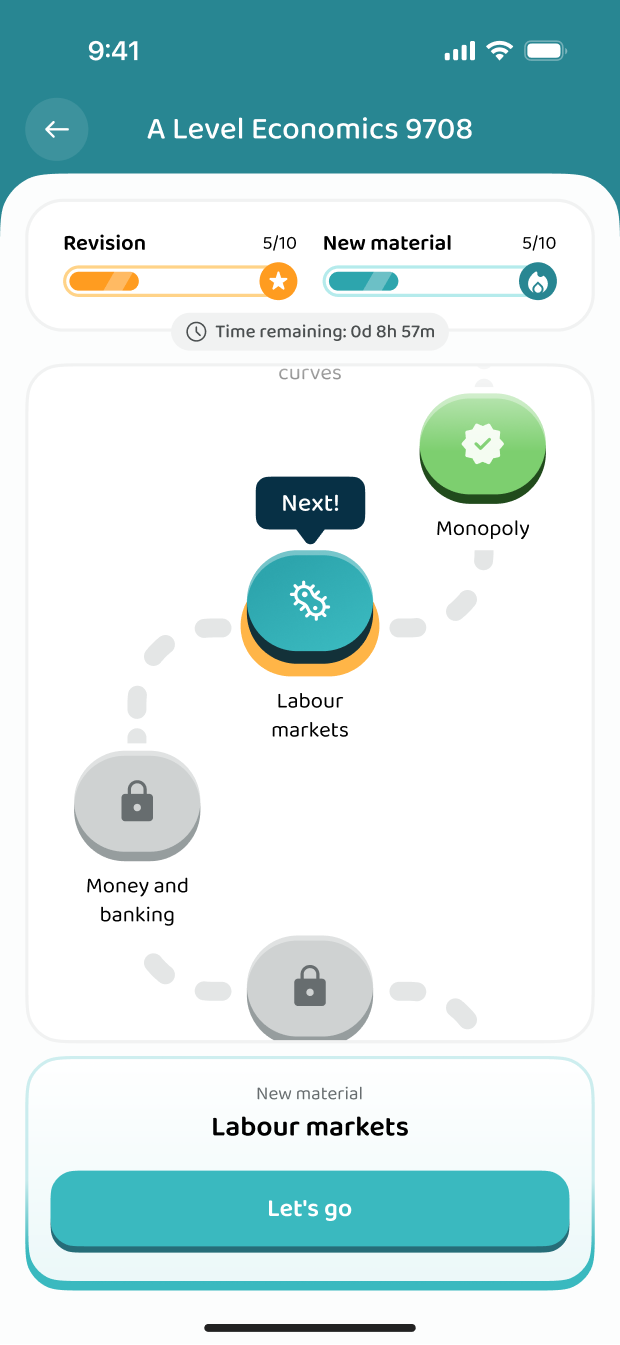
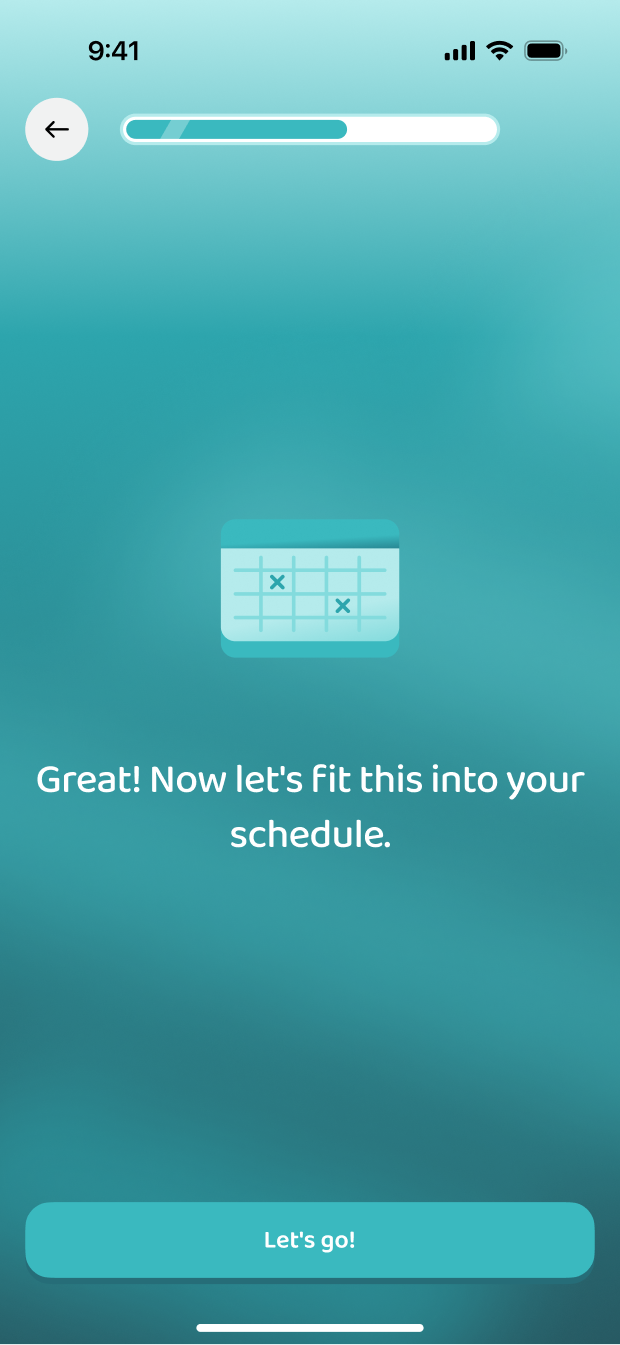
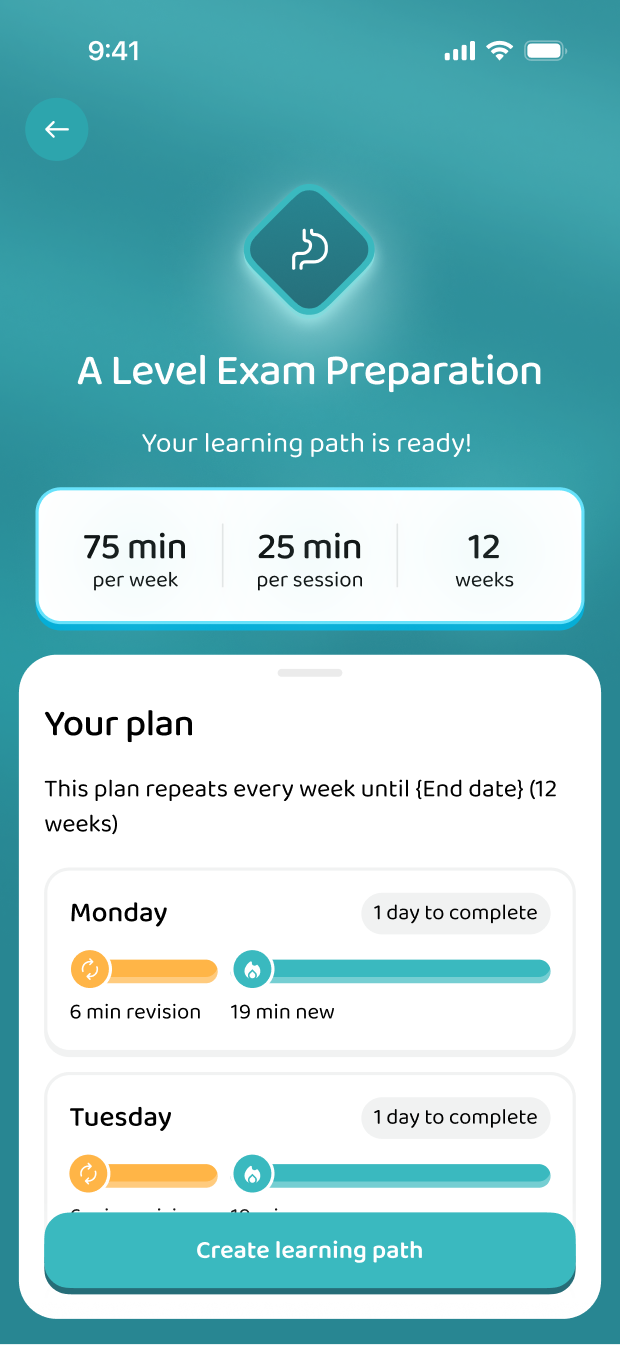
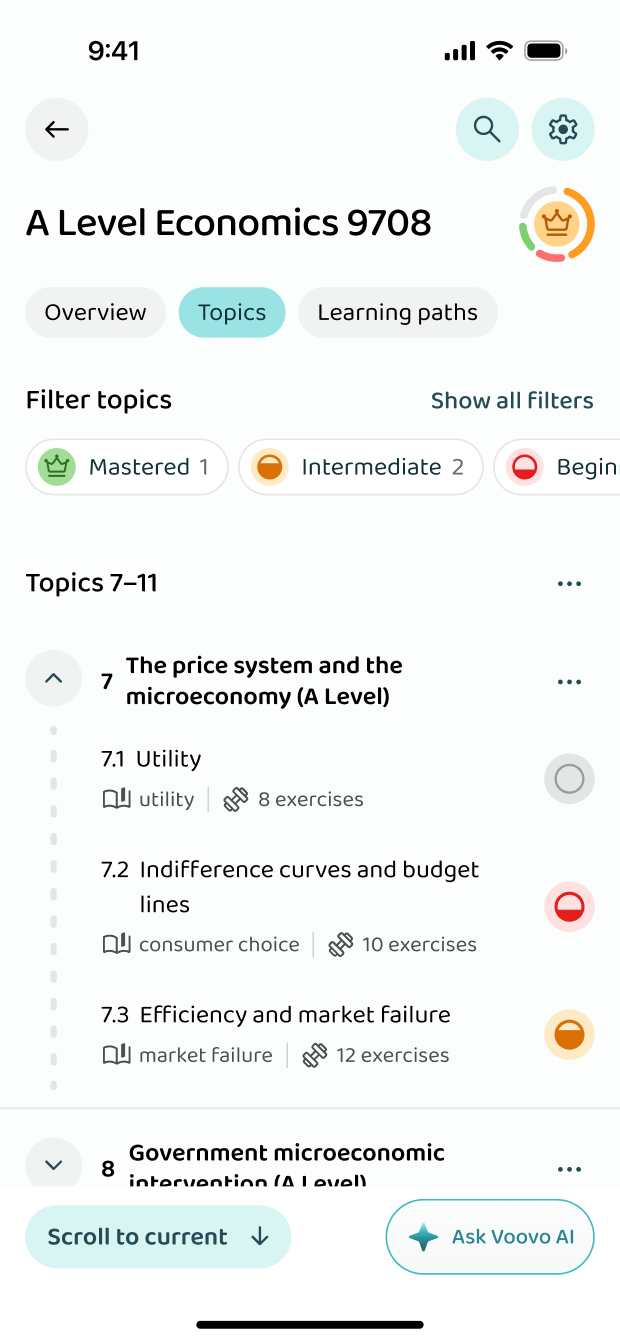
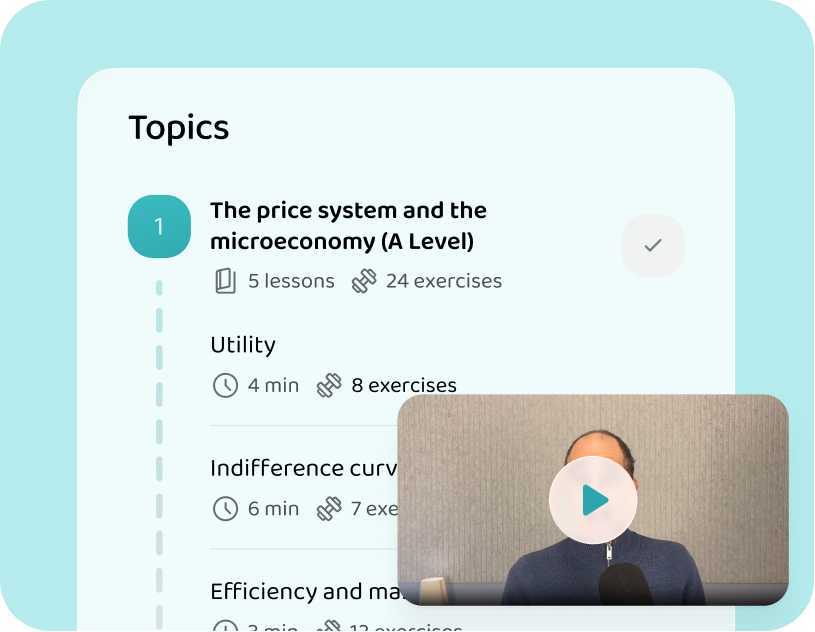
The course is broken into topics and lessons, so you always know which part you are on and which part is still left.
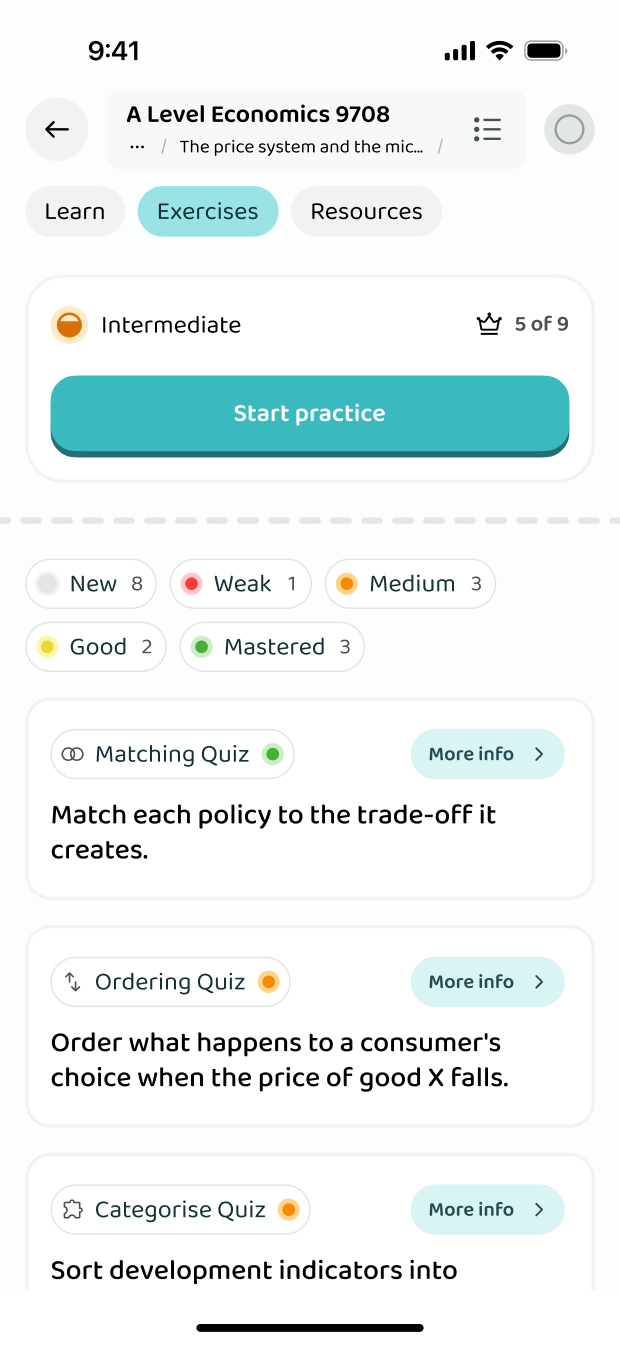
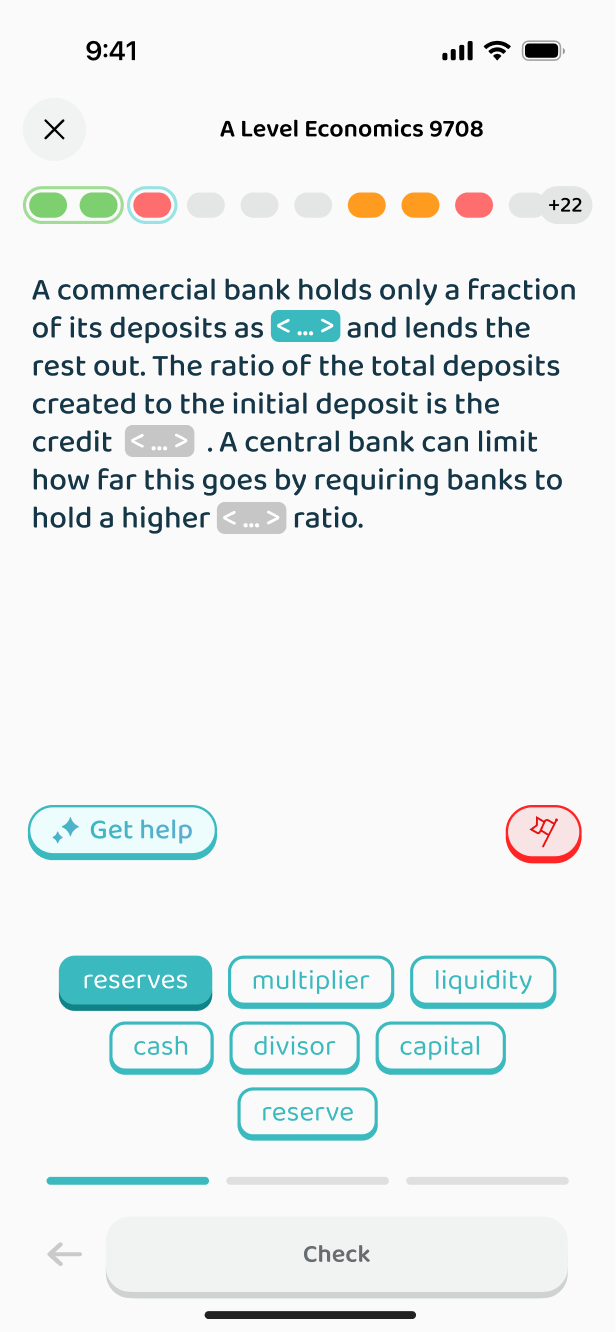
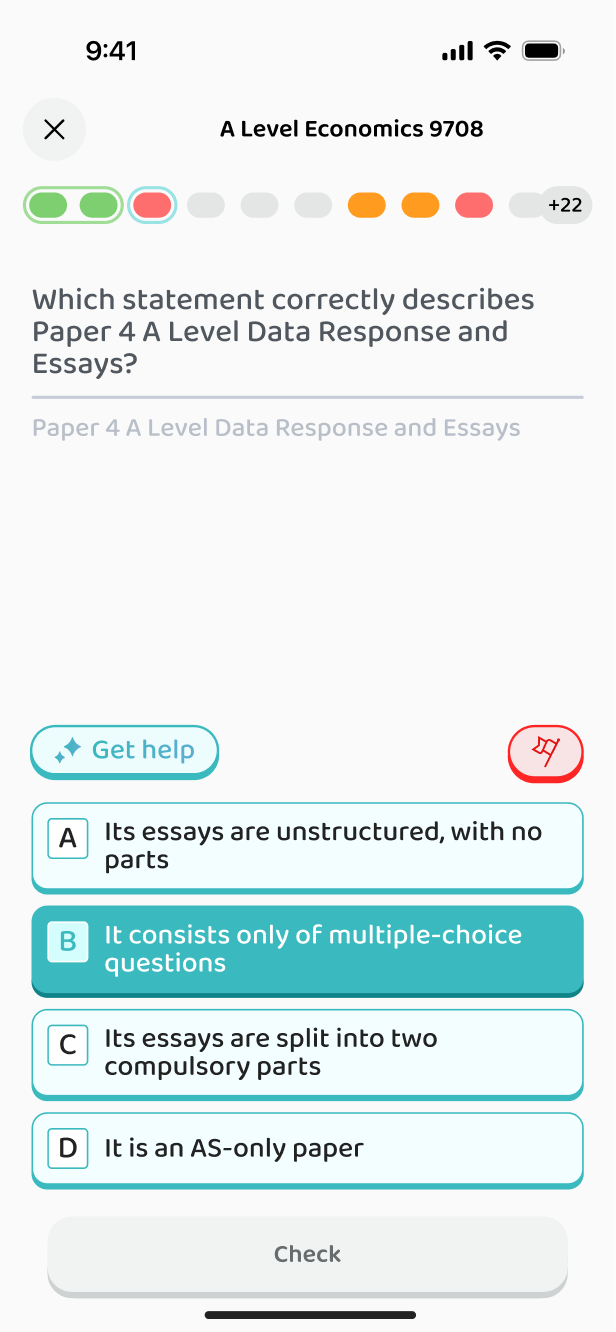
Each lesson comes with questions — ordering, matching, fill the blank, multiple choice — so you find out what you actually know before the paper does.
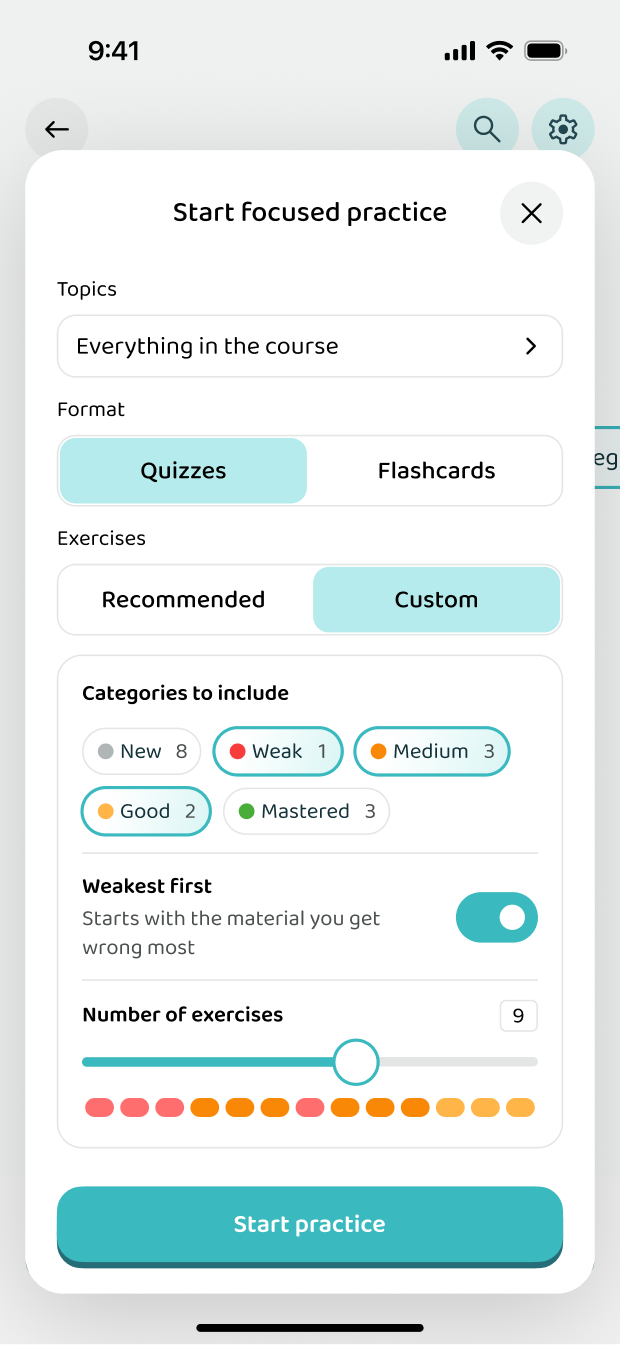
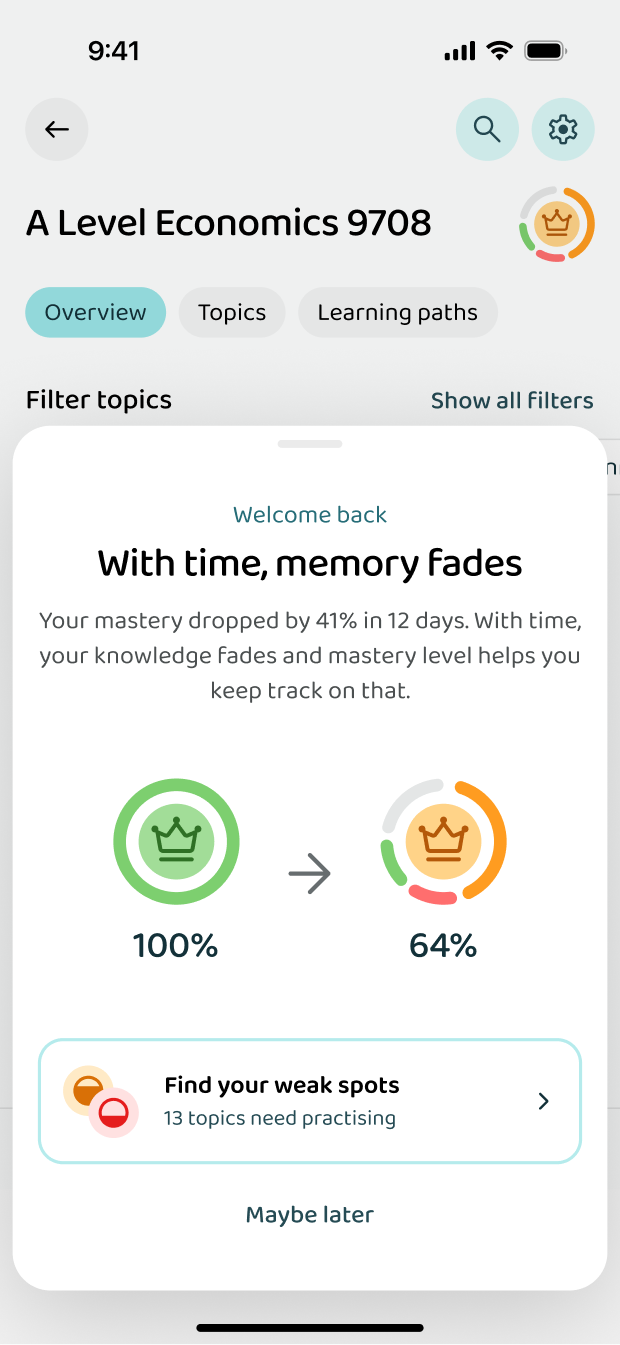
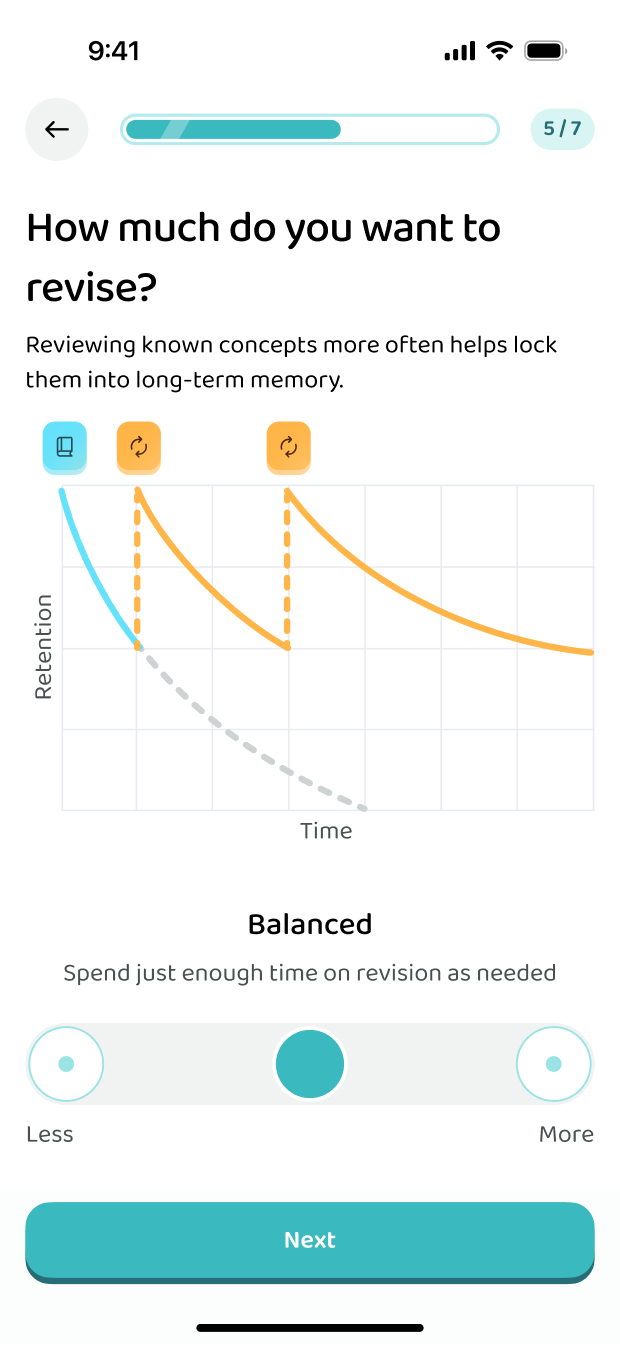
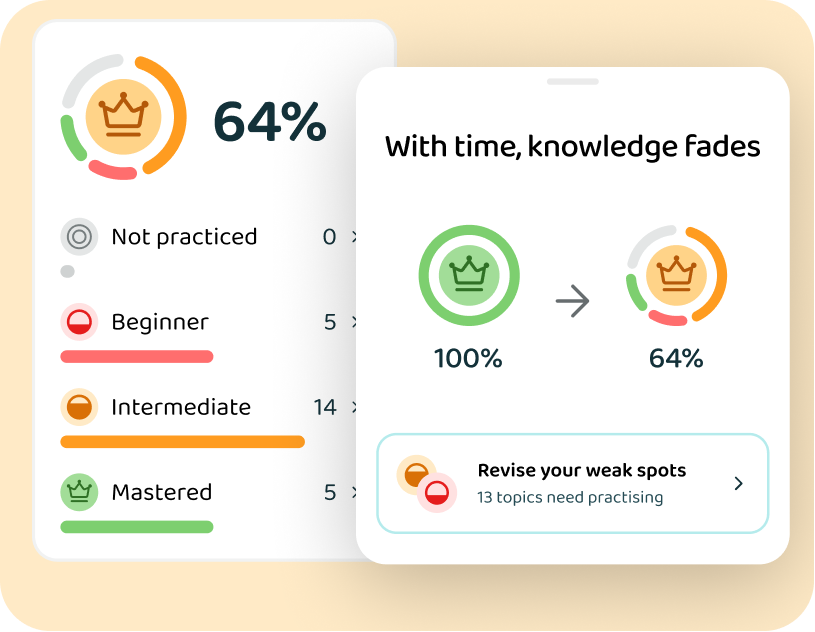
What you get wrong returns in a few days. What you know returns later. The AS topics are still in your head when Paper 3 asks about them, two years after you met them.
The lessons explain the topic. The questions make you actually learn it. What you get wrong gets practised more often. That is the best way to prepare for an exam.
11 topics and 73 lessons, built with someone who has taught A-level economics since 1999. Each one explains the idea before it asks you anything about it.
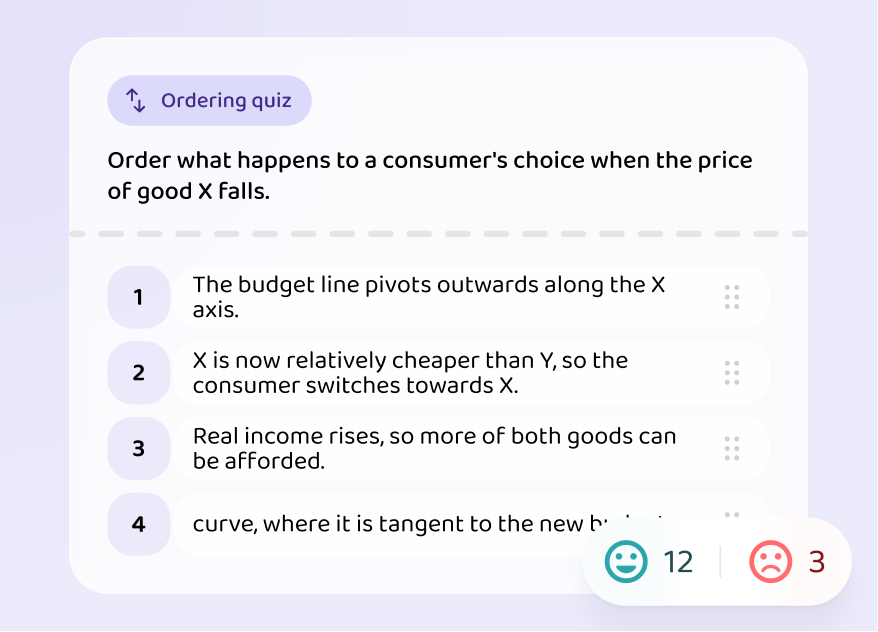
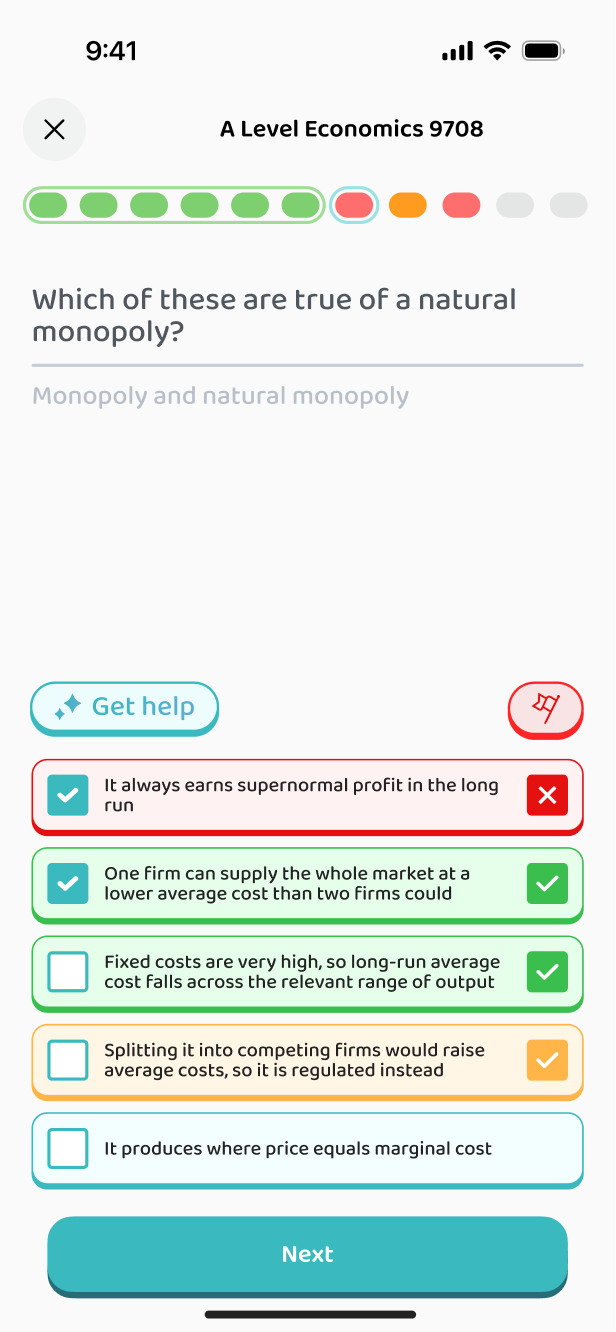
Work out what happens to a consumer's choice when a price falls. Decide what is actually true of a natural monopoly. Sort development indicators into the monetary ones and the rest. You find out what you know by answering it.
What you got wrong returns in a few days; what you know returns much later. So the AS content is still there when Papers 3 and 4 ask about it, and you are not relearning two years of syllabus in the last month.
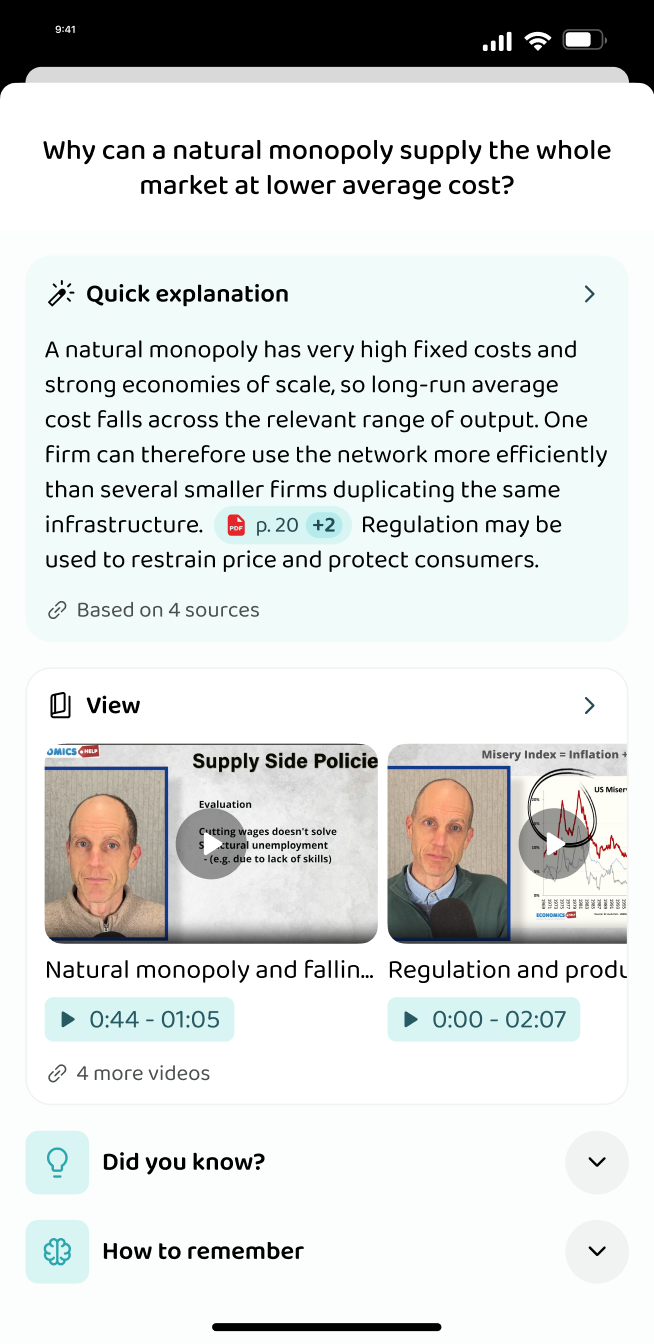
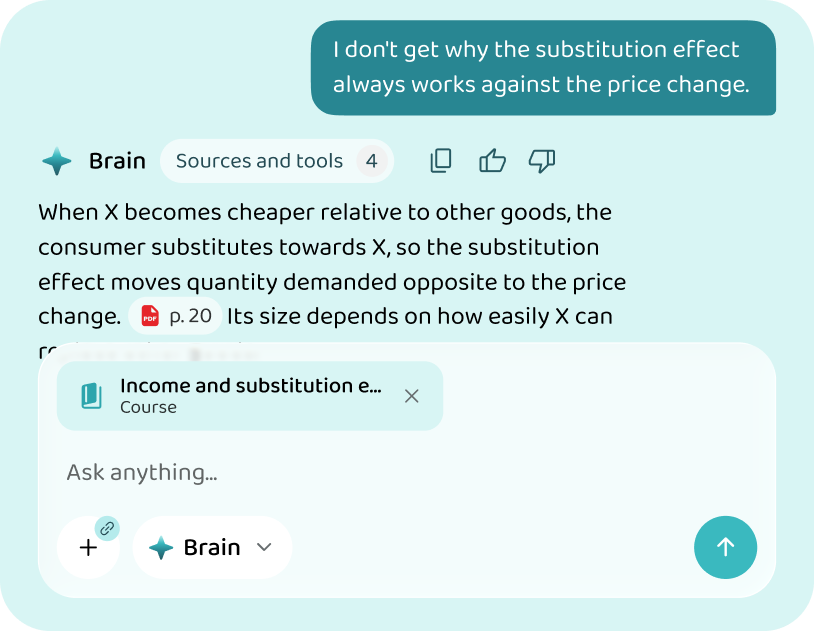
Ask about anything in the course and the answer comes from the course material itself, with the lesson it came from. No weak sources, no hallucinations.
Everything Cambridge examines for the A Level, in the syllabus's own numbering — topics 1 to 6 are the AS content, 7 to 11 are what the A Level adds.
Courses from Economics Help, organized into focused paths so you can start with the right next lesson.
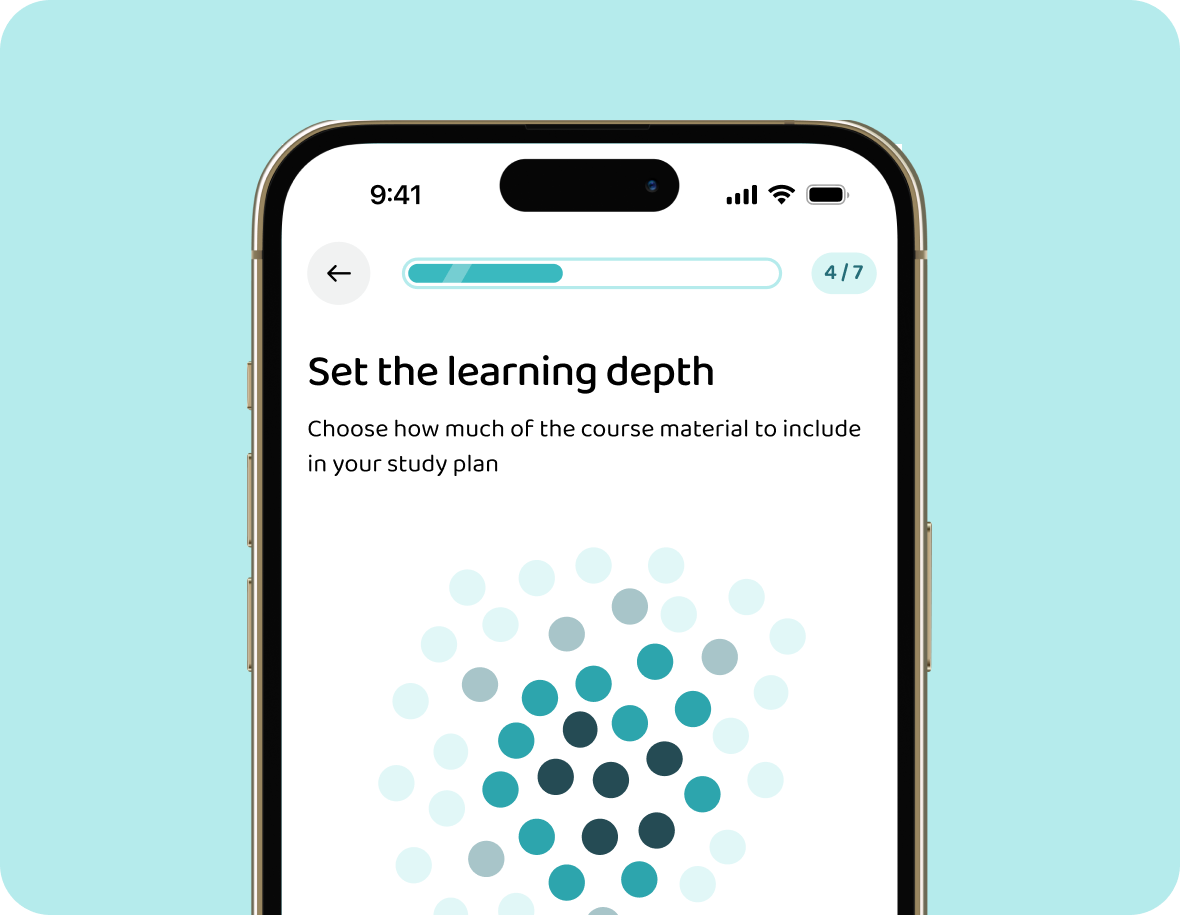
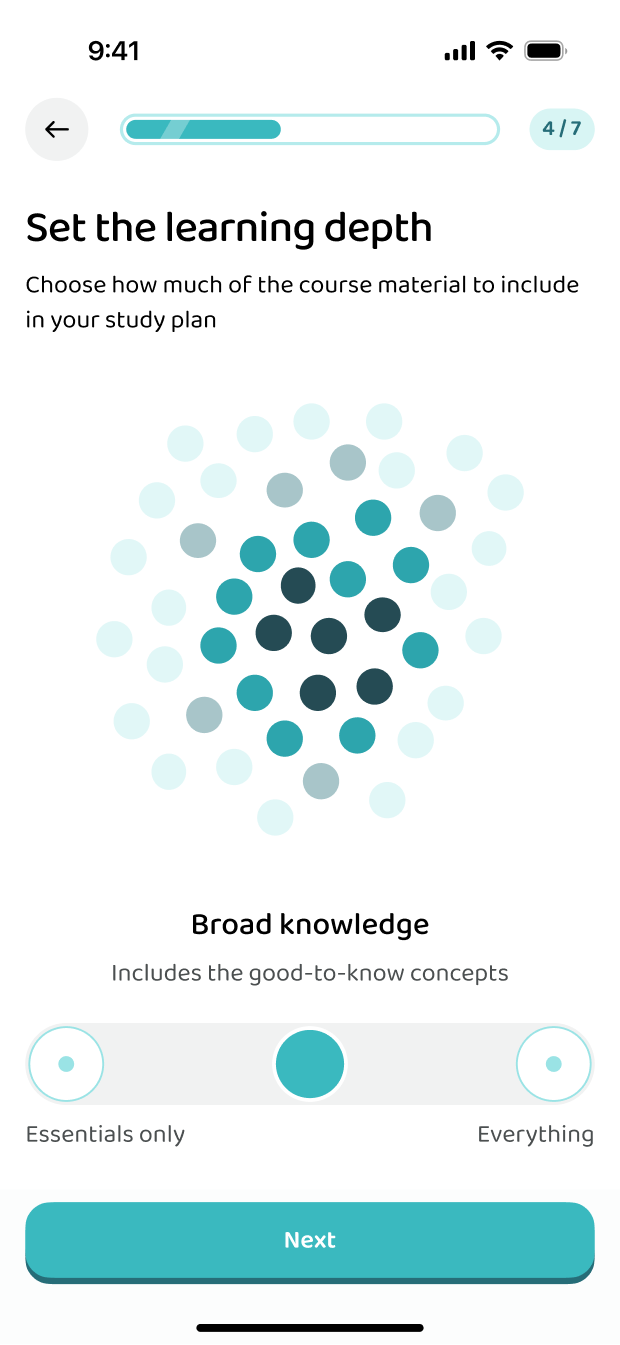
Choose the learning depth. Do you want to learn absolutely everything, or just cover the basics?
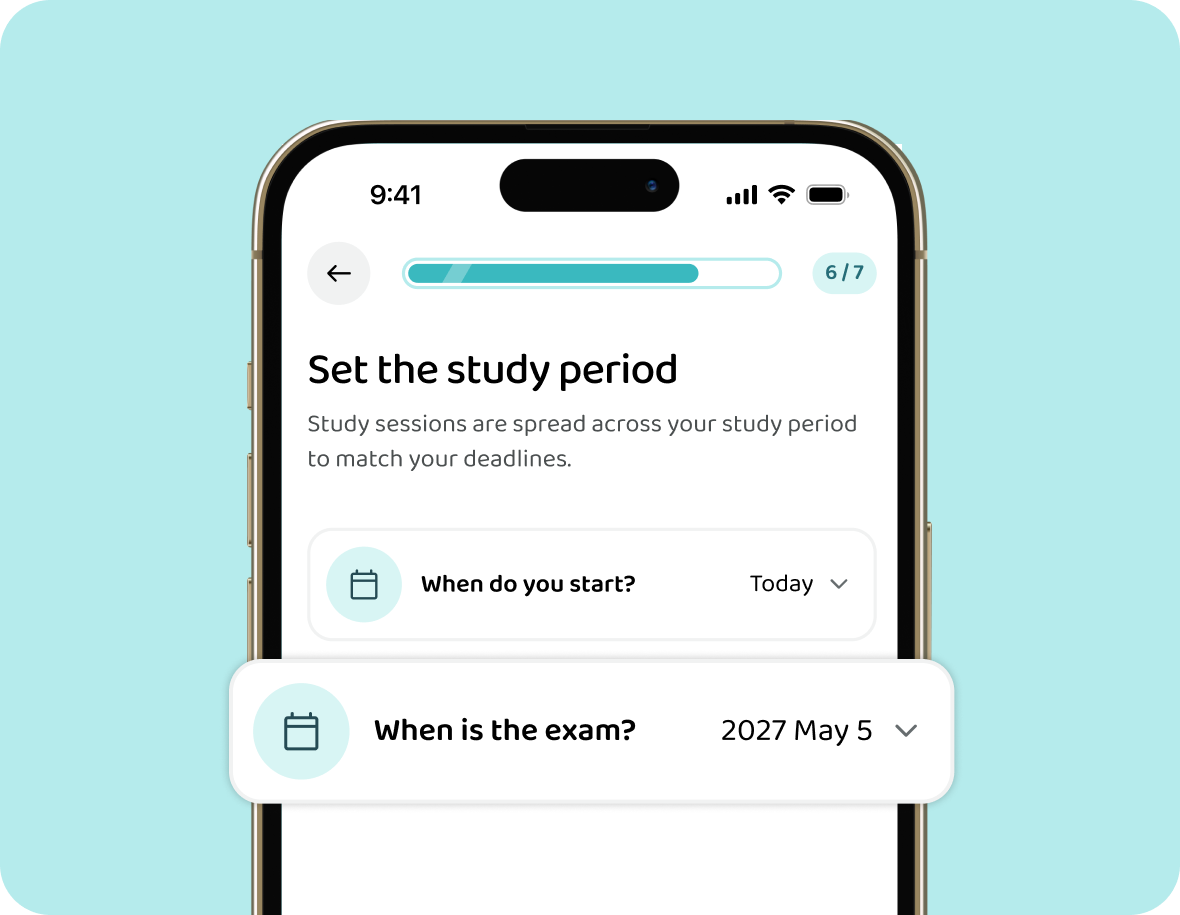
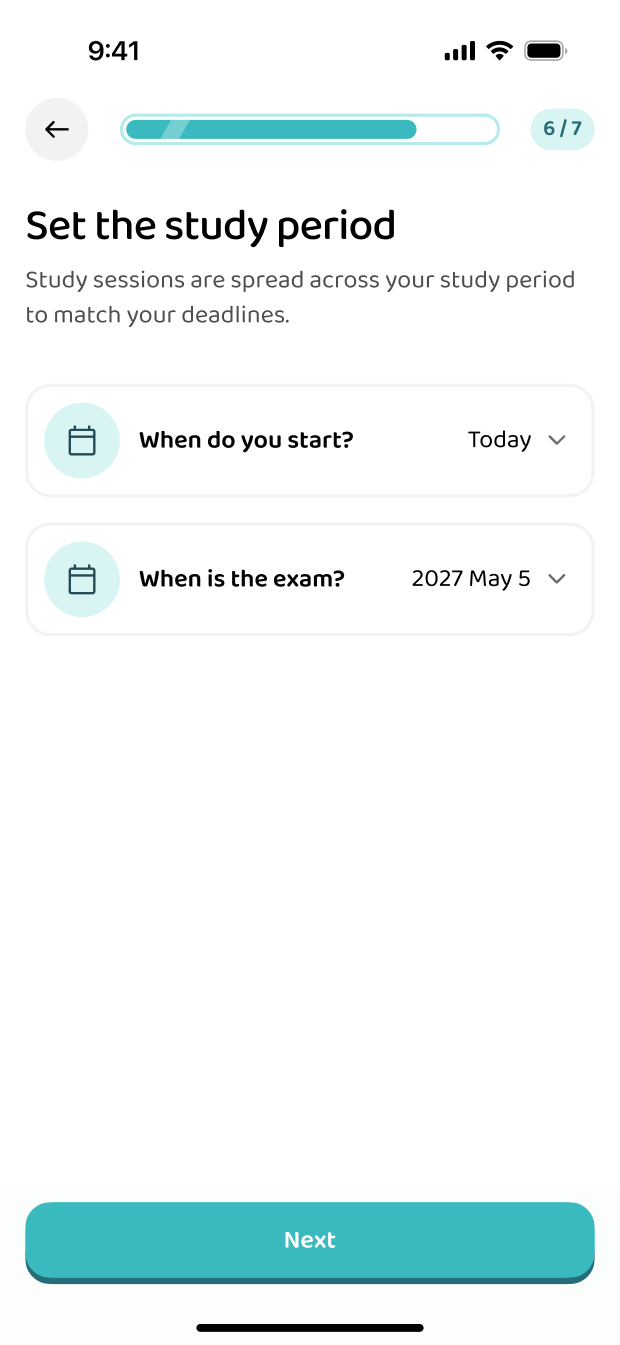
Set your exam date. The content is spread across the time you still have until the exam.
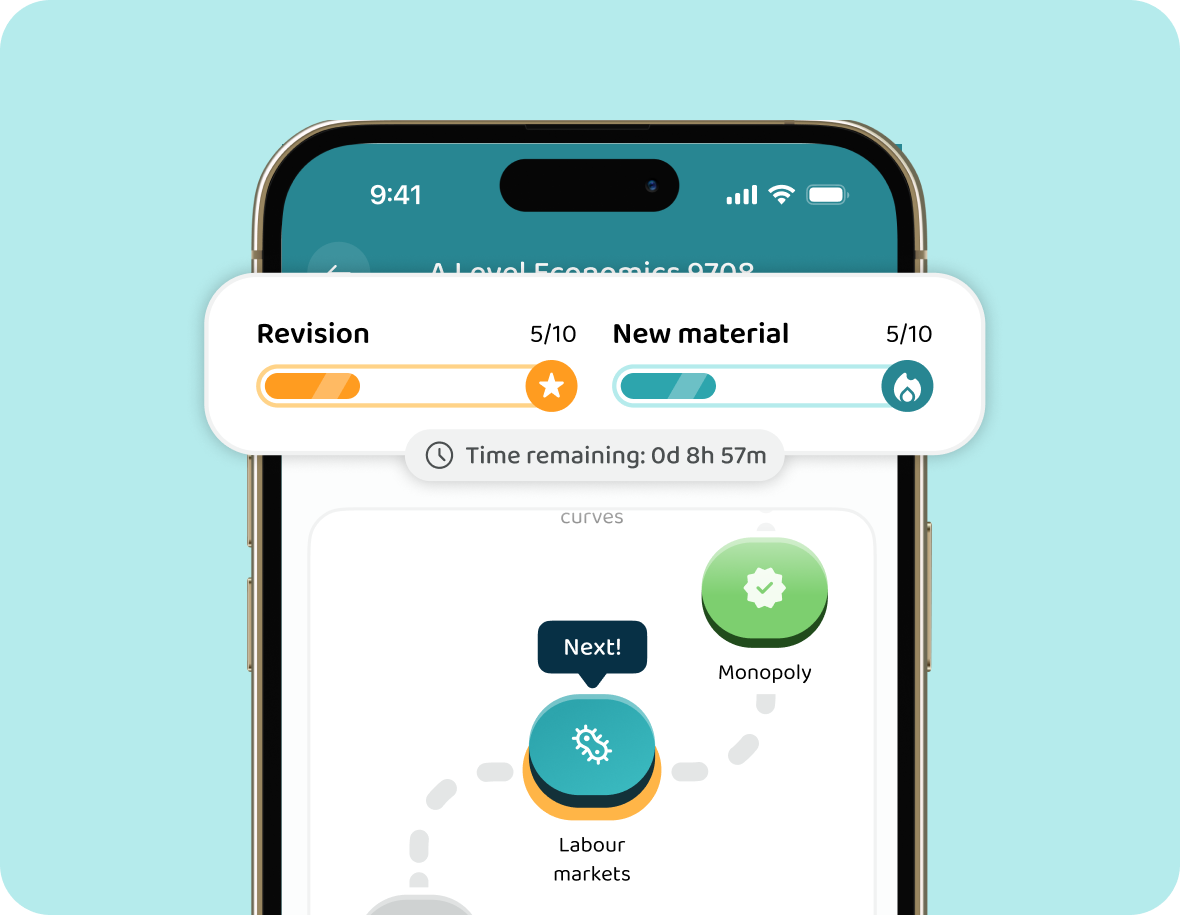
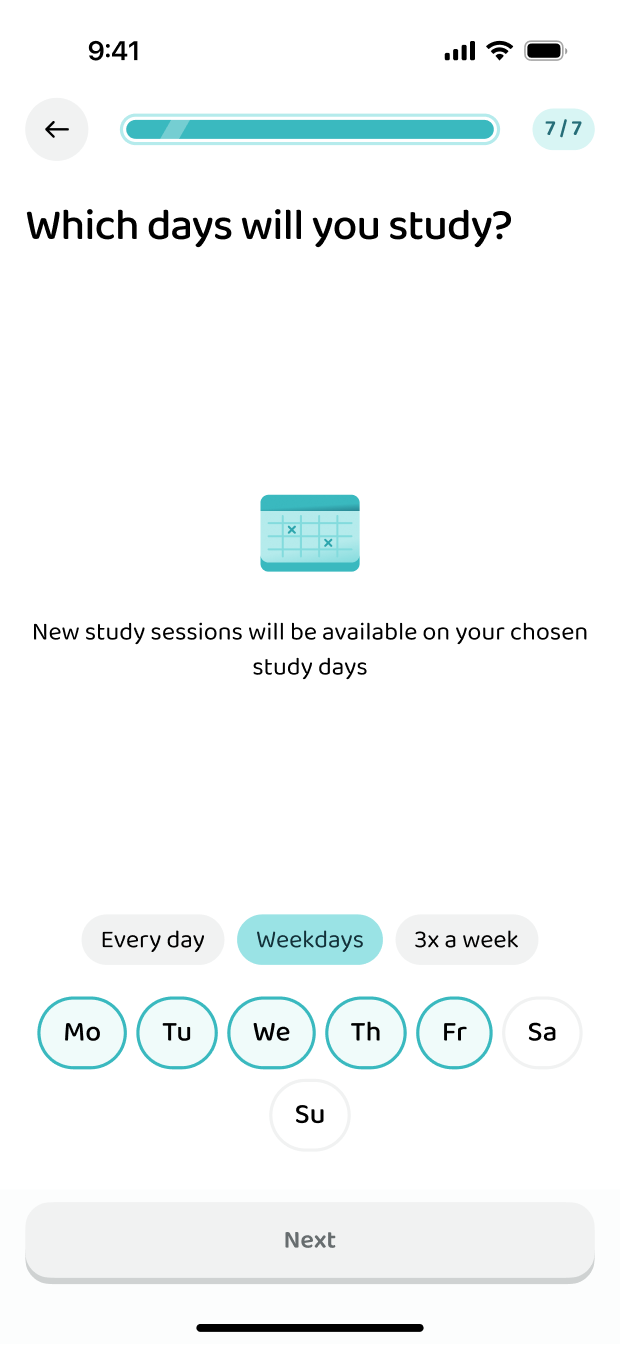
Each day is a mix of new topics and ones you are about to forget and have to revisit.
Ordering, matching, tables, labelling a monopoly diagram, fill the blank, flashcards — questions get asked in multiple ways, so you do not just memorize the shape of the answer
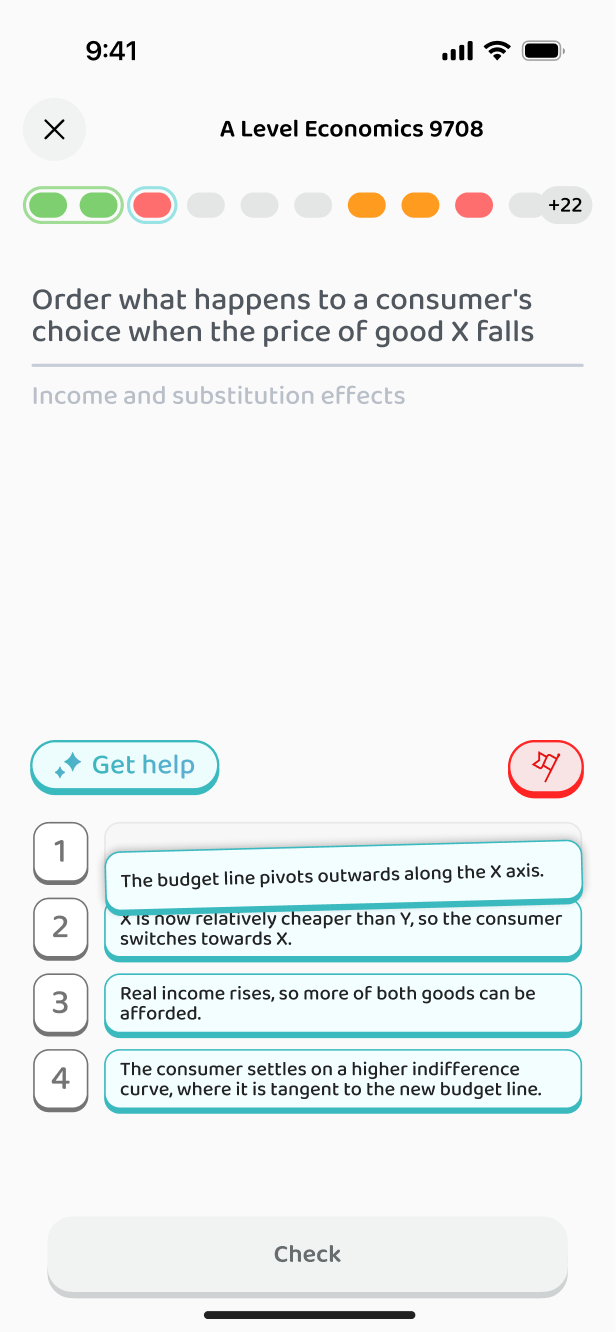
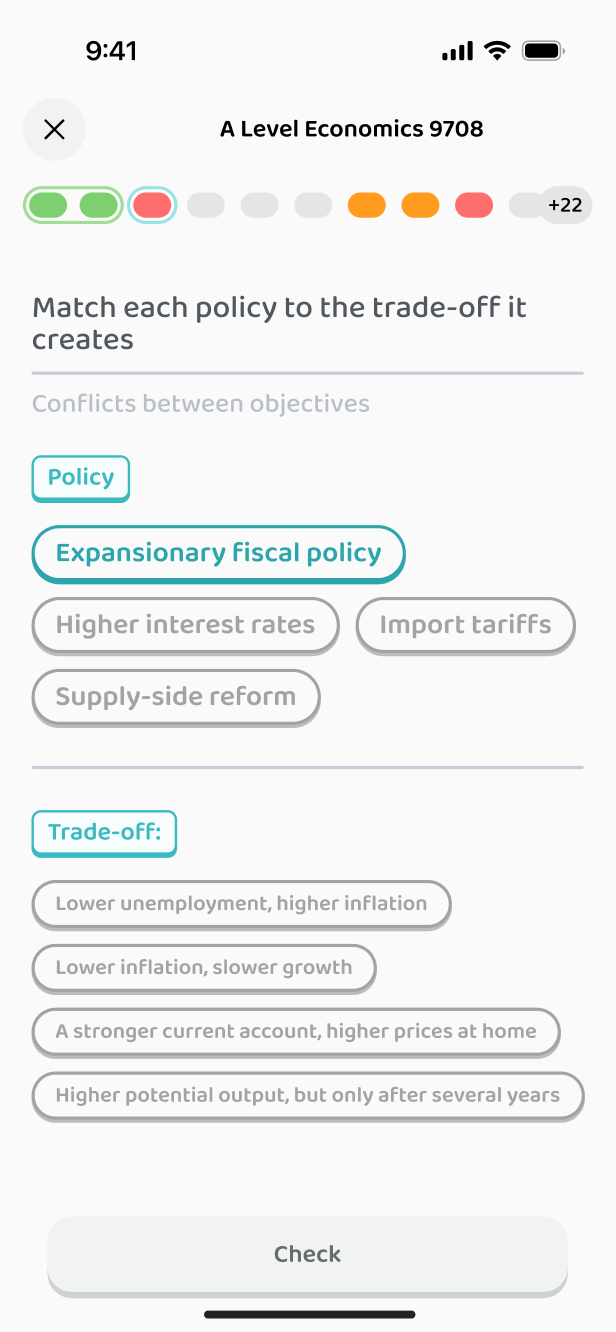
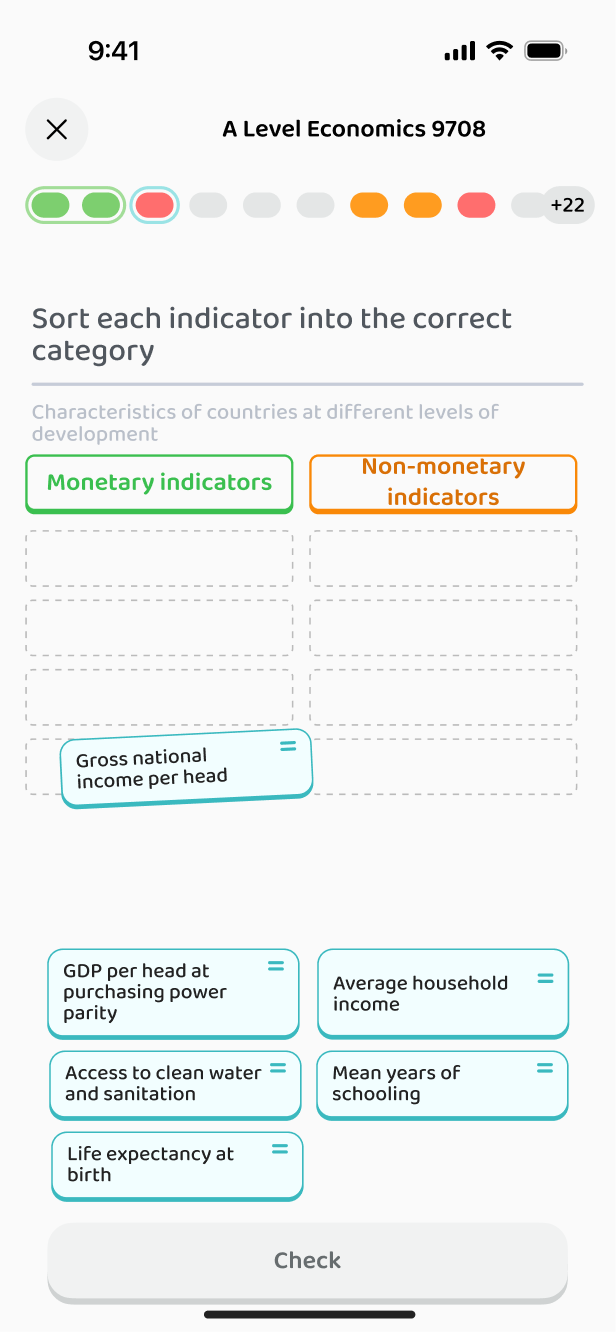
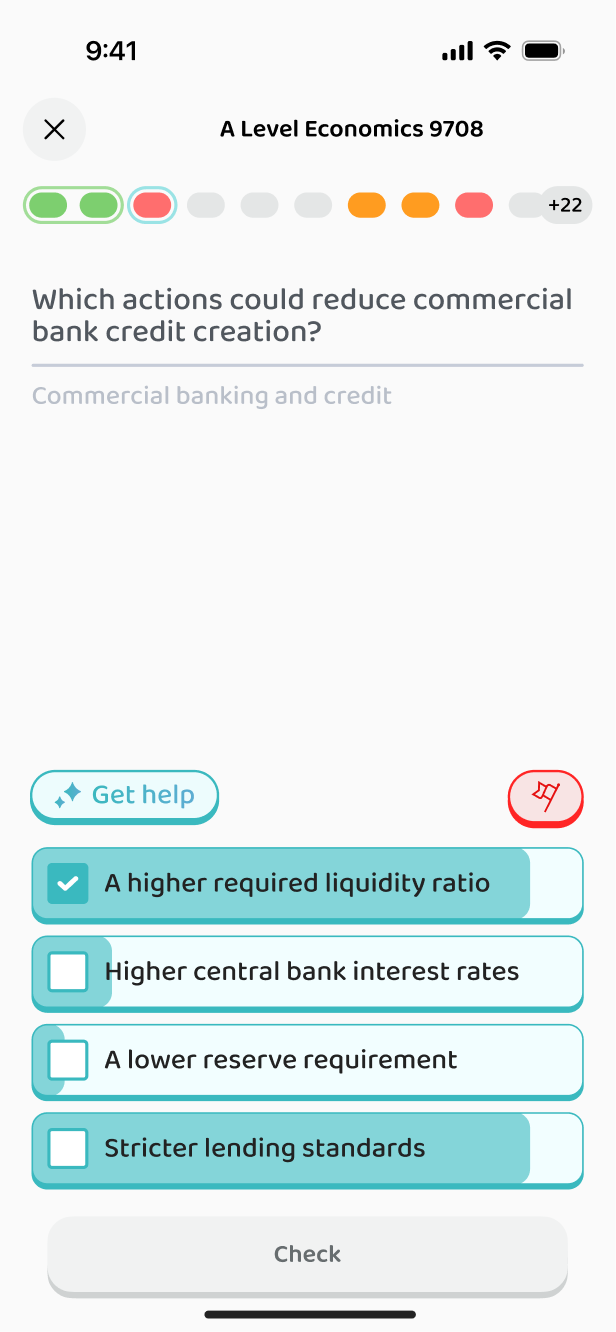
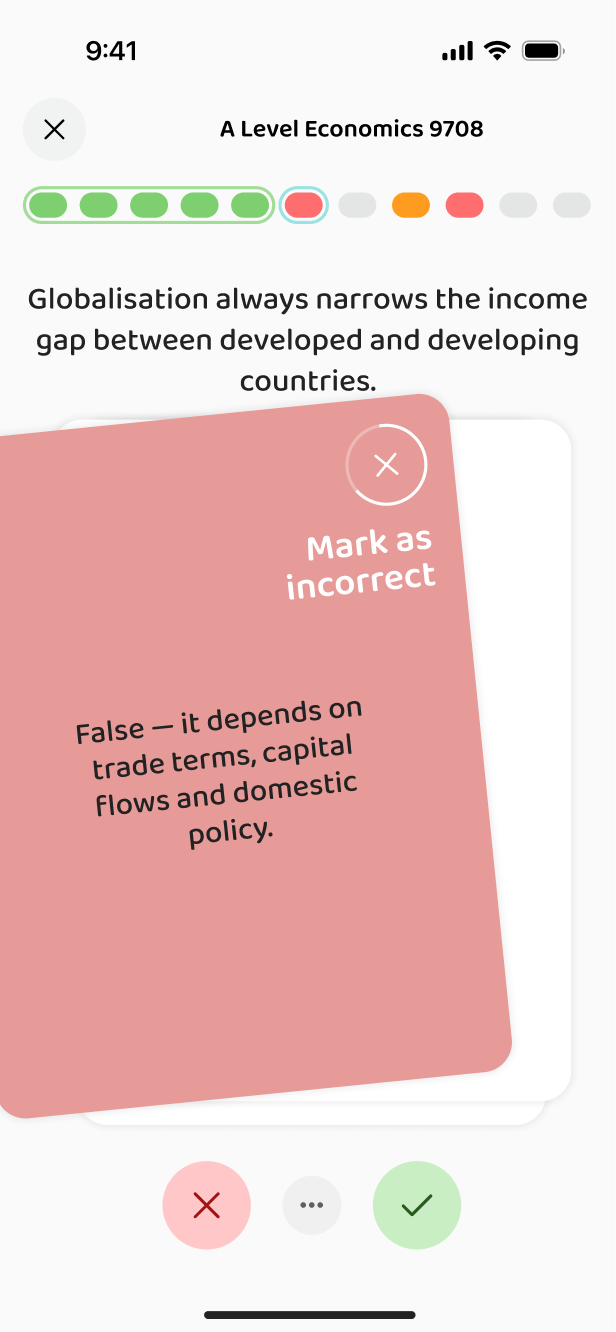
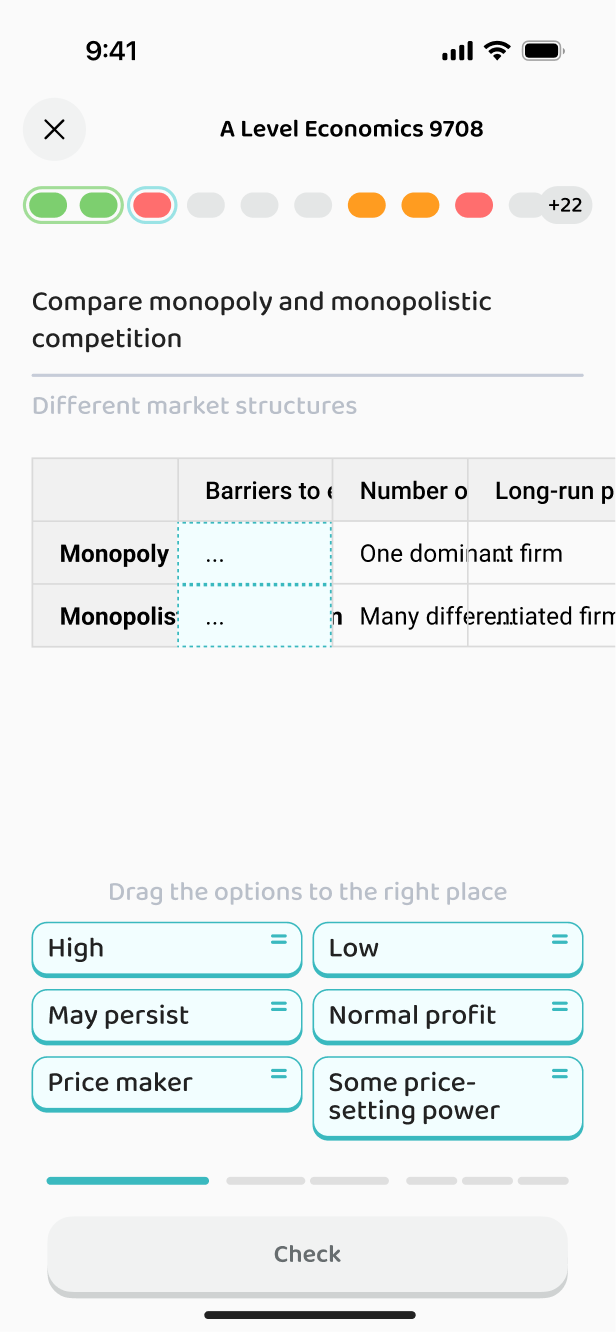
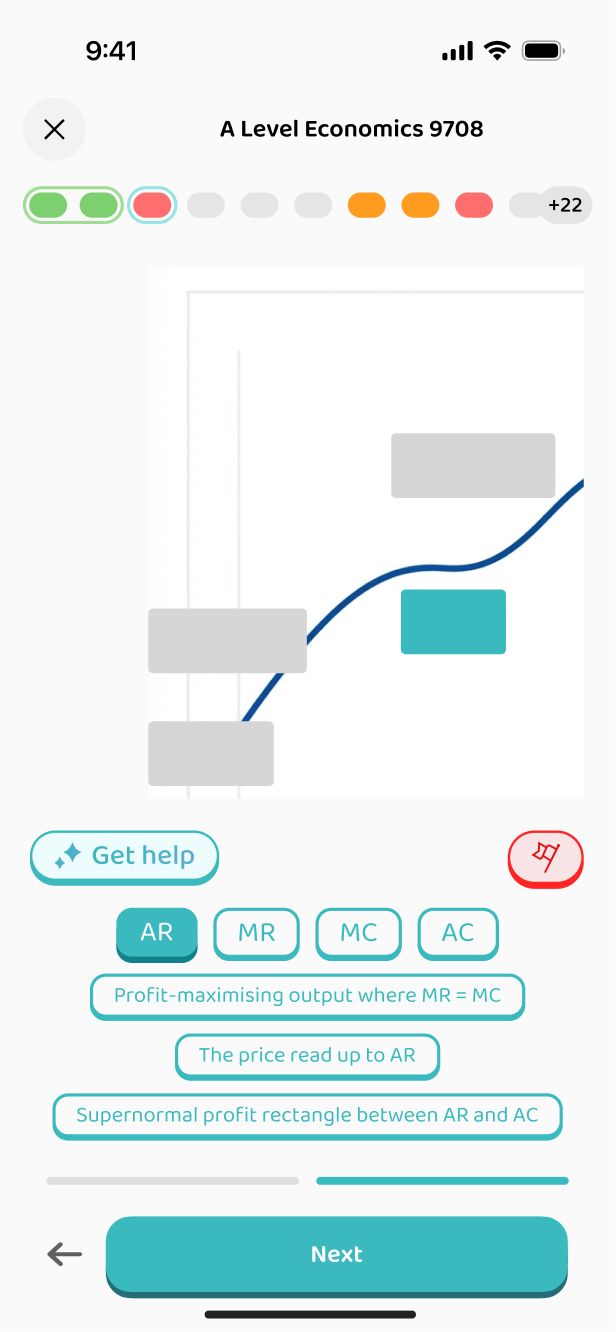
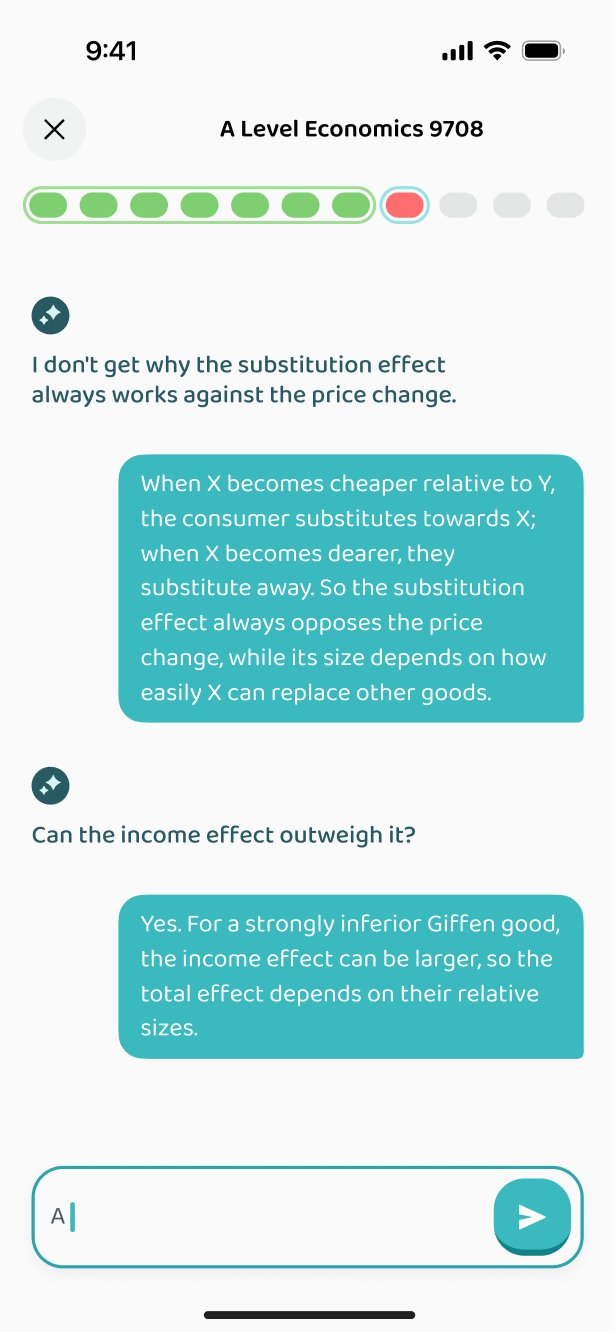
Getting one wrong is the useful part, as long as something tells you why.
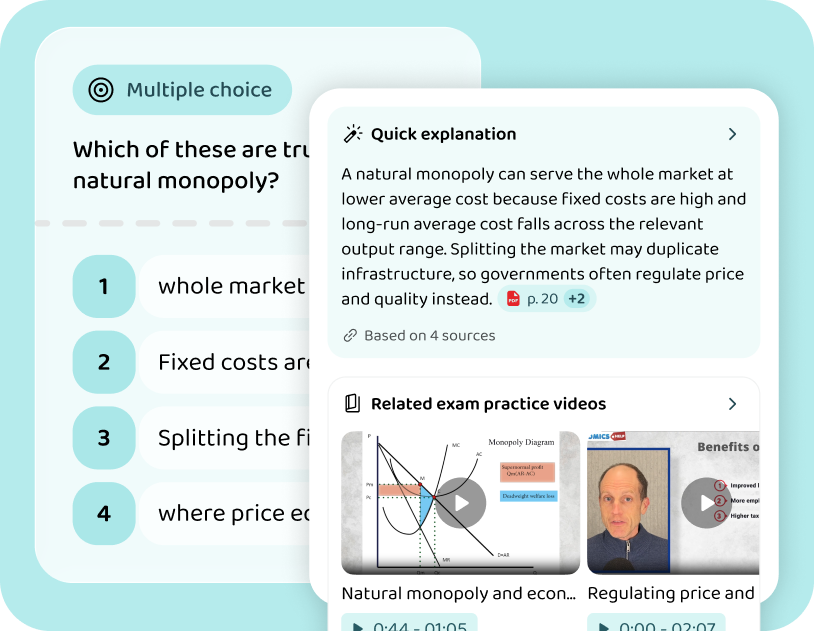
The explanation names the economics rather than restating the answer.
Each explanation points to the material it is drawn from, so you can read the argument around it.
Where a topic has a video, the explanation links to the stretch of it that covers your question, so you land on the part you needed rather than the start.
Combine the course with the Model Essays PDF. The course teaches you the concepts, the PDF shows you the right structure.
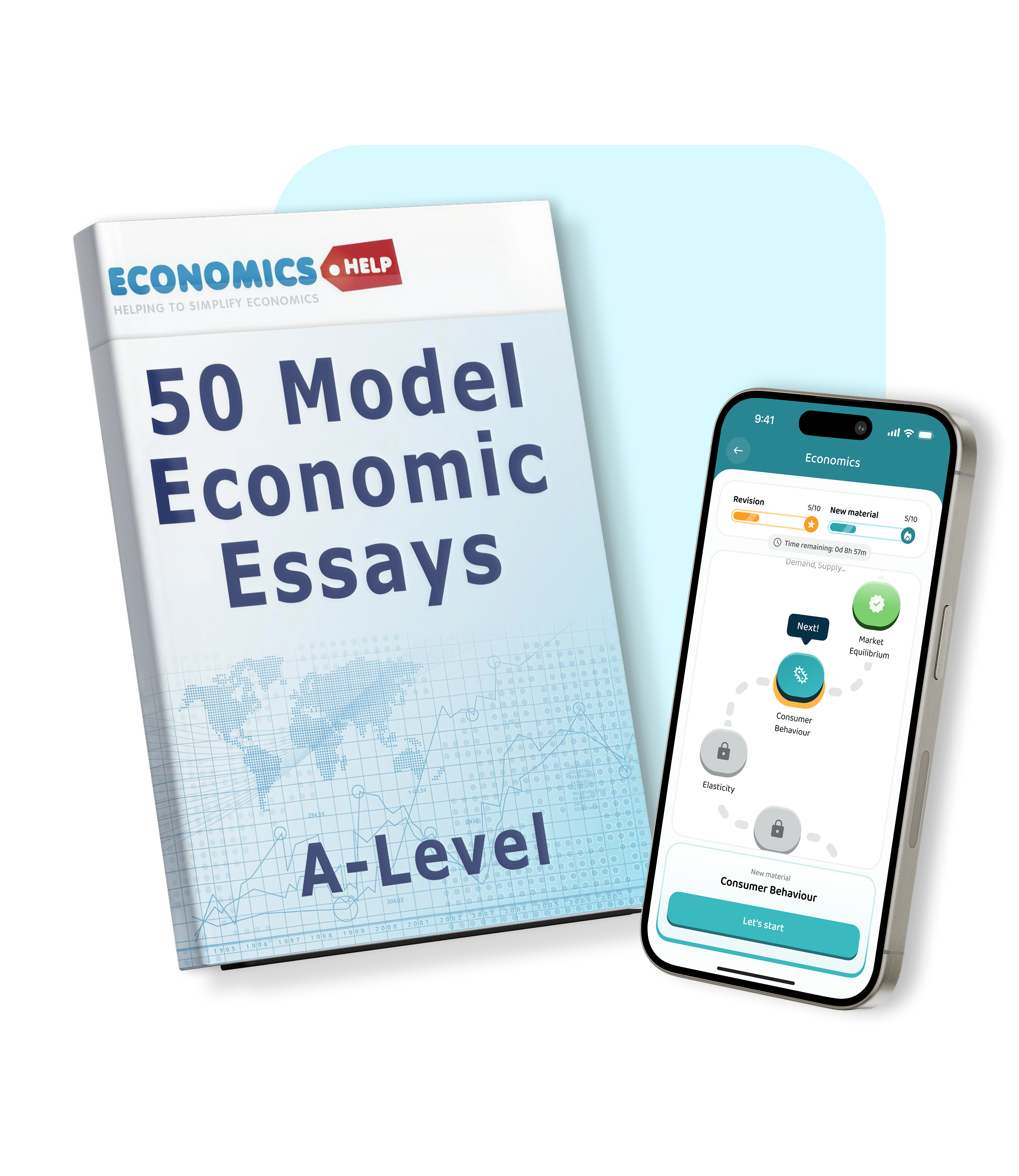
Full essays on questions taken from past papers, chosen to be appropriate for any board — so you are not reading an answer written for somebody else's spec.
Step by step and examiner-style: how the chain of reasoning runs, where the evaluation goes, and what a judgement actually looks like on the page.
I studied PPE at Lady Margaret Hall, Oxford, and I've been teaching A-level economics since 1999.
For six of those years I was an examiner and team leader, marking A-level economics papers. That is why the notes are written in the shape of the answer rather than the shape of a textbook.
I don't teach university economics. I teach A-level economics.

The explanations are, and they stay free — nothing on the site is walled off behind the course. What the site cannot do is ask you a question, notice you got elasticity wrong in October and put it back in front of you before the exam. That is what you are paying for.
It is the Cambridge course, built specifically for 9708 from the Economics Help revision guides and Cambridge's official syllabus for 2026 to 2028. It follows Cambridge's own eleven topics in the syllabus's own order, including the ones that are Cambridge's own — utility and indifference curves, and its four development topics.
No. Everything in the app has a checkable answer — ordering, matching, multiple choice, fill the blank — so it cannot mark an essay, and anything claiming to is guessing. What it does drill is the economics the essay is built from: the definitions, the chains of reasoning and the case for and against each policy. For the writing itself, use your teacher and Tejvan's model answers.
Yes, and you can start it in your AS year. Topics 1 to 6 are the AS content, so you choose how much of the course goes into your plan and add topics 7 to 11 when you get to them. If you are only taking the AS and stopping there, take the AS course instead.
It is the most repeated thing in 9708 threads and it is not a rule. Your AS marks carry forward; the A Level is the four papers added together, and Papers 3 and 4 are half that total. So the A2 year moves your grade in whichever direction those two papers go. What sends it down, for most people, is that the AS content has faded by the time Paper 3 asks about it — which is the one thing this course is built to stop.
Cambridge's own phrase is that the questions now come without sub-divisions: Section B is one microeconomics essay chosen from two, Section C one macroeconomics essay chosen from two. The marks split 14 for knowledge and analysis and 6 for evaluation, so nearly a third of every essay is the judgement rather than the content. The course drills the parts that essay is built from — the chains of reasoning, the diagrams and the case for and against. For the writing itself, use Tejvan's model essays.
No. A grade A on Paper 3 has taken roughly the same share of the marks as Paper 1 in every recent series. Where people lose it is the macroeconomics half: Cambridge writes in report after report that candidates did better on the microeconomics questions.
A study course inside the Voovo app, built with Tejvan Pettinger, who has taught A-level economics in Oxford since 1999 and has written six books on the subject. It is not a tutor and it does not replace school — it is the practice in between. The price is on the course above.
Start today, and you'll get through every topic well before the exam.
