
Chemistry Student & VoovoAP ChemistryChemistry Student × Voovo

AP Chemistry,
every unit

All nine units of AP Chemistry as lessons and questions, built from Matt's chemistrystudent.com notes. Learn with a personalized study plan based on your exam date and weak spots.

  • All nine units, numbered like the CED
  • Multiple choice like Section I
  • A study plan to May 6, 2027

What makes AP Chemistry hard

  • All the units, in one exam

    The exam is on May 6, 2027, and you need every unit, from the first to the last. That is a lot to cover.

  • A college course in one school year

    College Board calls it an introductory college general chemistry course. In 2025, only 17.9% of students scored a 5.

  • Half the score is multiple choice

    Section I is 60 questions in 90 minutes, 50% of your score. That is one question every 90 seconds.

What's in it

AP Chemistry on your phone, unit by unit

From Unit 1 Atomic Structure to Unit 9 Thermodynamics and Electrochemistry, every unit has its lessons and its questions.

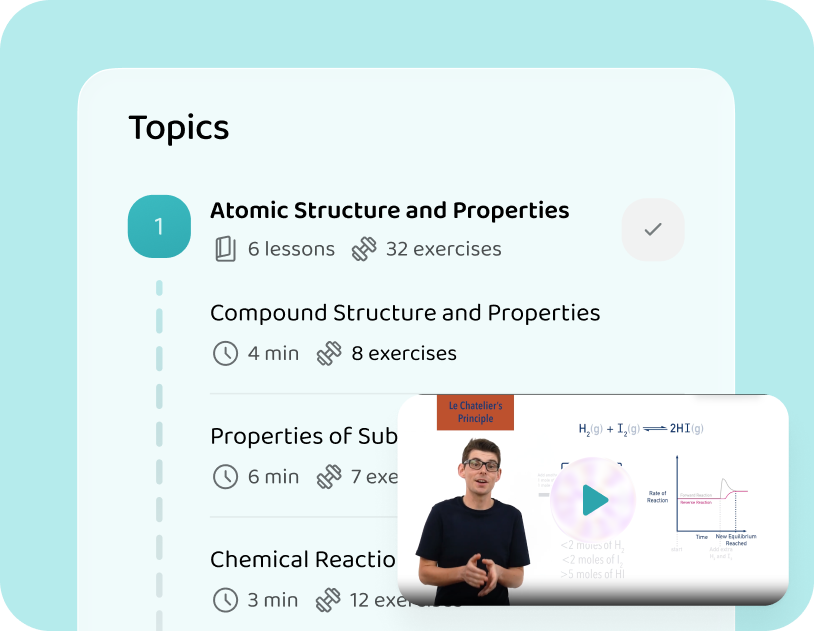
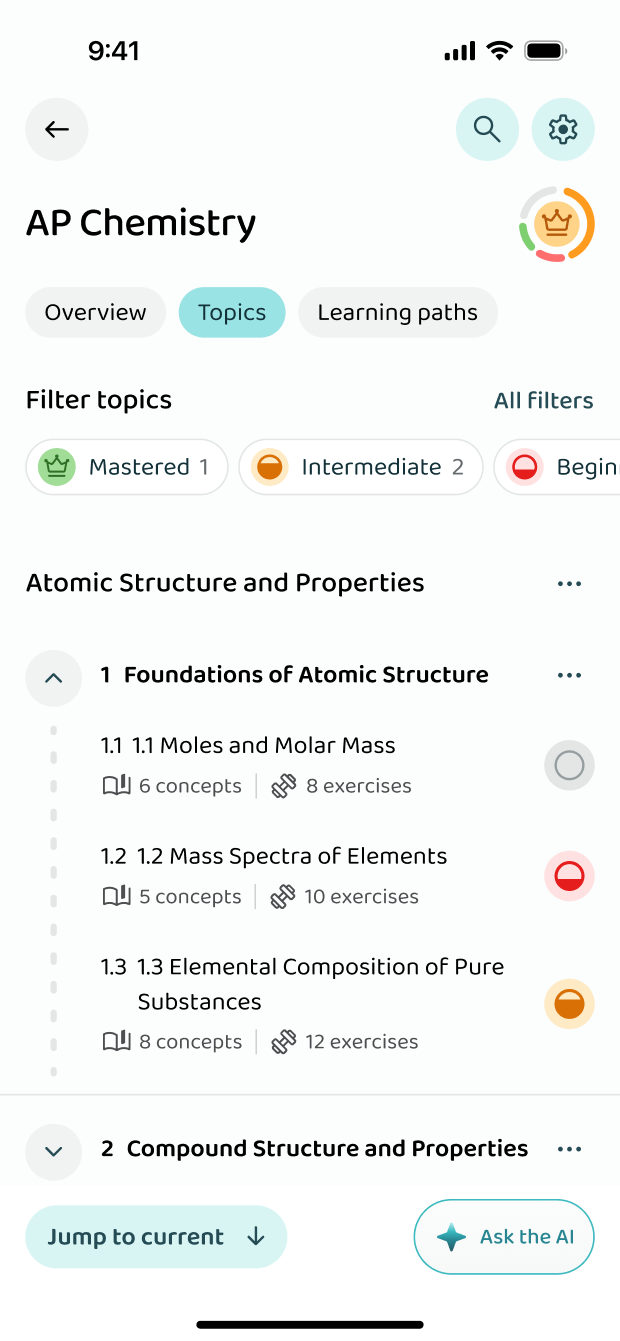
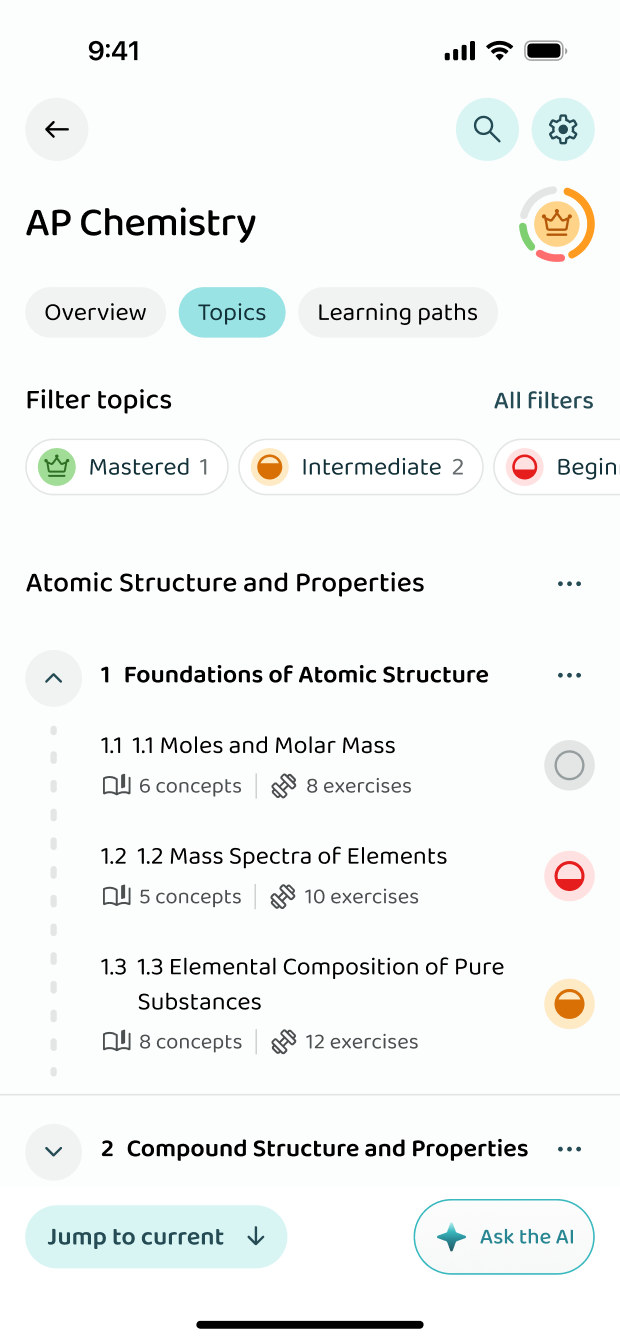
The AP Chemistry topics, filtered by how well you know them
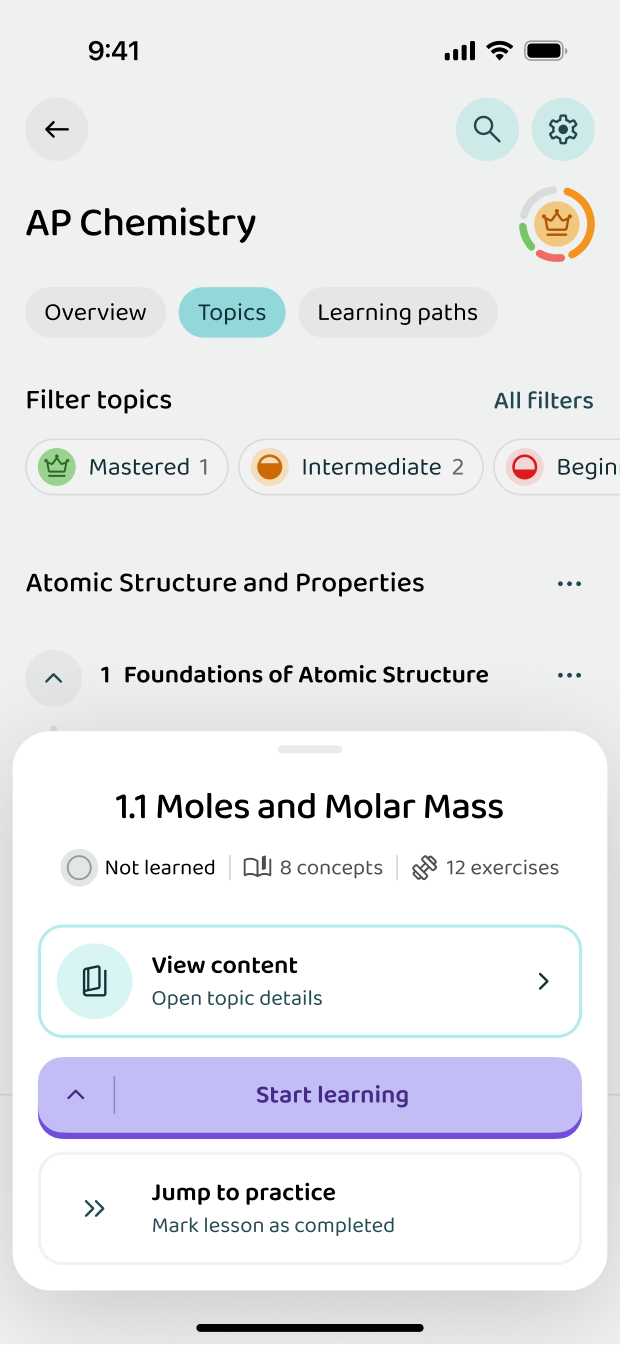
Starting a lesson inside a topic
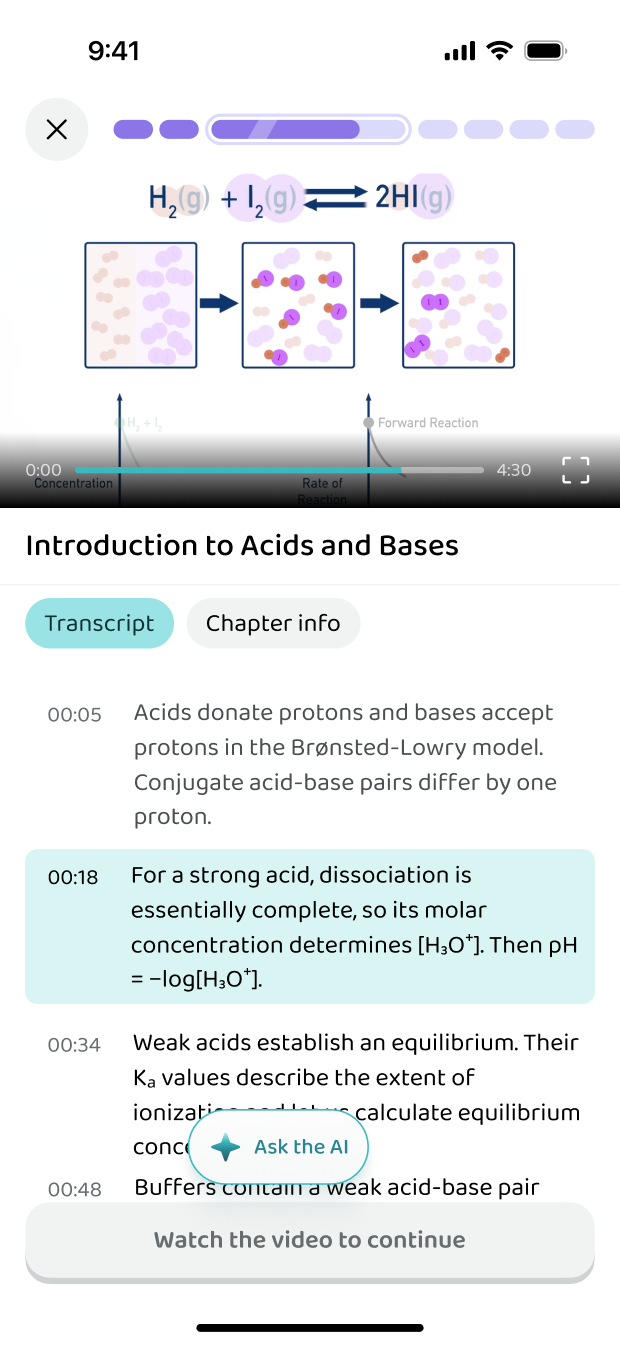
A video lesson with its transcript
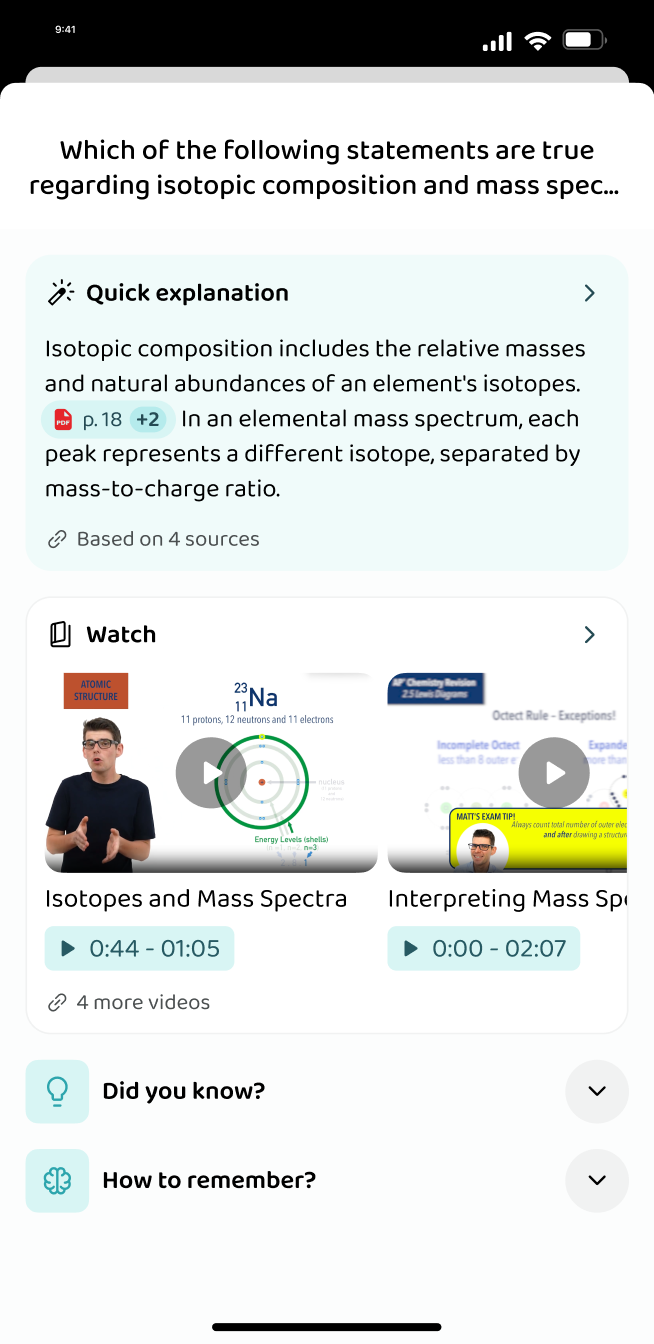
The explanation and videos attached to a question
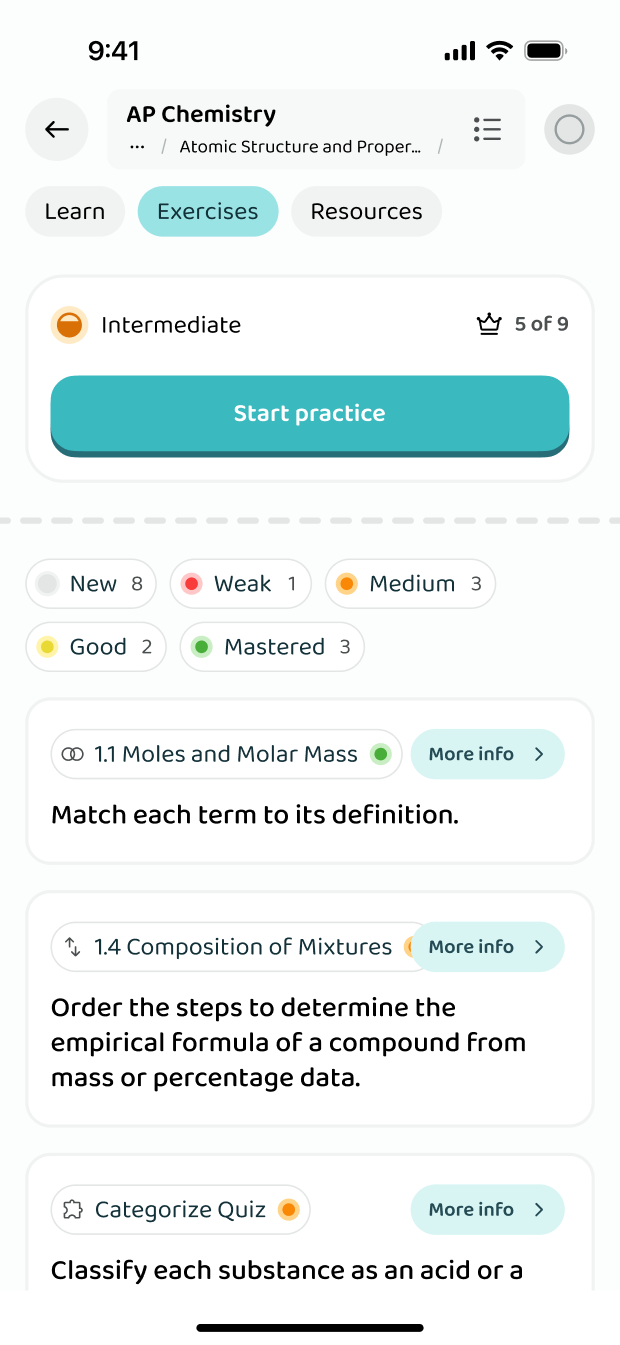
The exercises inside a subtopic
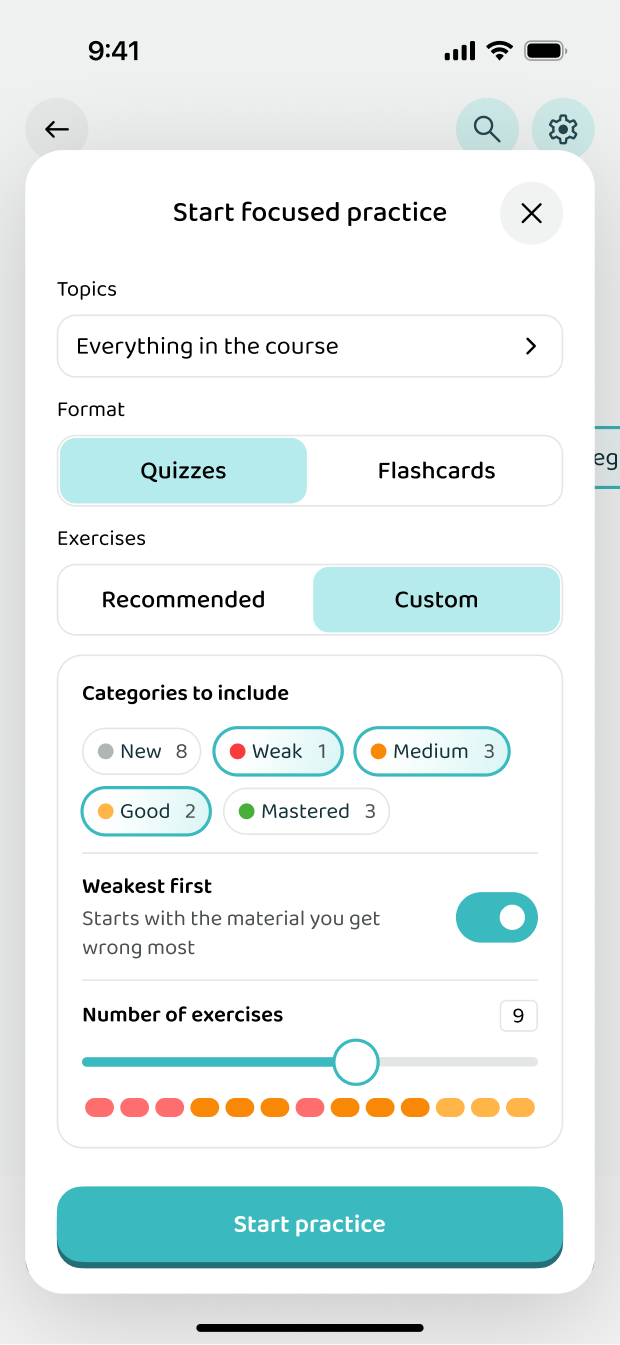
Starting targeted practice on your weakest topics
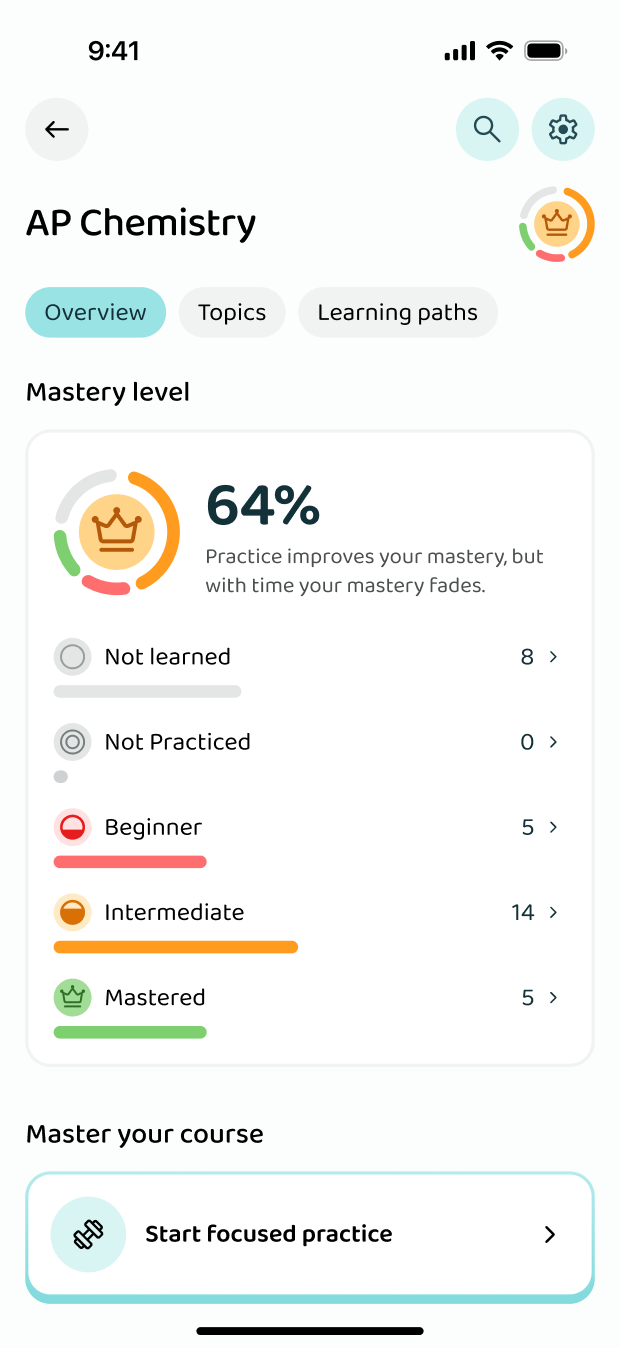
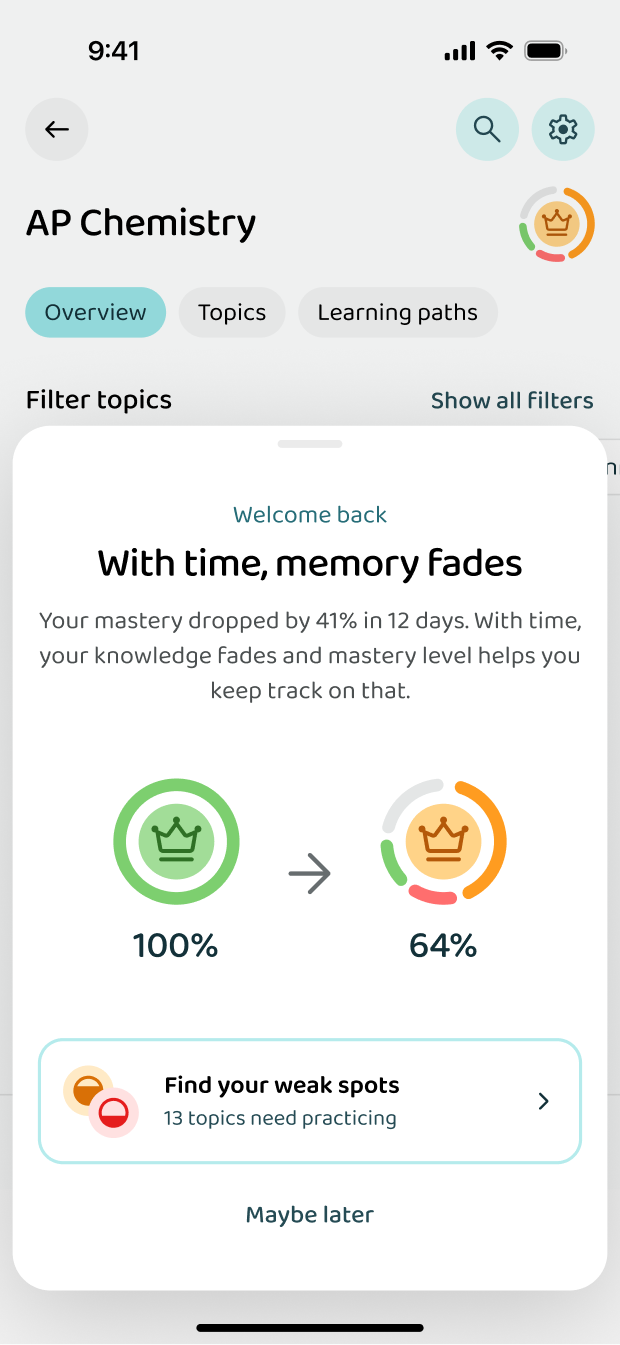
Your mastery level across the course
The warning that a topic is starting to fade
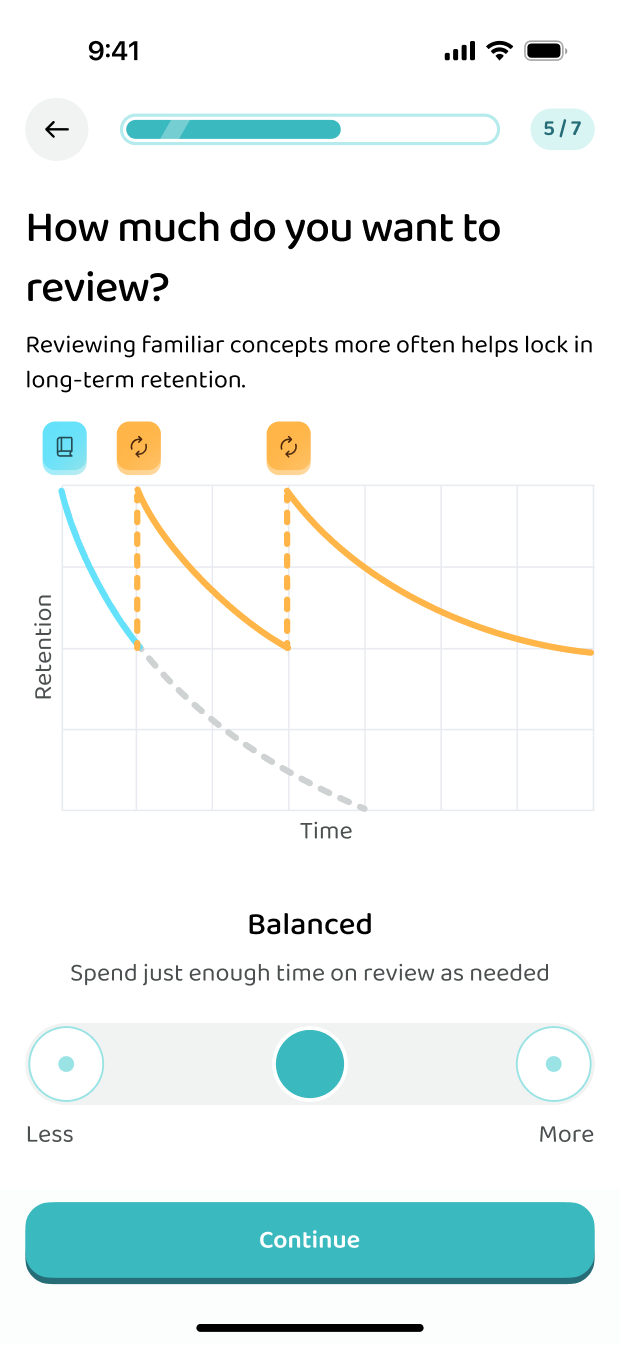
Choosing how much review goes into your plan
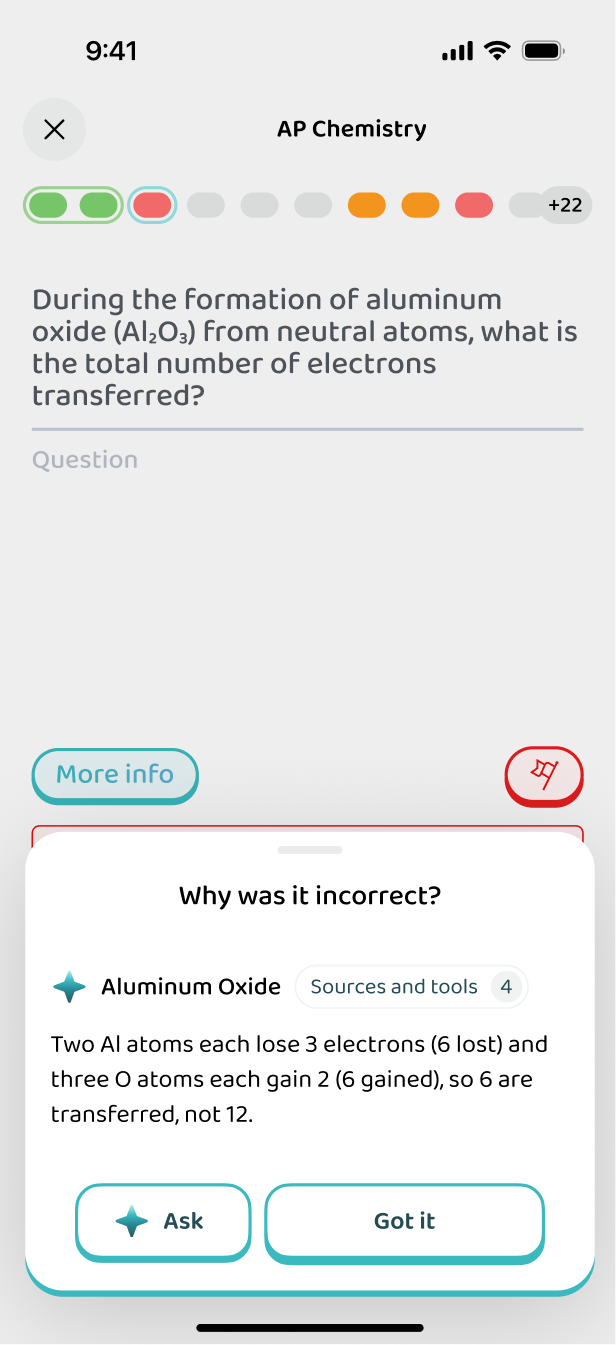
Why an answer is right
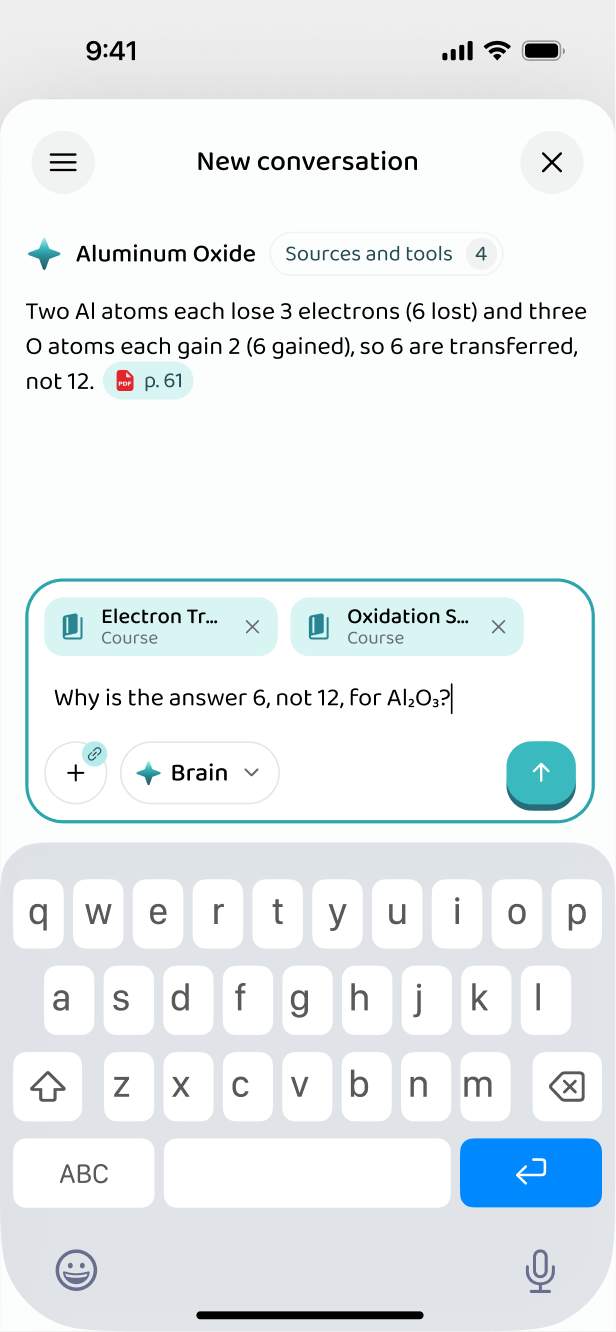
Asking the app about the course material
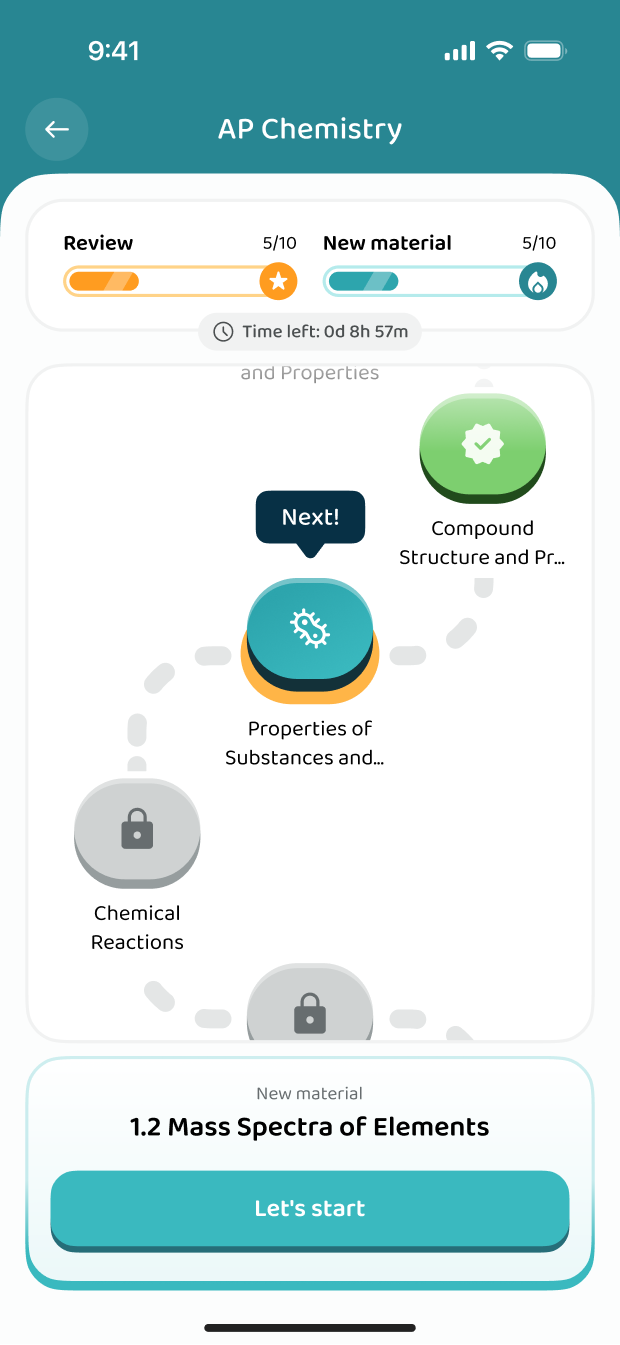
The learning path through the course
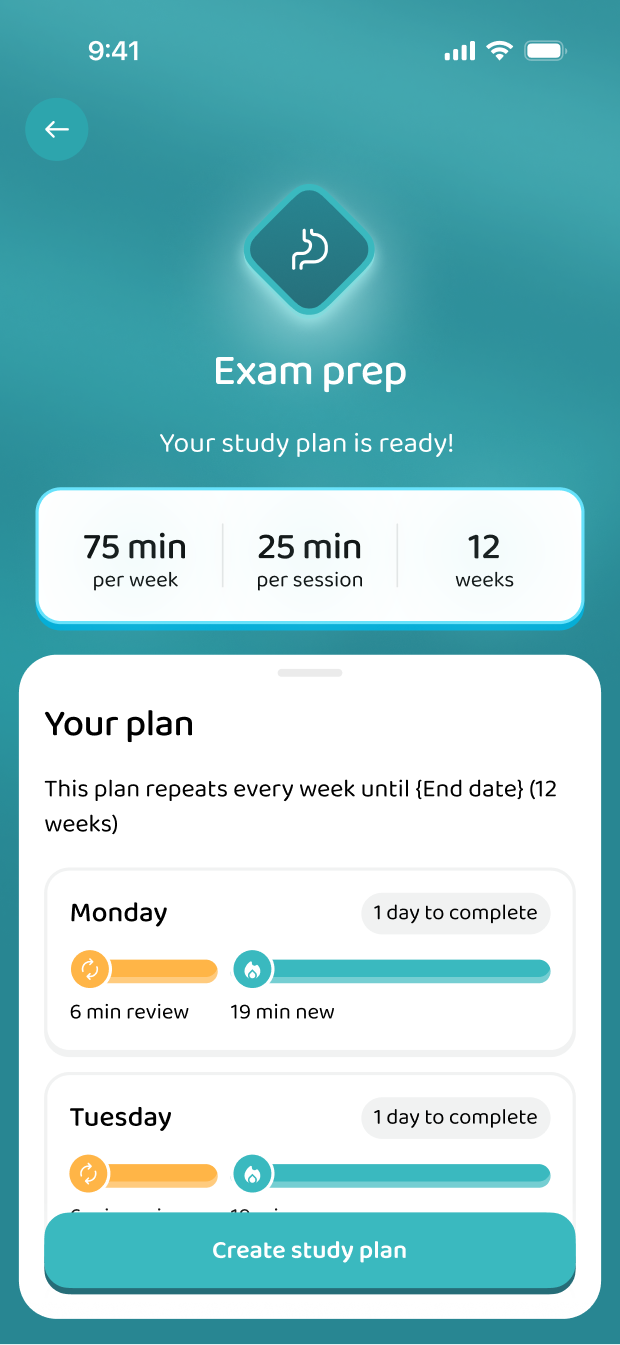
The finished study plan
  • Every topic, under its own code

    The course follows the AP Chemistry specification in order, so you always know which part you are on and what is left.

  • You answer instead of rereading

    Each lesson ends in questions, so you find out what you actually know before the exam does.

  • The app doesn't let you forget things

    Unit 1 keeps coming up in practice, so you know it in May, not just the unit your class finished last.

How it works

Learn it, answer it, practice it

Matt tells his own students to study by answering questions, not by rereading notes. The course is built that way: a lesson, then questions, then practice on what you missed.

01Lessons

Every point explained first

Unit 1 to Unit 9 in the order of the Course and Exam Description, with each lesson numbered to its CED topic, plus a lab-skills lesson for the AP labs. Each one explains the idea before it asks you anything about it.

  • 9 topics
  • 95 lessons
The AP Chemistry topics and lessons in the Voovo app
02Practice

Then the app asks you

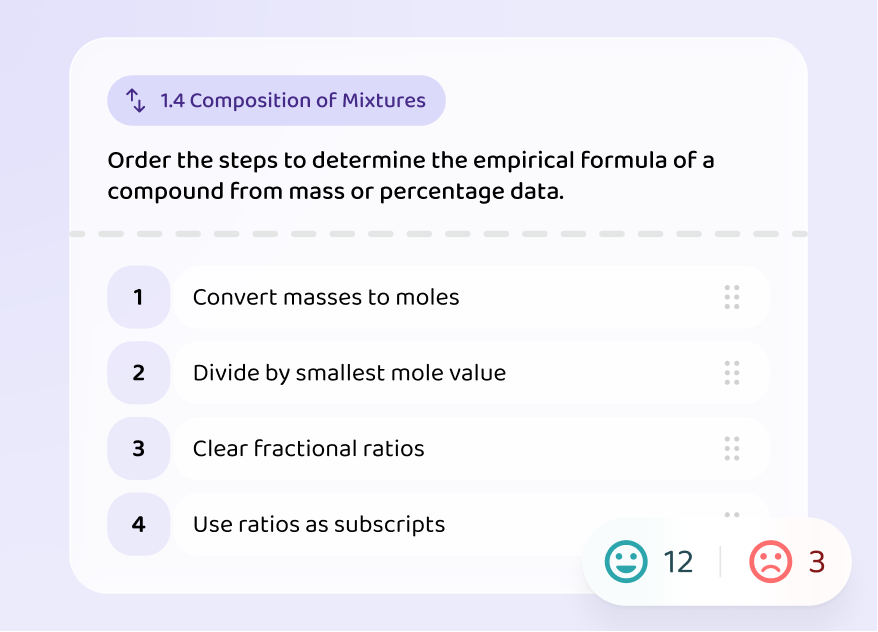
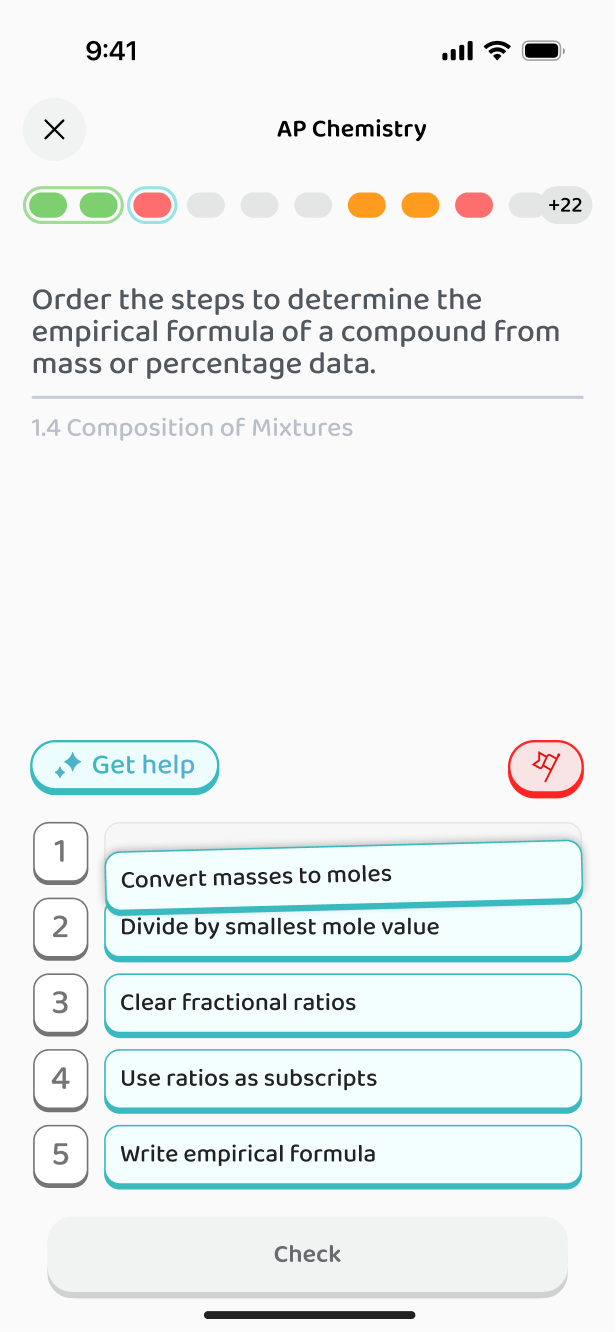
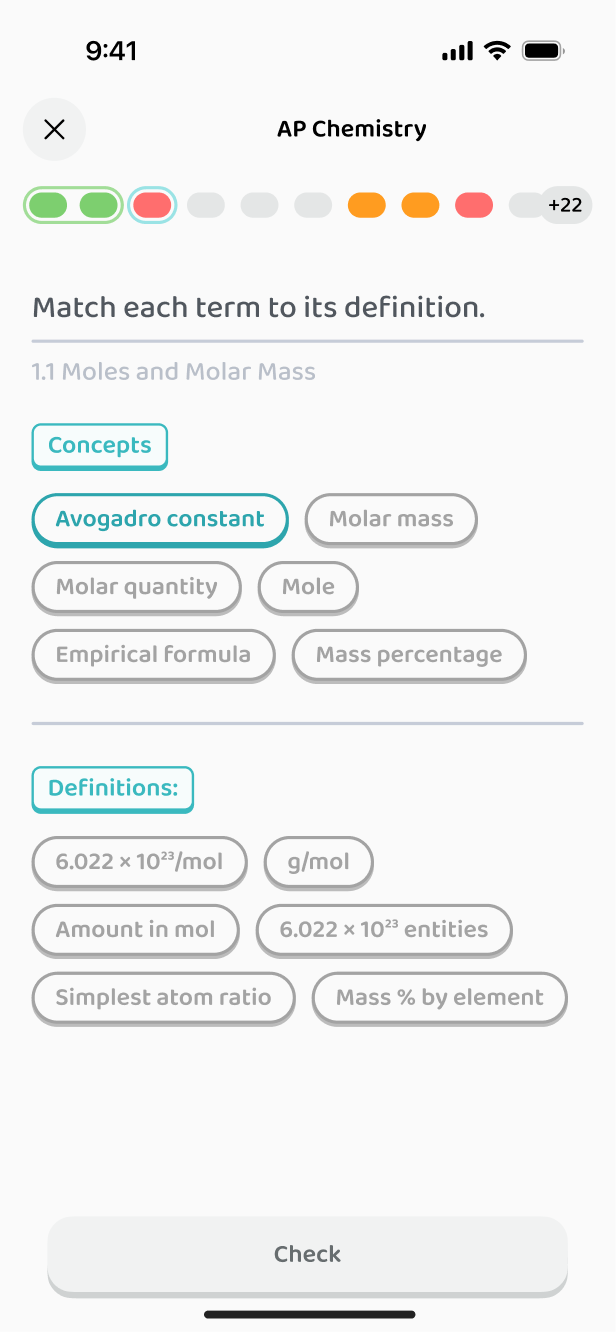
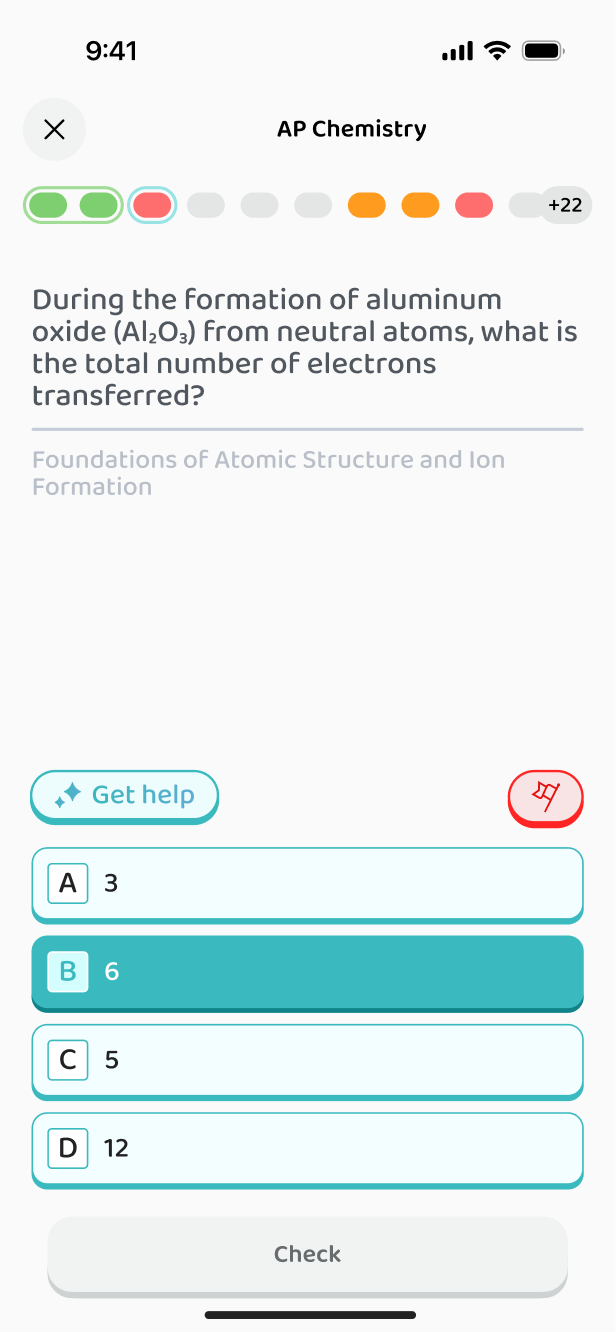
Put the steps to an empirical formula in order. Match Avogadro's constant and molar mass to their definitions. Count the electrons transferred when aluminum oxide forms.

  • Twelve question formats
  • You see where you stand
A AP Chemistry exercise in the Voovo app
03Repetition

Older topics come back

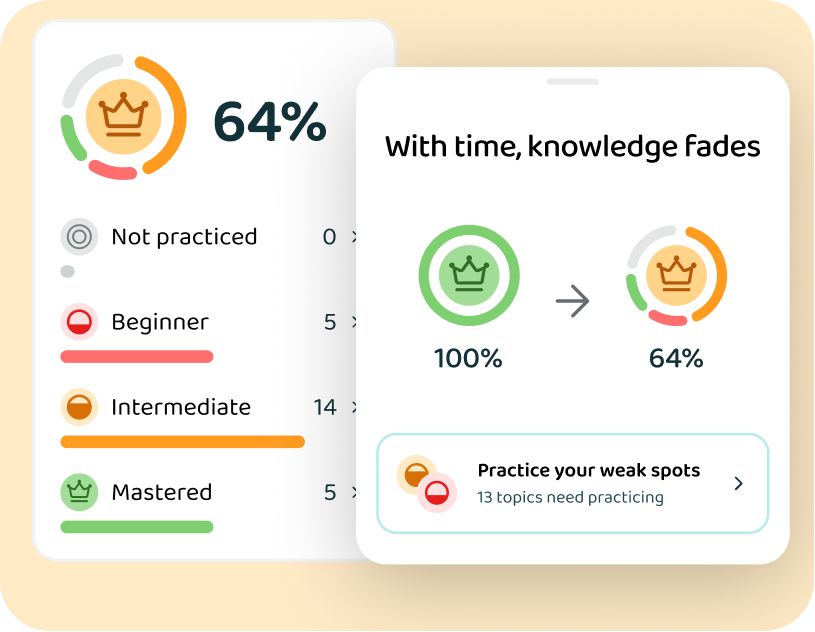
What you miss comes back within days, what you know comes back much later. So you still know Unit 1 in May, not just the last unit you learned.

  • Spaced practice
  • Nothing quietly fades
How repetition changes your mastery level in the Voovo app
04Help

Ask when you're stuck

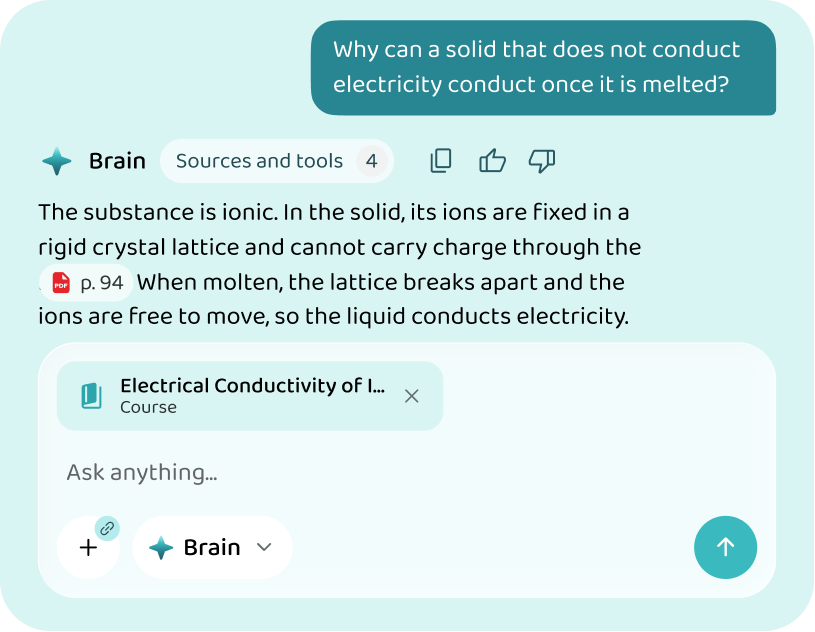
Type a question about any topic and the answer is drawn from this course's own lessons, with a link back to where it is explained. No weak sources, no AI hallucination.

  • Ask anything
  • Answers from the course
An answer drawn from the AP Chemistry course material
What's covered

The nine units of AP Chemistry

In the order of the Course and Exam Description, with each unit's share of the multiple-choice section.

AP Chemistry

  1. 1Atomic Structure and Properties7–9% of the exam
  2. 2Compound Structure and Properties7–9%
  3. 3Properties of Substances and Mixtures18–22%
  4. 4Chemical Reactions7–9%
  5. 5Kinetics7–9%
  6. 6Thermochemistry7–9%
  7. 7Equilibrium7–9%
  8. 8Acids and Bases11–15%
  9. 9Thermodynamics and Electrochemistry7–9%
My Courses

Find your perfect course

Courses from Chemistry Student, organized into focused paths so you can start with the right next lesson.

Loading marketplace courses...Pulling live offerings from the marketplace.
Planning

Learn with a personalized study plan

Put in the date and the app spreads all nine units across the weeks you have, with review built in, so April is for practice and not for catching up.

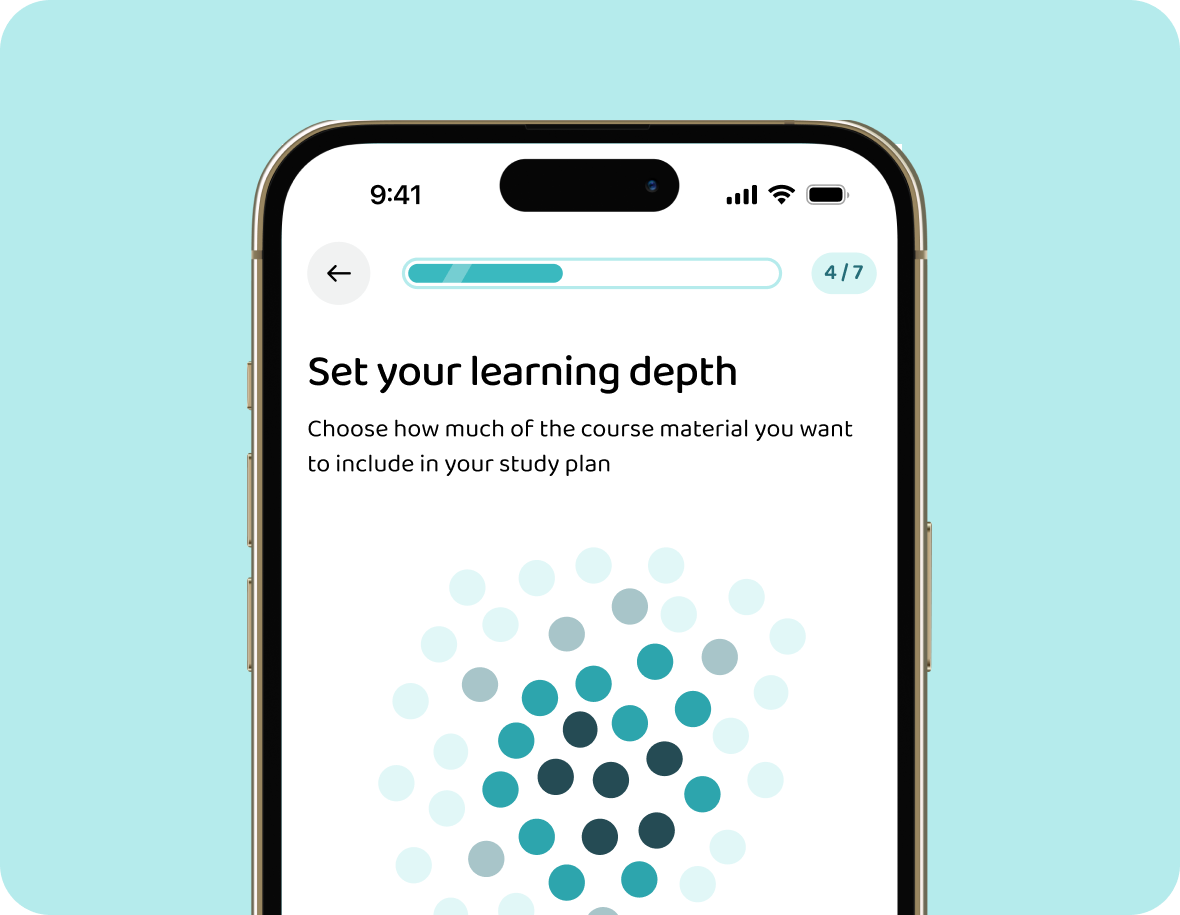
  • Choosing how much of the course to include
    1

    Choose the depth

    Everything in the course, or the essentials first. You decide how much goes into the plan.

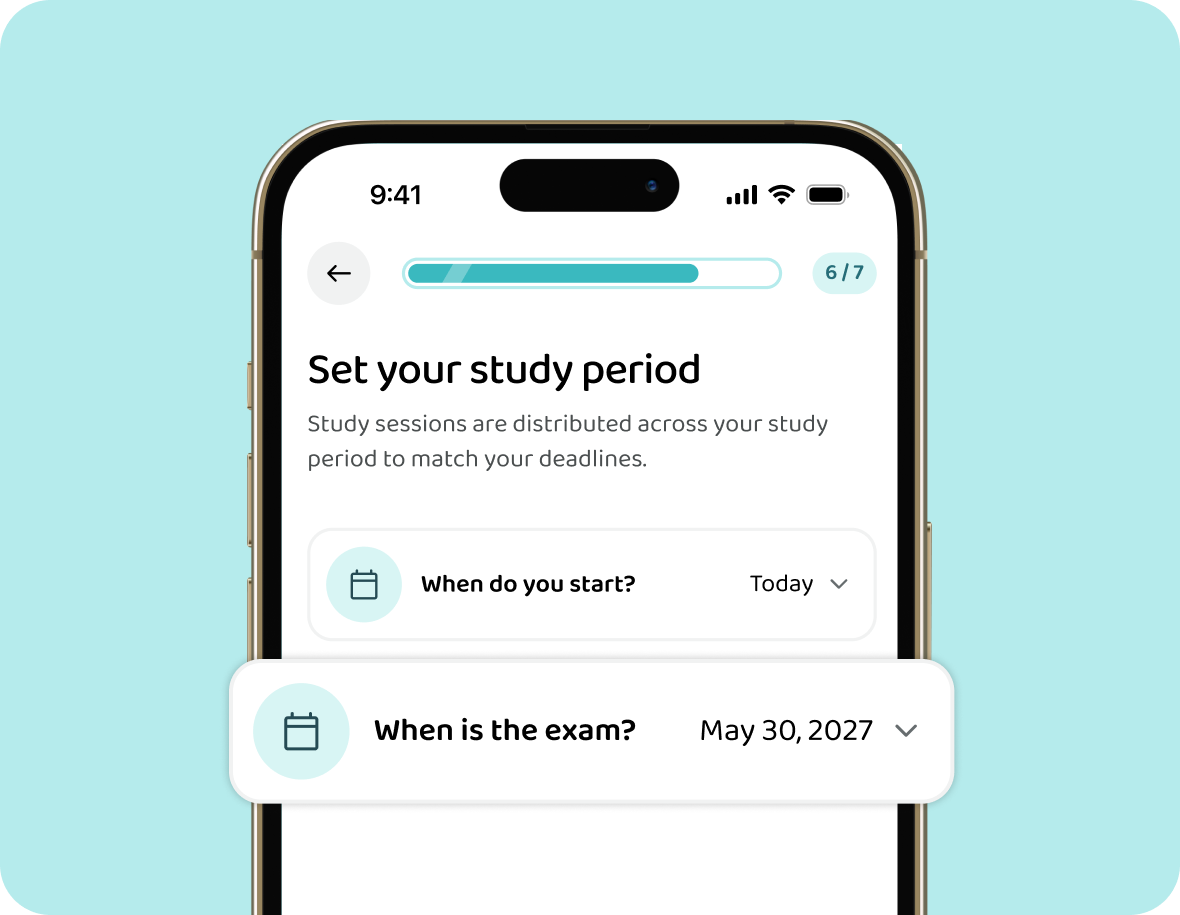
  • Setting the exam date in the study planner
    2

    Set the date

    May 6, 2027. The course is spread across the time you have until then.

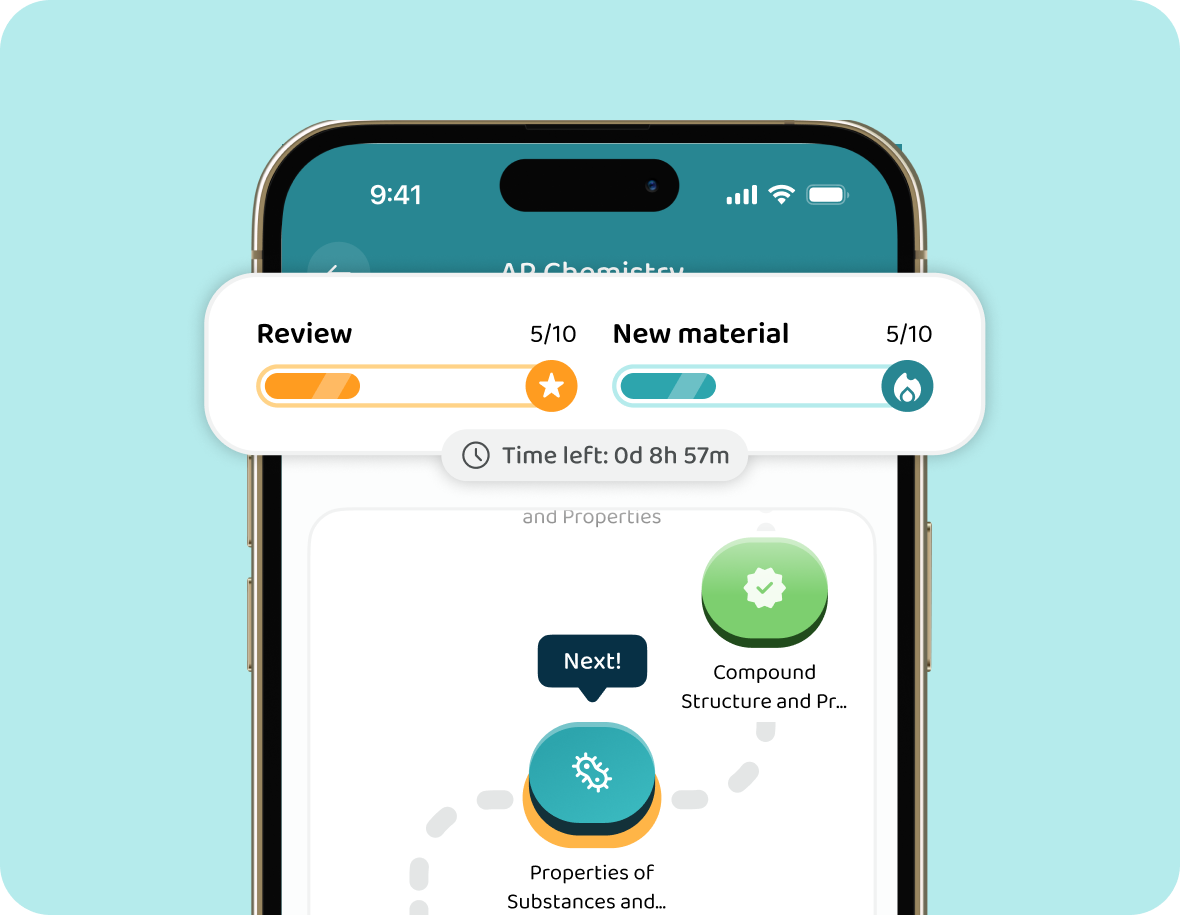
  • A day's plan of new material and review
    3

    Follow the plan

    Each day mixes new lessons with the topics you are about to forget, so you never have to decide what to do next.

How you practise

Twelve ways you can practice

Ordering, matching, tables, labeling a diagram, fill in the blank, flashcards. The same idea gets asked more than one way, so you learn the chemistry, not the look of the answer.

Ordering the steps to an empirical formula
Matching mole terms to their definitions
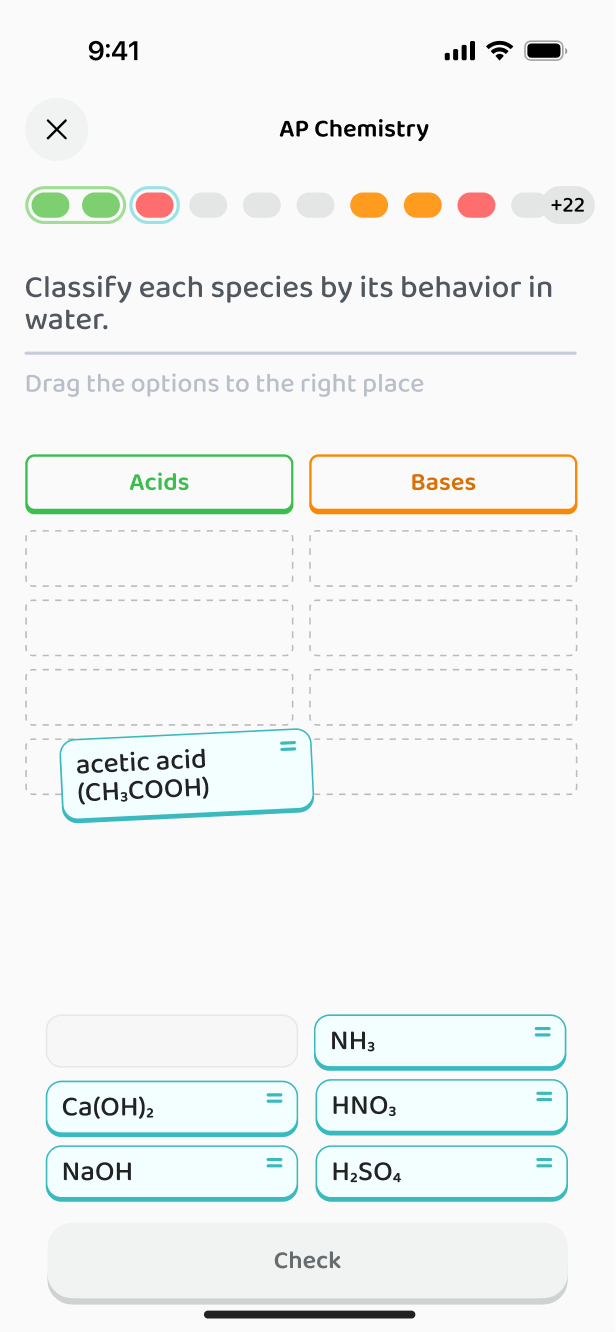
Sorting compounds into acids and bases
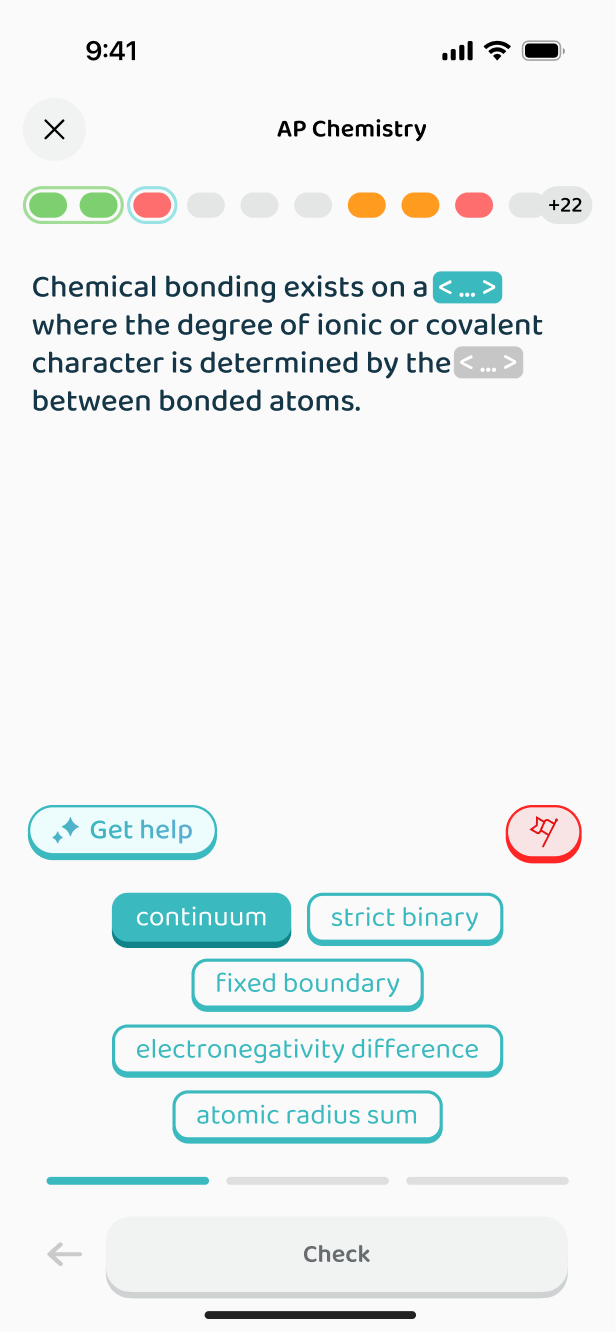
Filling in the bonding continuum
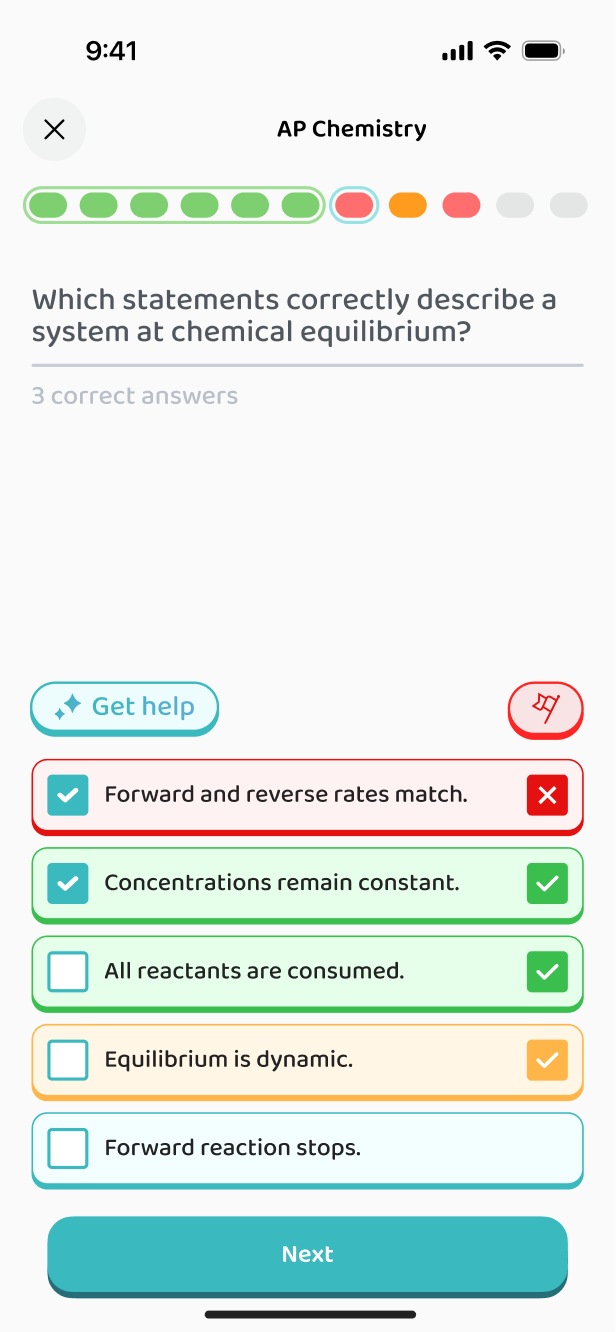
Choosing the true statements about equilibrium
Counting the electrons transferred in forming aluminum oxide
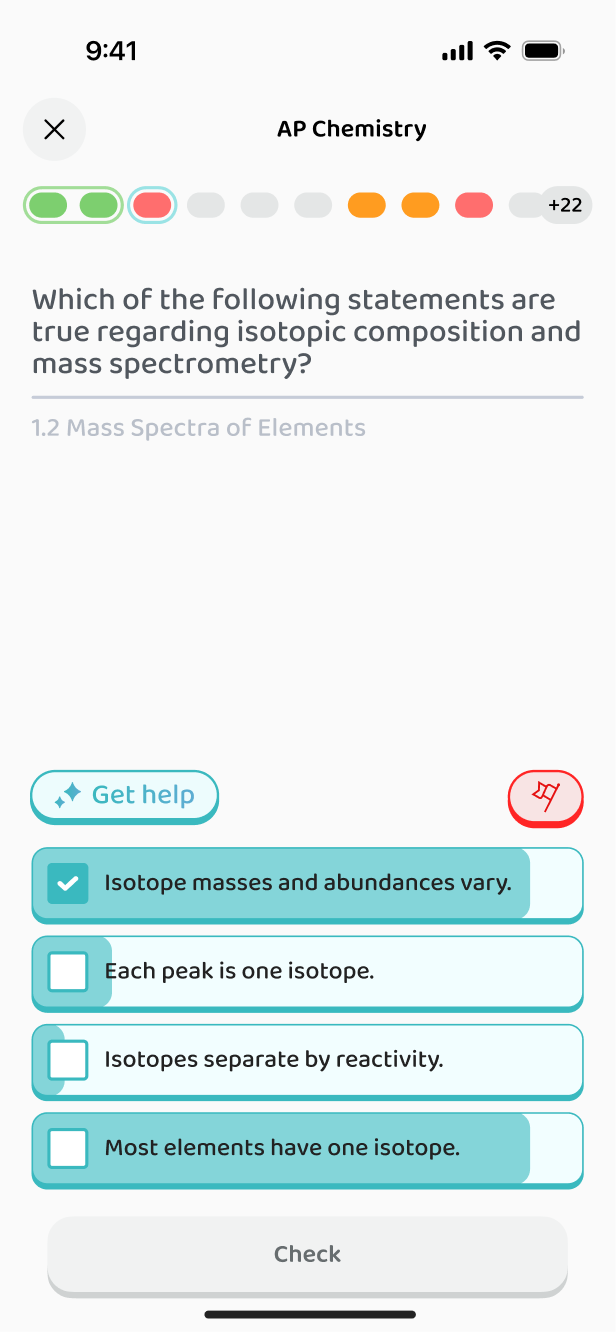
Isotopes and mass spectra, with what other students answered
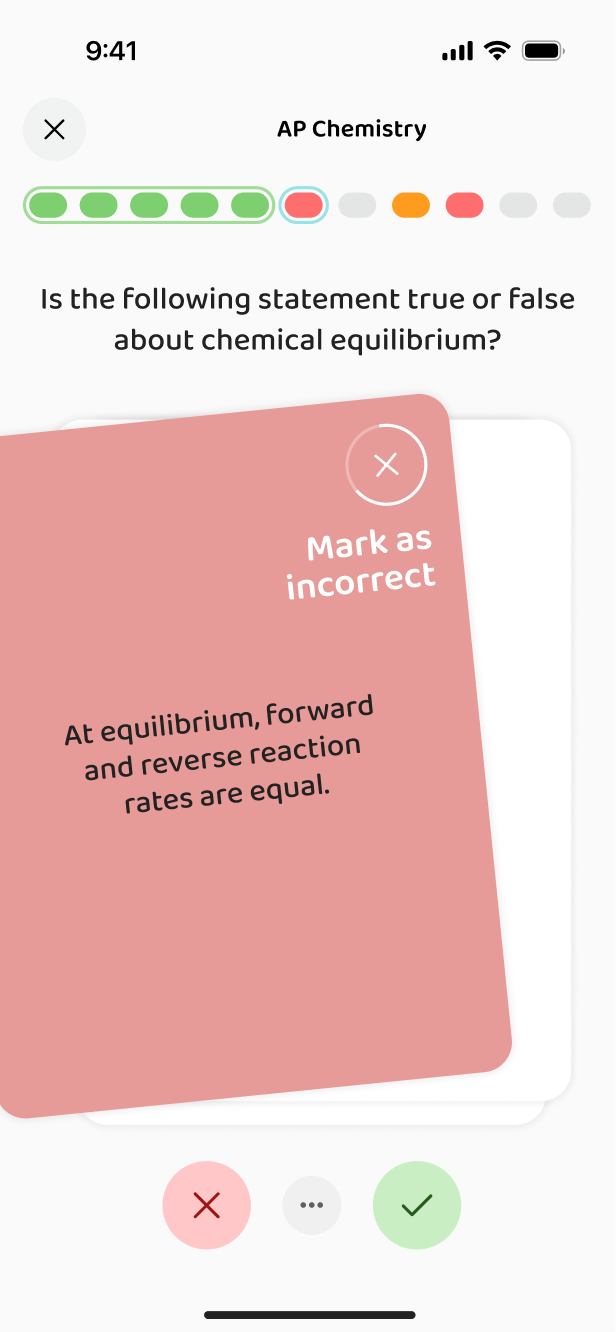
A true-or-false card on equilibrium
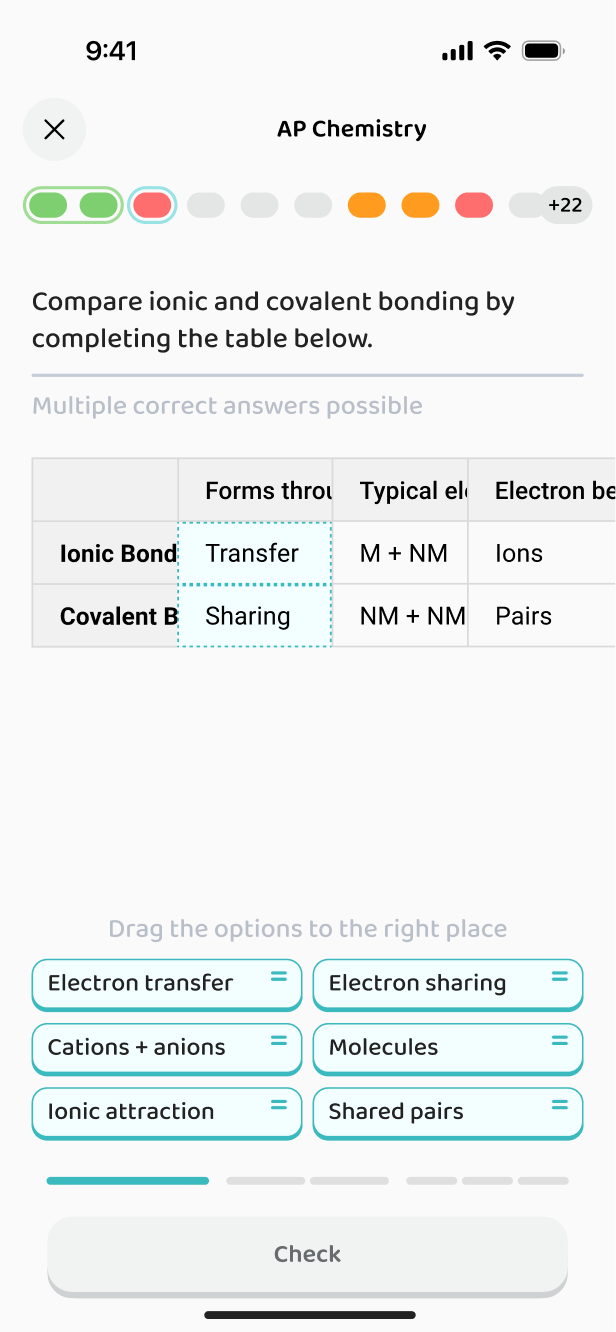
Comparing ionic and covalent bonding in a table
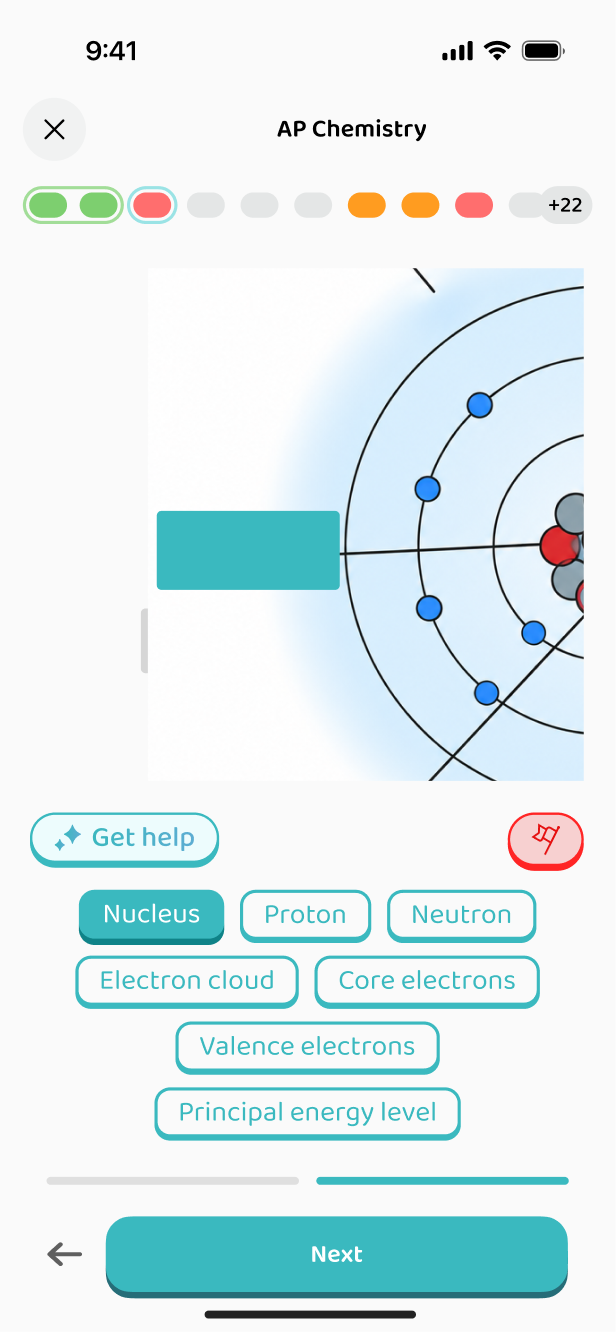
Labeling the parts of an atom
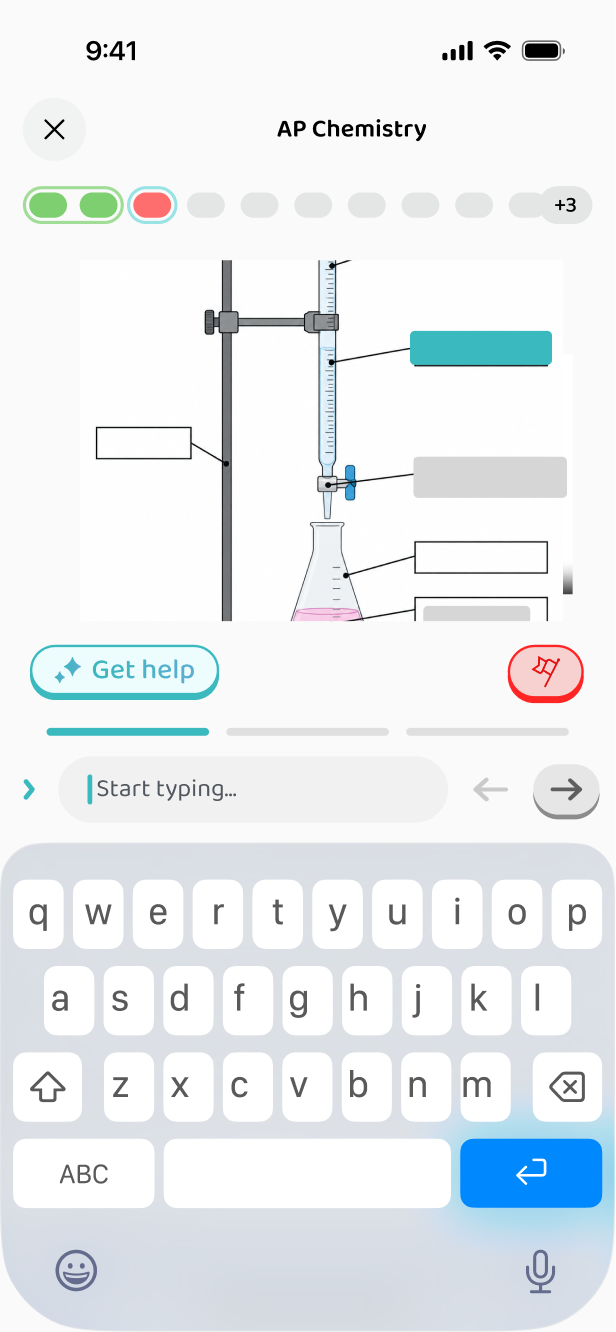
Typing the labels onto a titration setup
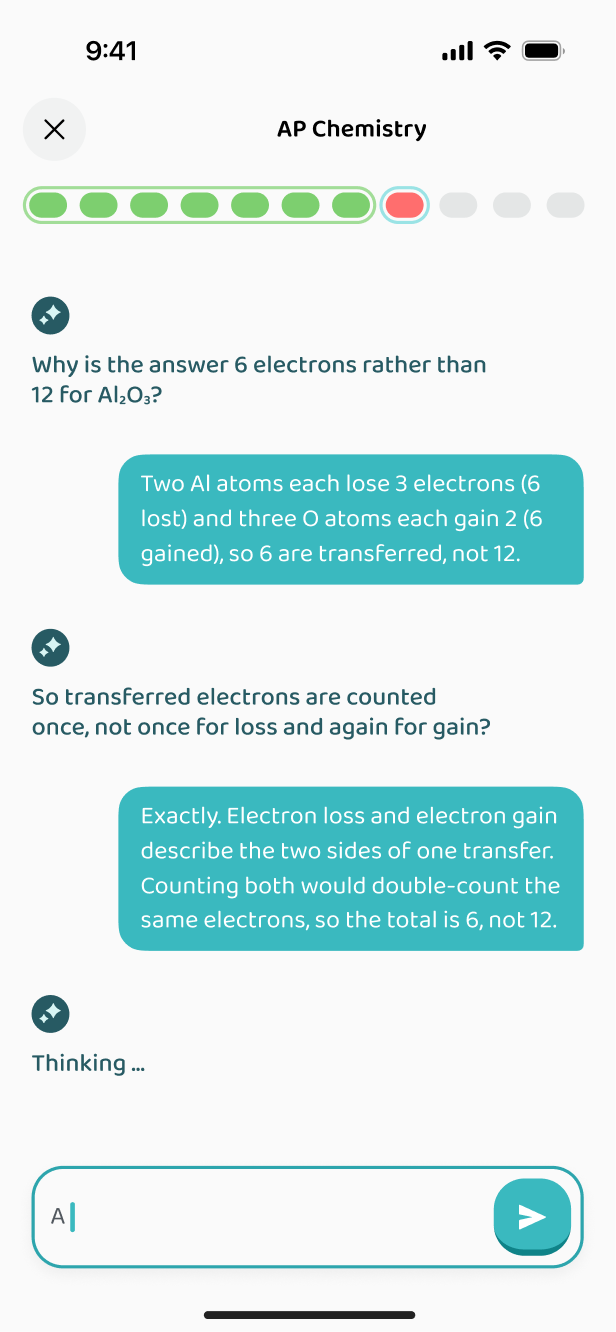
Asking why aluminum oxide transfers six electrons
Who's behind it

“Recap done, let's go!”

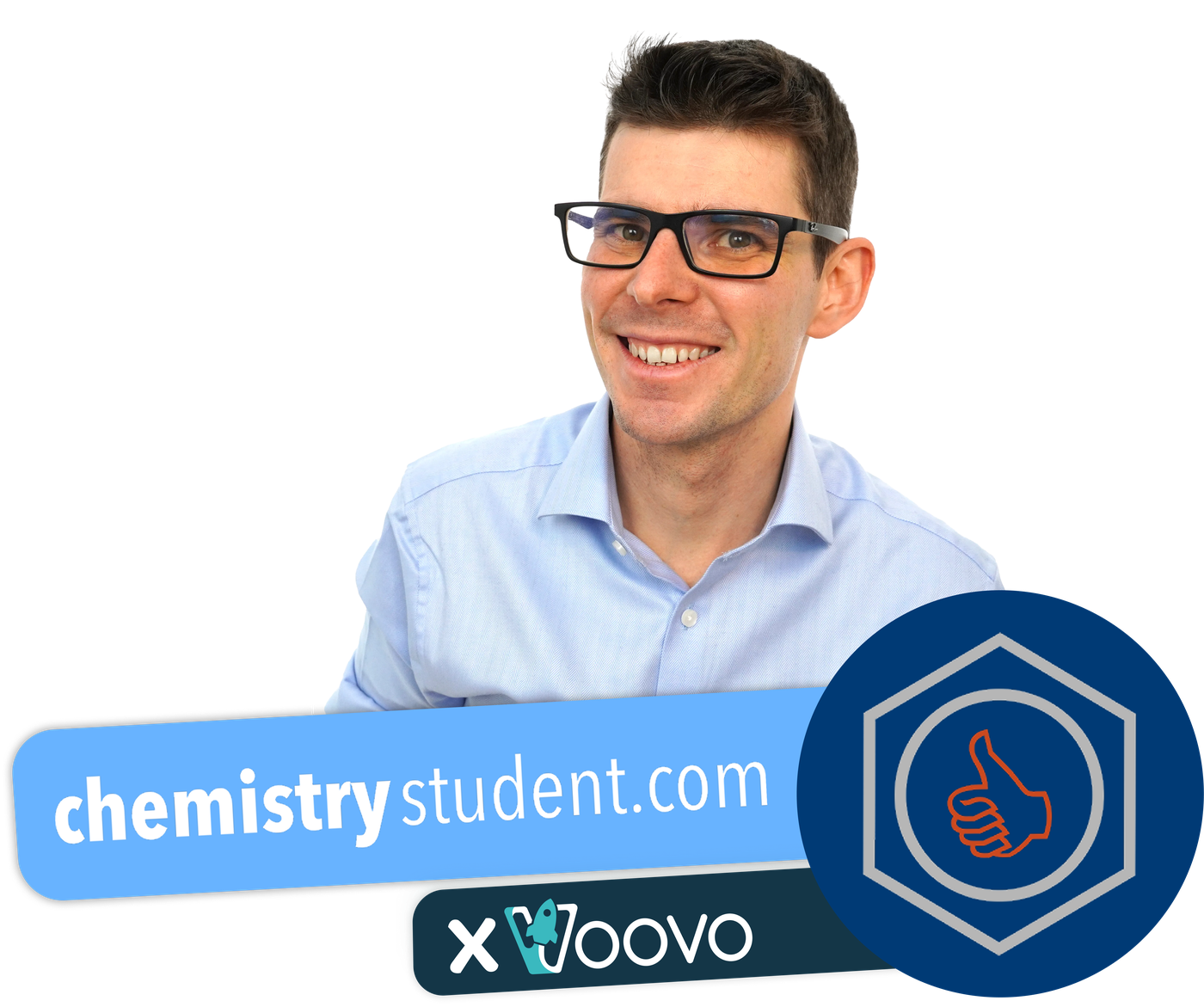
I'm a private chemistry tutor, and I started chemistrystudent.com in 2019 so the notes I use with my own students could be free for everyone.

Every page follows one course's syllabus, point by point, and every video starts with a recap of what you need to know first.

Reading notes feels like studying, but you learn far more by answering questions. So this course asks you about every point on your syllabus, until you master it. That is the best way to learn.

  • chemistrystudent.com, free since 2019
  • A full AP Chemistry unit series on YouTube
  • 31,000 subscribers on YouTube
Matt from chemistrystudent.com, with comments from students on his videos
Mattchemistrystudent.com · private A-level and IB chemistry tutor

Questions

Aren't Matt's notes free?

Yes, and they stay free on chemistrystudent.com. The course is where you work through the material in order and get quizzed on it, with the things you miss coming back before the exam.

Does it follow the College Board's course?

Yes. It follows the AP Chemistry Course and Exam Description unit by unit, with each lesson numbered to its CED topic, plus a lab-skills lesson for the AP labs. It isn't made or endorsed by College Board.

I'm self-studying. Will this work without a class?

Yes. All nine units are open from day one, and the plan sets the pace to May 6, so you aren't relying on a class to get through the course.

Does it grade free-response answers?

No. Every question in the app has a checkable answer, so it can't grade an FRQ. What it drills is what the FRQs are built from: the concepts, the calculations and the reasoning behind them.

For parents: what is this?

An AP Chemistry study course in the Voovo app, built with Matt, who runs chemistrystudent.com. It doesn't replace the class or a tutor; it's the practice in between. The price is on the course above.

Exam day

The exam is on May 6, 2027.

Start now, and every unit gets its turn before exam day.