01Lessons
Every point explained first
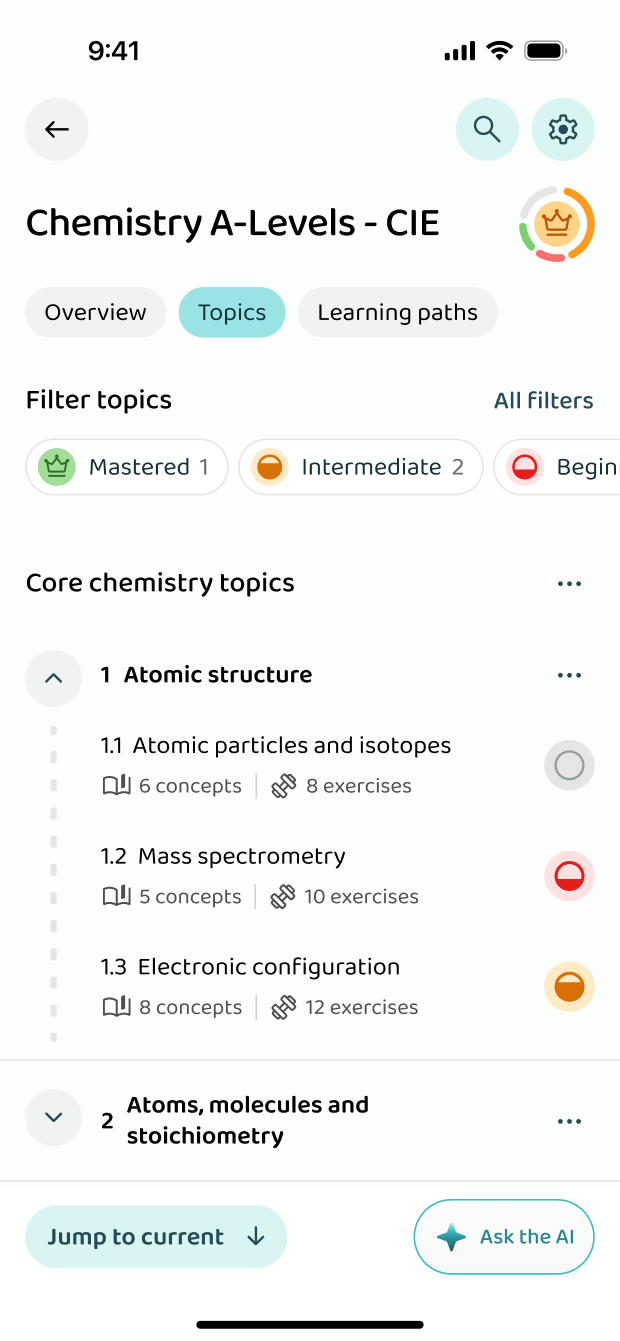
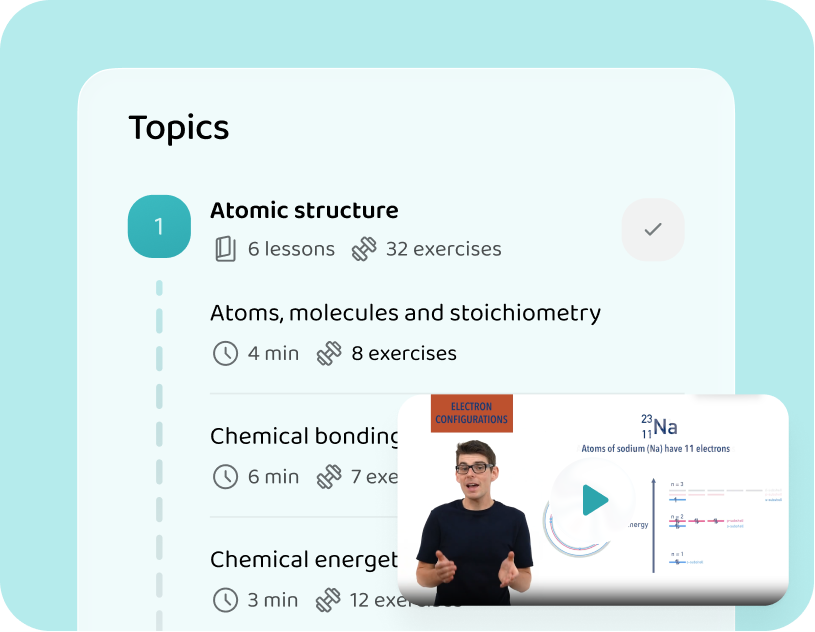
The 9701 syllabus topic by topic, from atomic structure to the chemistry of transition elements. Each lesson explains the idea before it asks you anything about it.
- 23 topics
- 126 lessons

 Chemistry Student & VoovoCambridge International AS & A Level Chemistry 9701Chemistry Student × Voovo
The Cambridge 9701 syllabus as lessons, questions and explanations, AS and A Level, built from Matt's chemistrystudent.com notes.
Multiple choice across all of AS, a little under two minutes a question. That speed only comes from knowing the facts cold.
Energetics, electrochemistry and equilibria return in the A Level topics, in more depth. You still have to know what you learned for AS.
Reagents, conditions, colours and tests across the whole syllabus. The wrong one loses the mark even when you understand the chemistry.
From atomic structure to the chemistry of transition elements, every topic has its lessons and its questions.
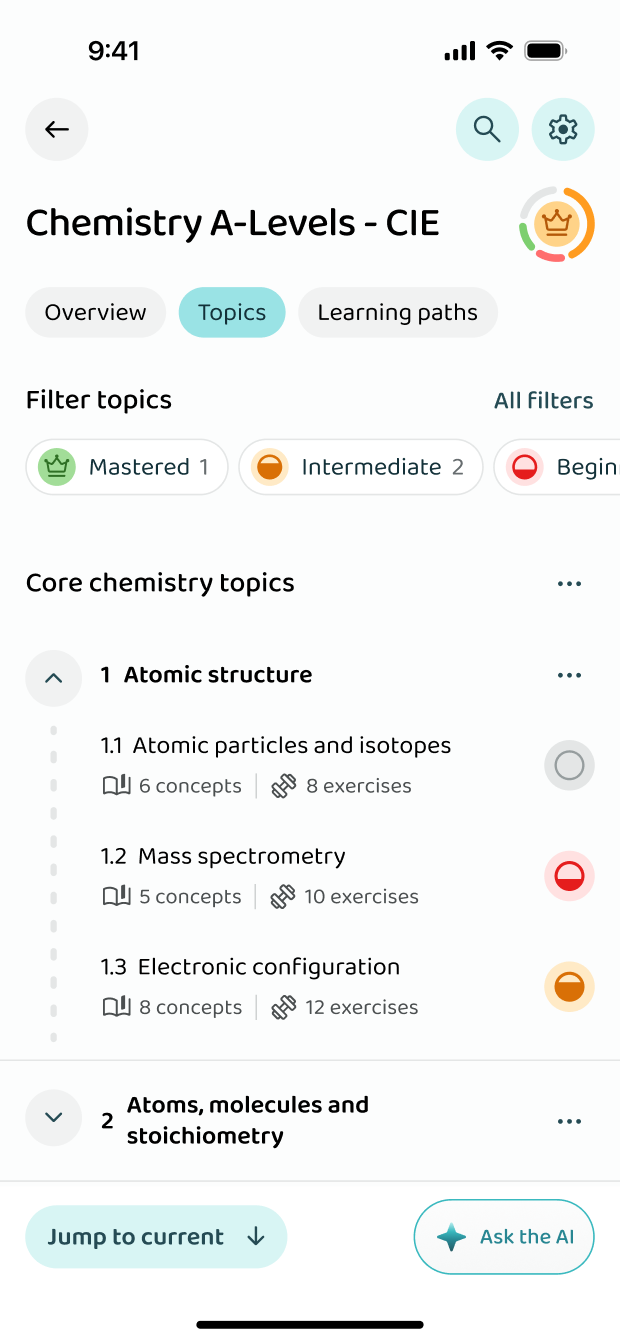
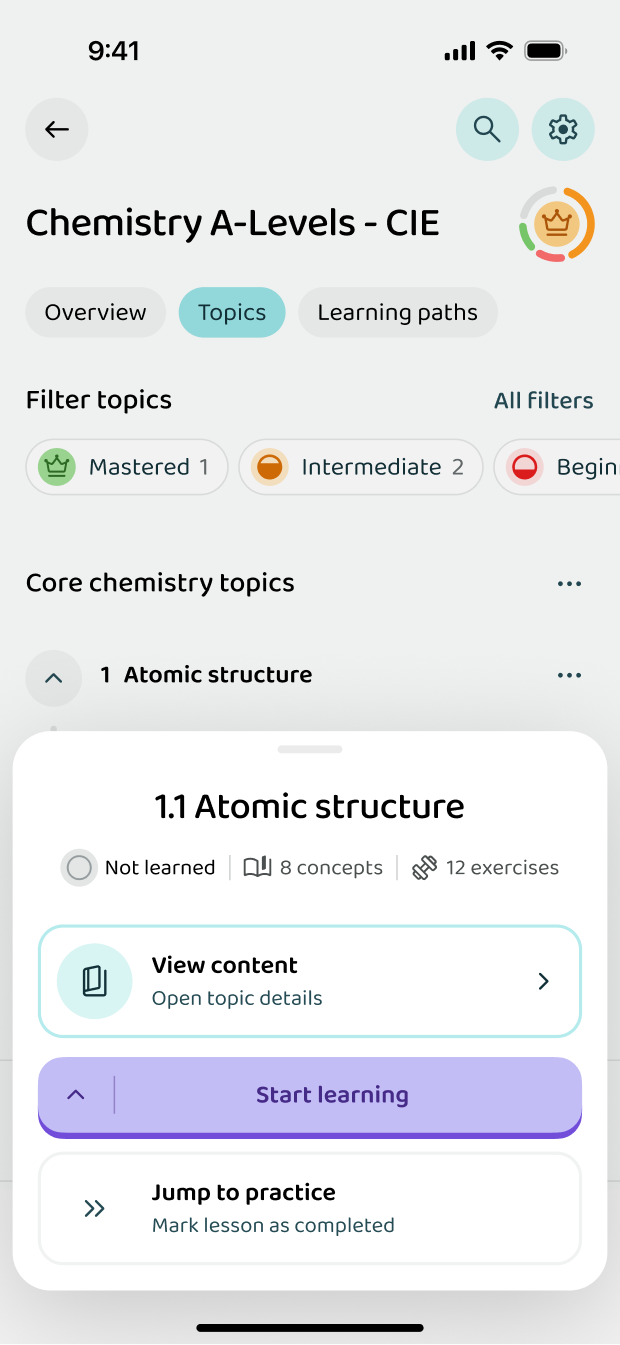
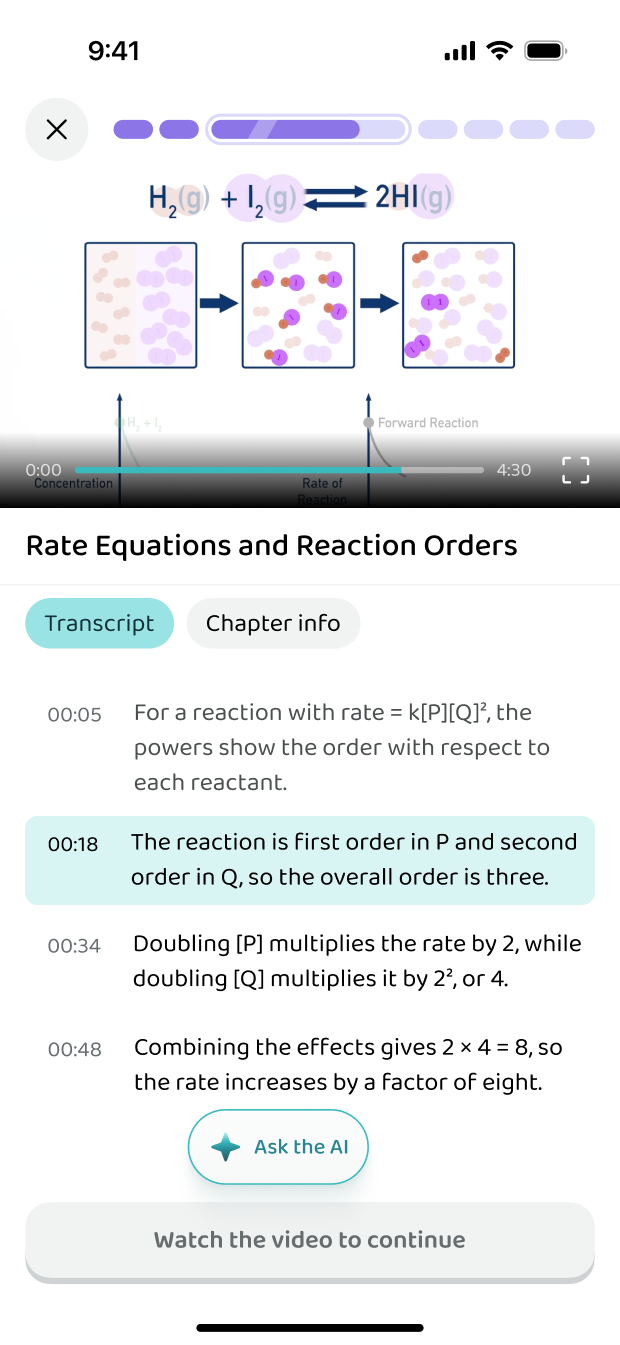
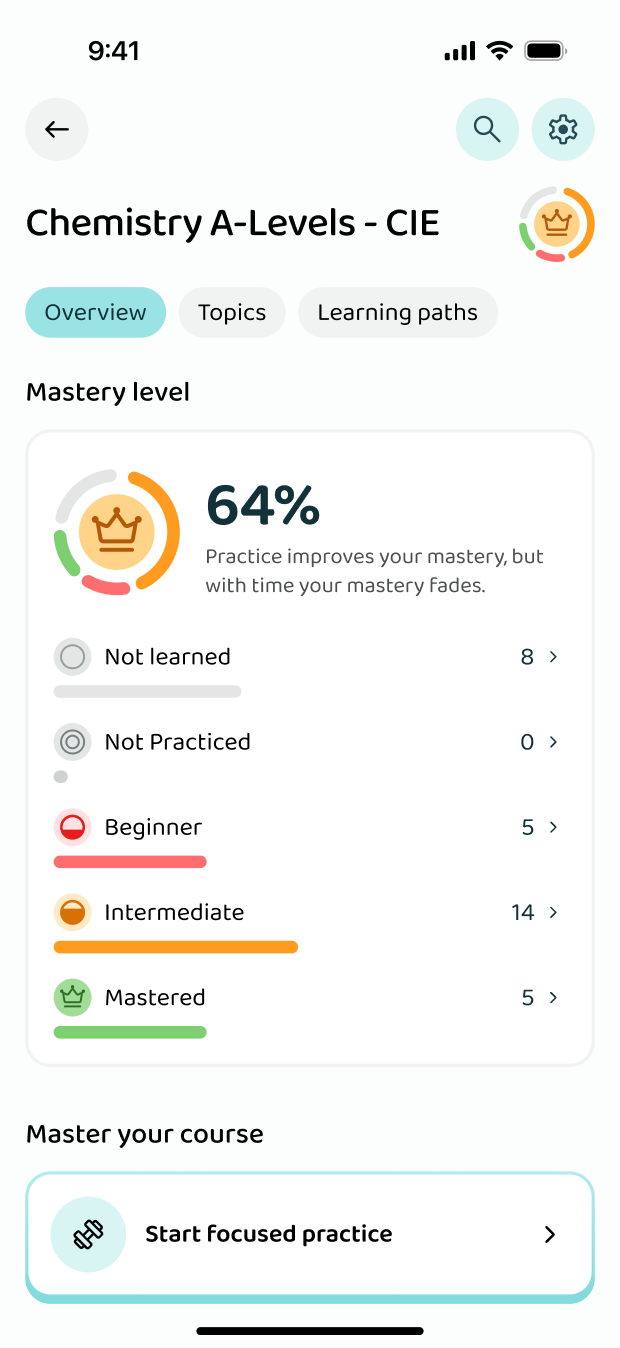
The course follows the Cambridge 9701 specification in order, so you always know which part you are on and what is left.
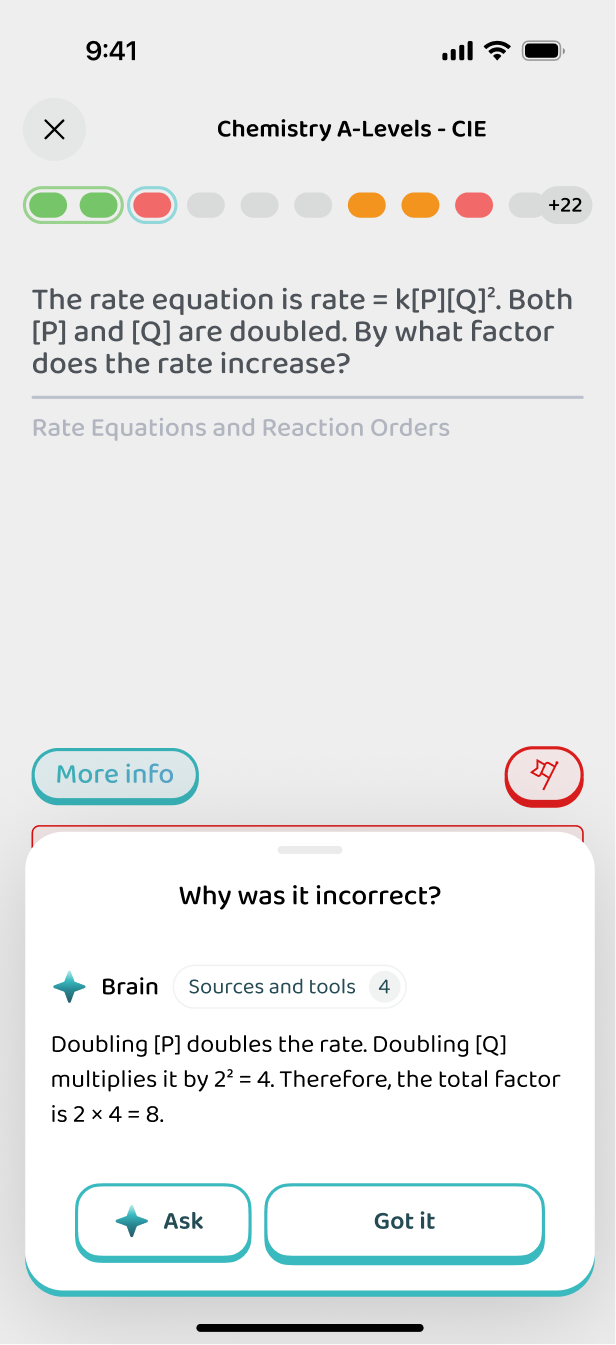
Each lesson ends in questions, so you find out what you actually know before the exam does.
What you learned for AS keeps coming up in practice, so it still feels fresh when the A Level papers arrive.
Matt tells his own students to revise by answering questions, not by re-reading notes. The course is built that way: a lesson, then questions, then practice on what you got wrong.
The 9701 syllabus topic by topic, from atomic structure to the chemistry of transition elements. Each lesson explains the idea before it asks you anything about it.
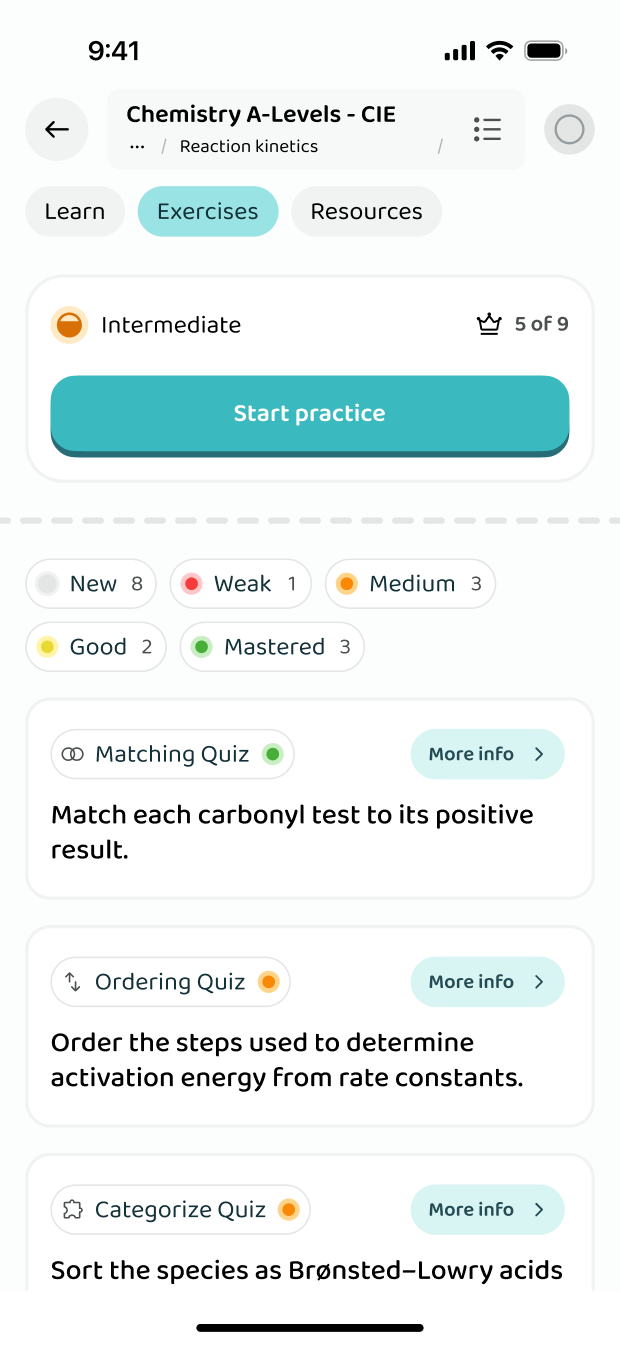
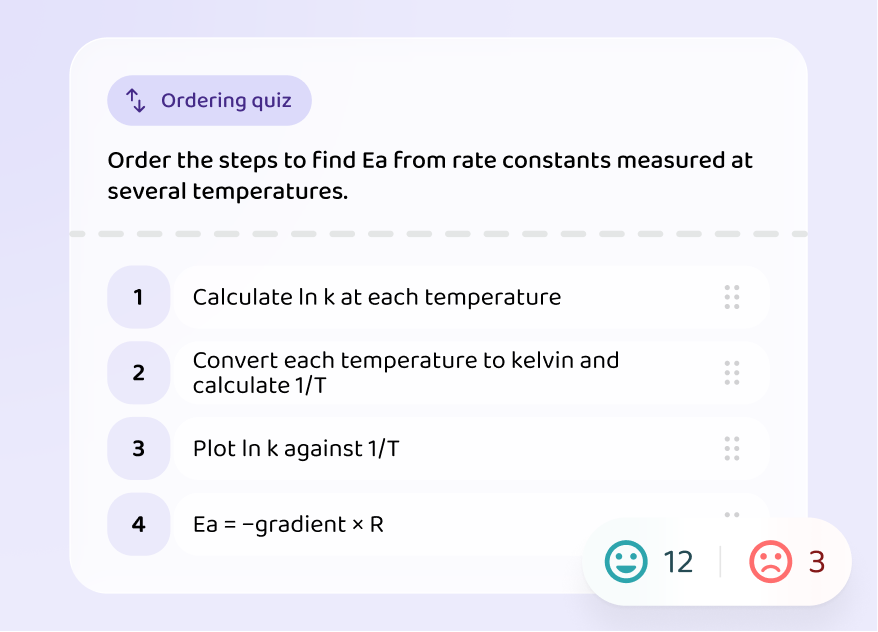
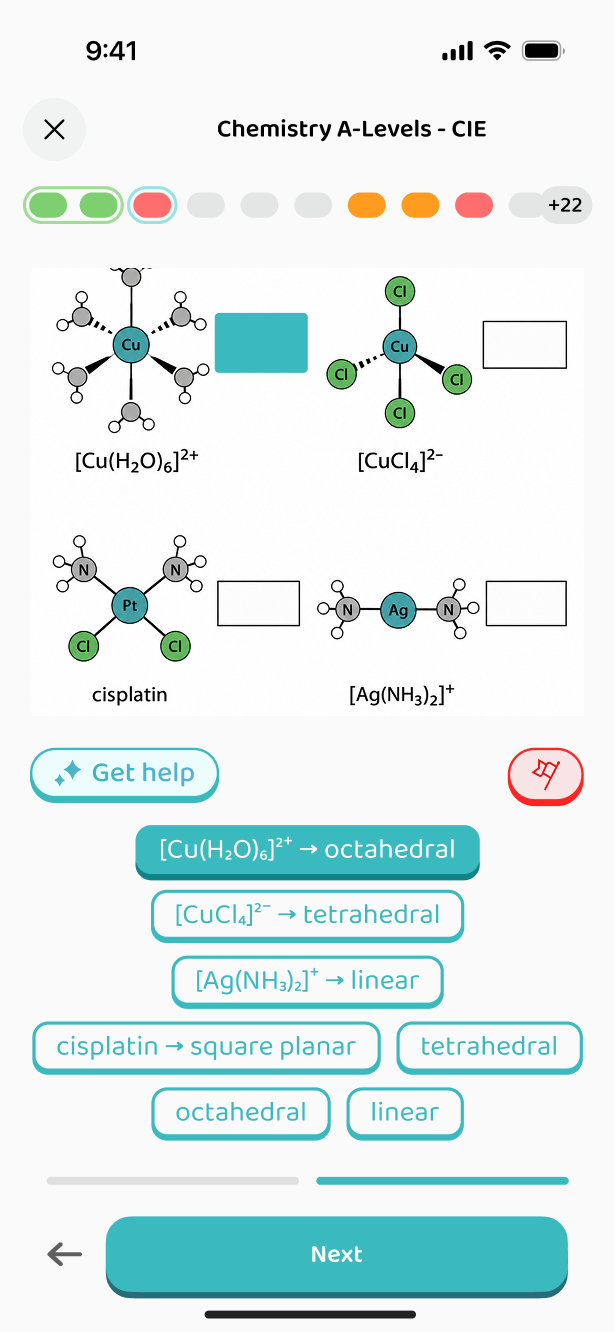
Answer a rate question the way Paper 1 asks it. Match Tollens' reagent and Fehling's solution to their results. Put the steps of the initial-rates method in order.
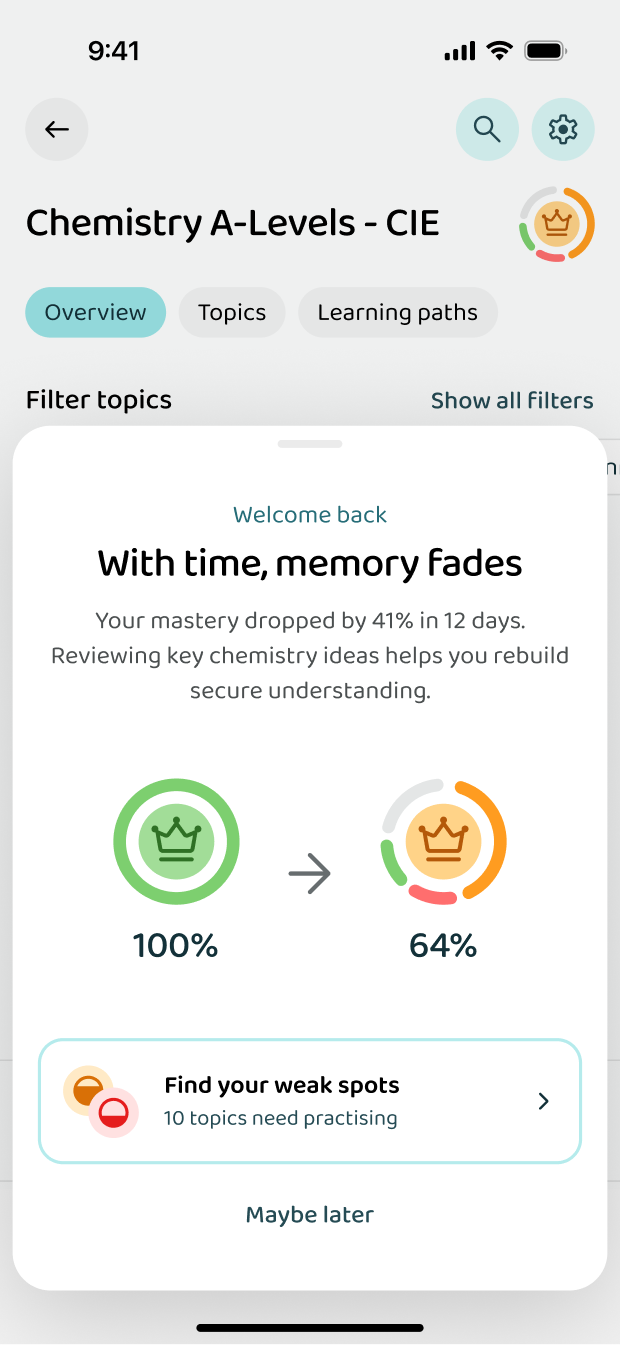
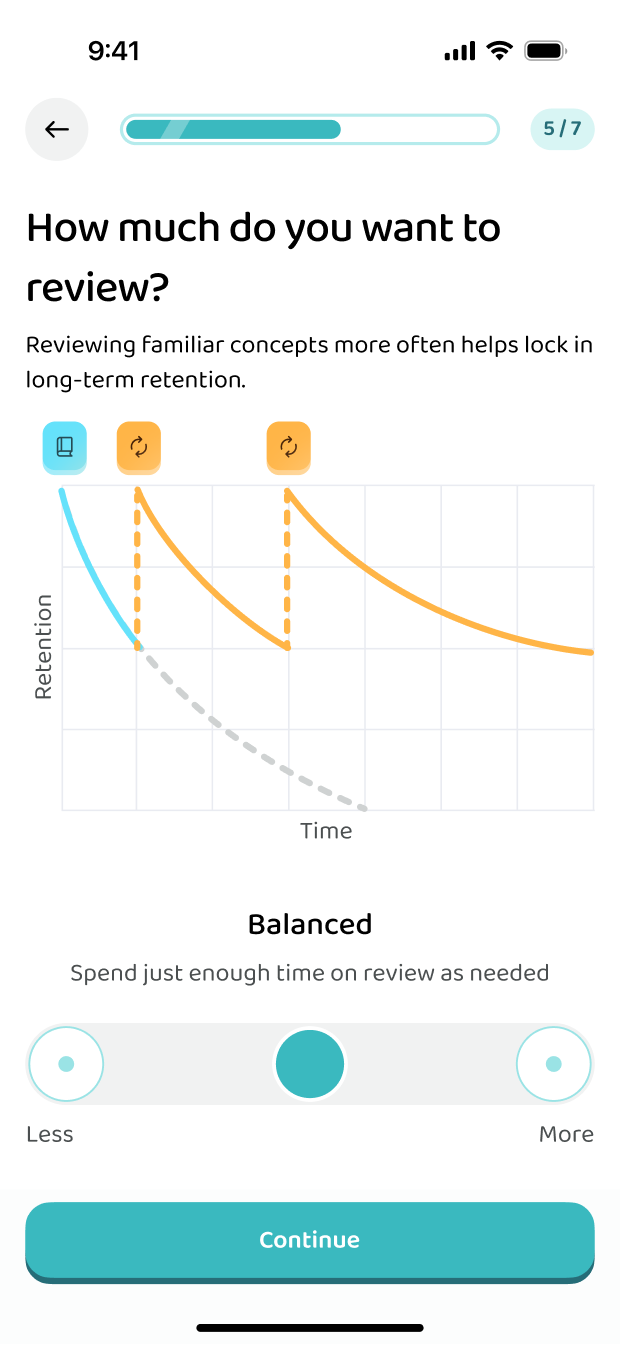
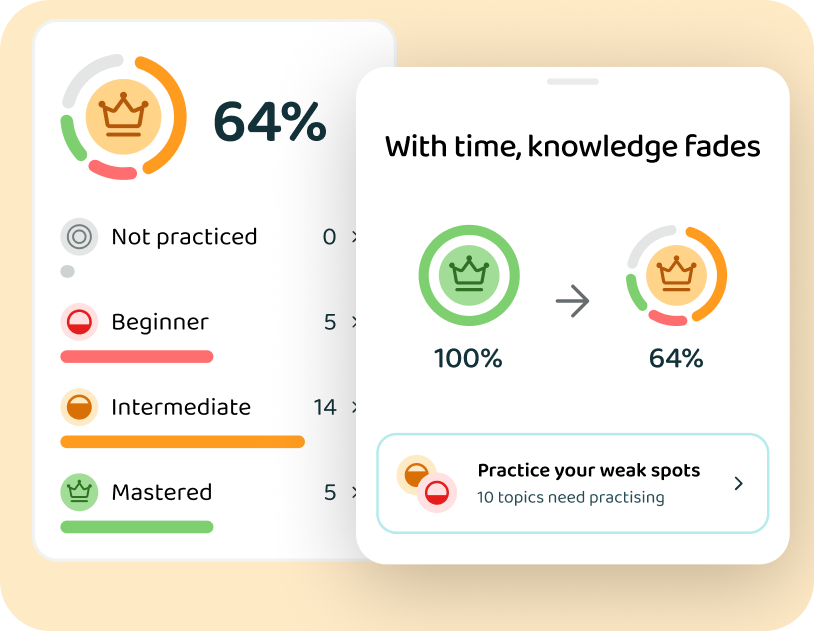
What you get wrong comes back within days, what you know much later. So AS energetics is still fresh when the A Level papers arrive.
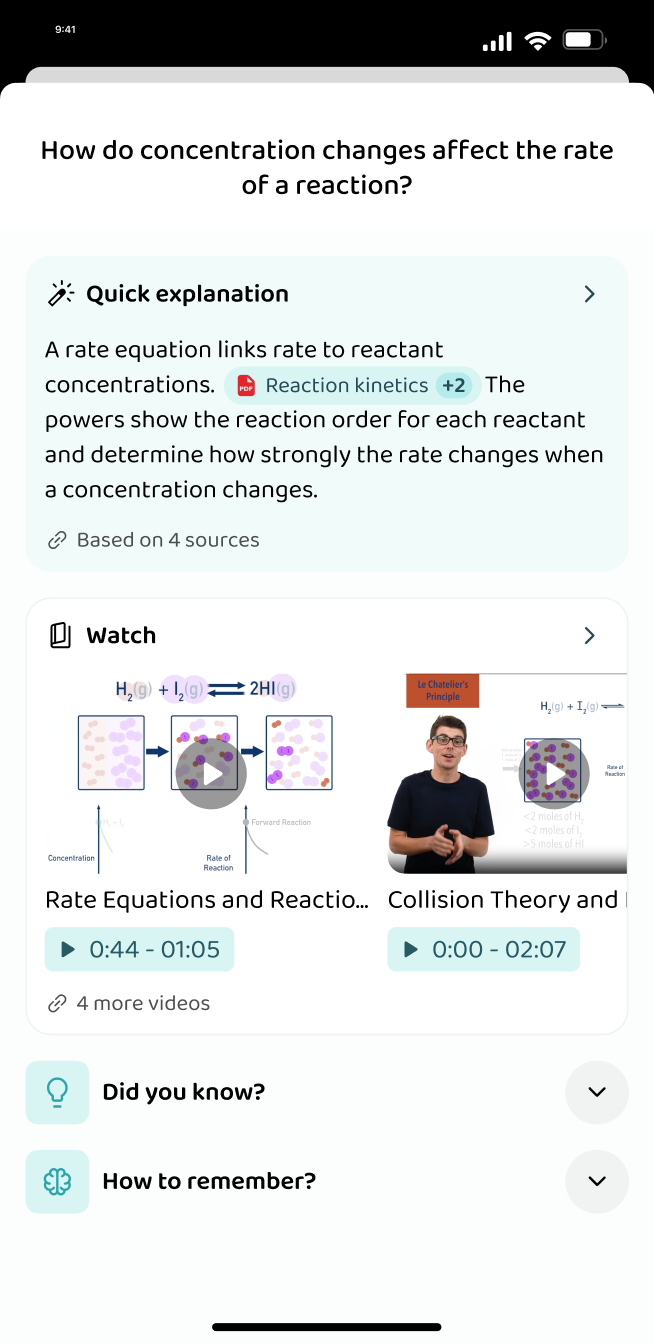
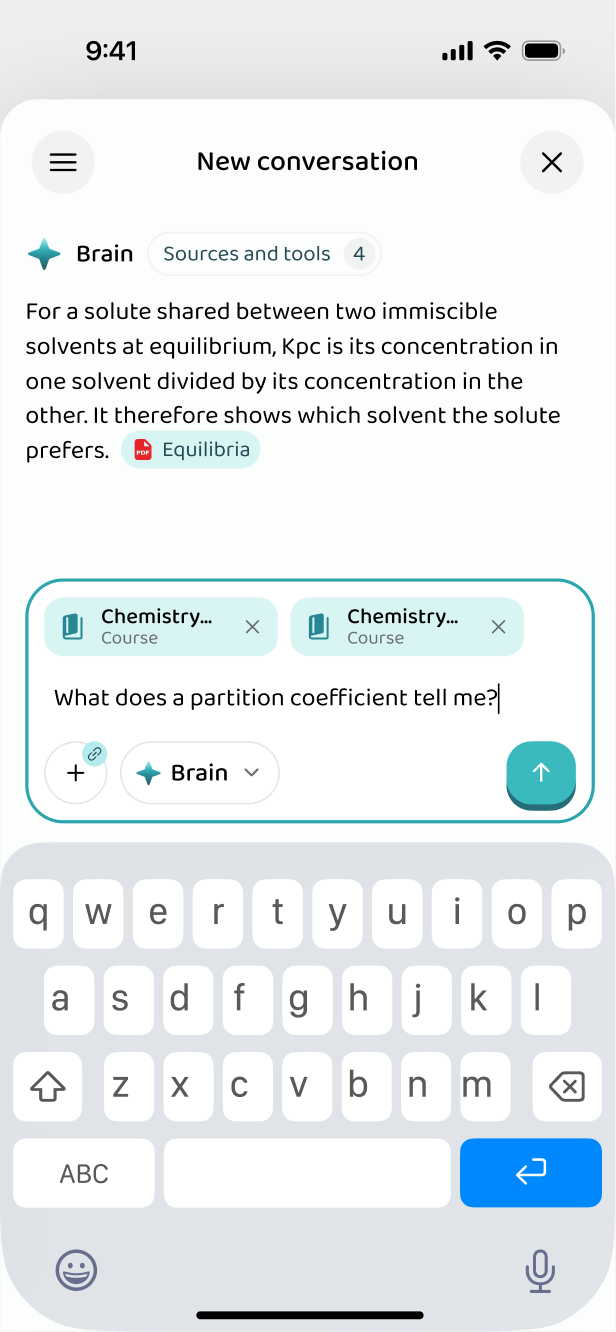
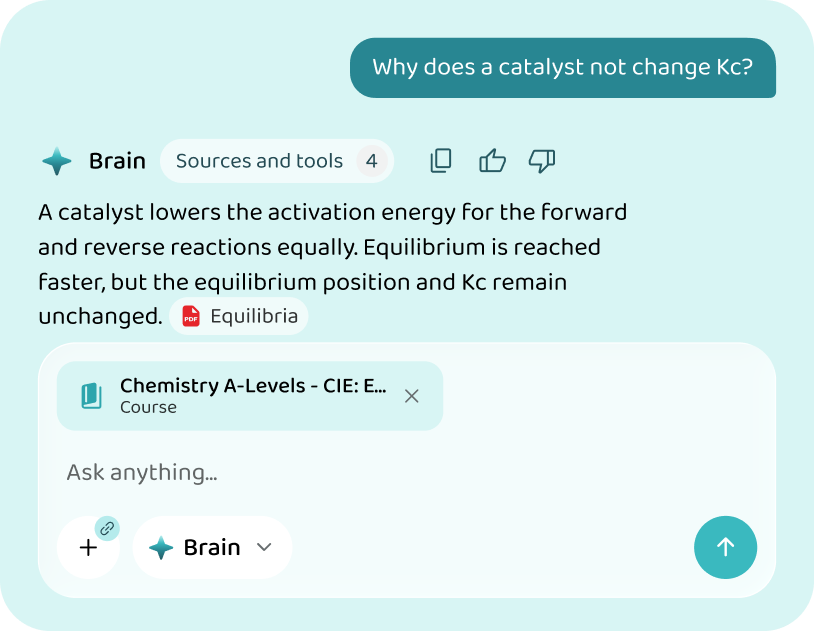
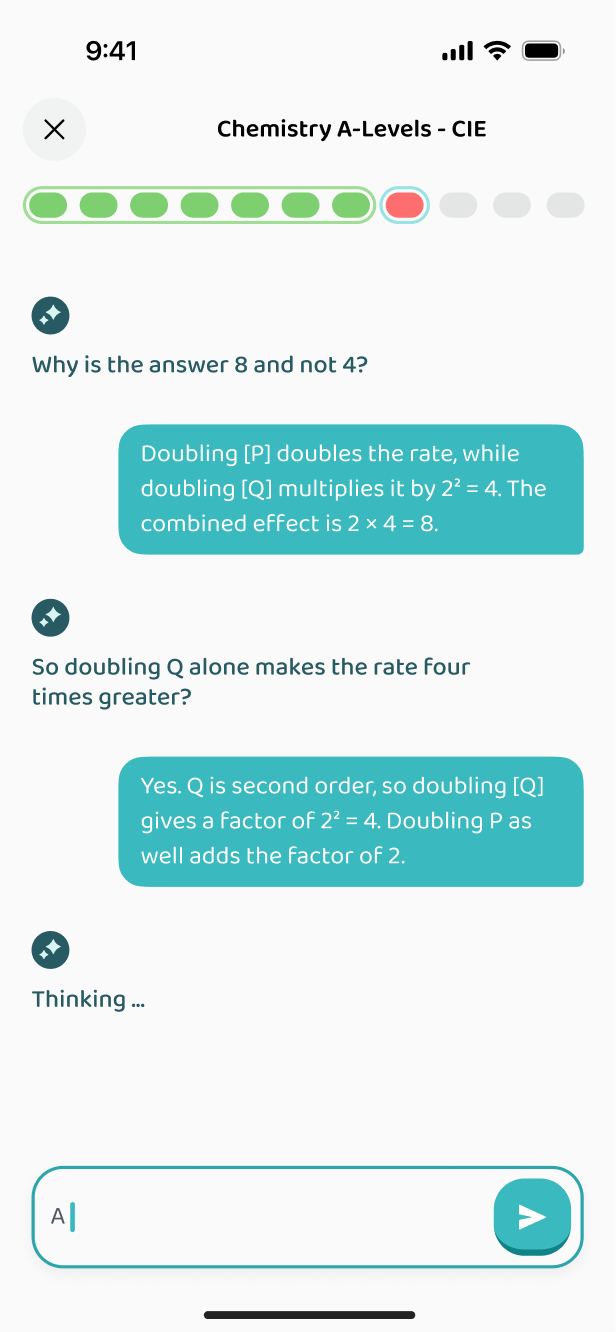
Type a question about any topic and the answer is drawn from this course's own lessons, with a link back to where it is explained. No weak sources, no AI hallucination.
The syllabus content examined in Papers 1, 2 and 4, topic by topic, with two lessons for the practical papers.
Courses from Chemistry Student, organized into focused paths so you can start with the right next lesson.
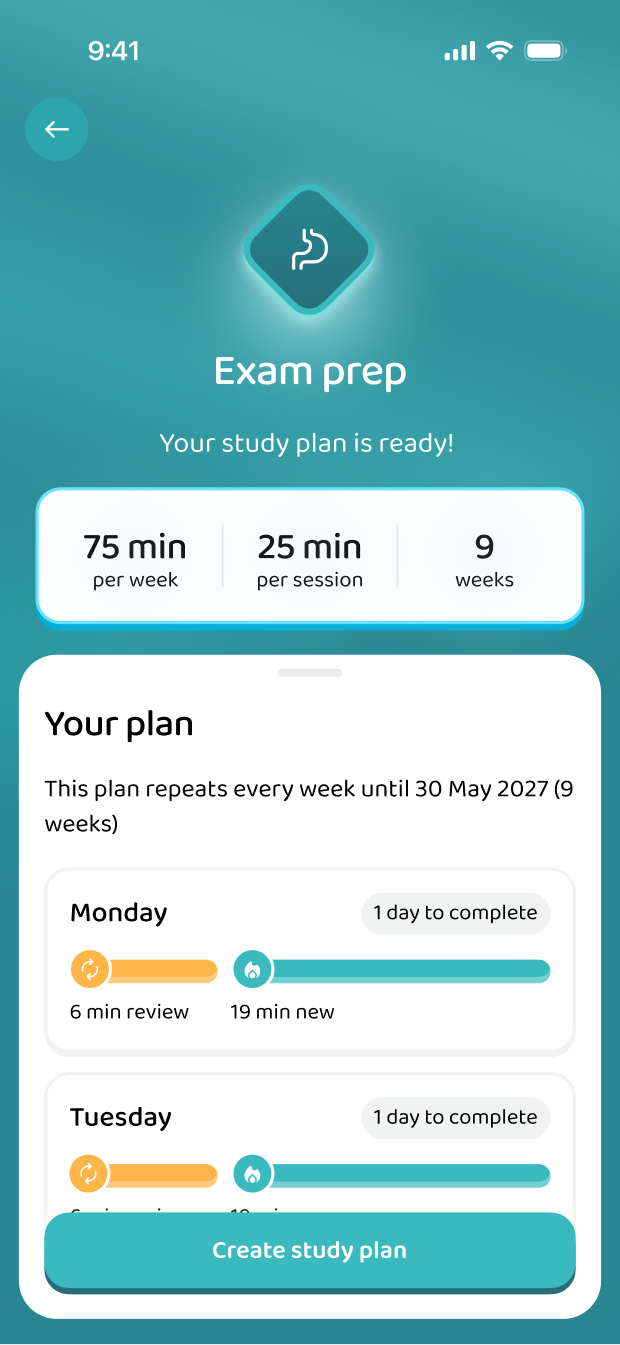
Put in your exam date and the app spreads the syllabus across the weeks you have.
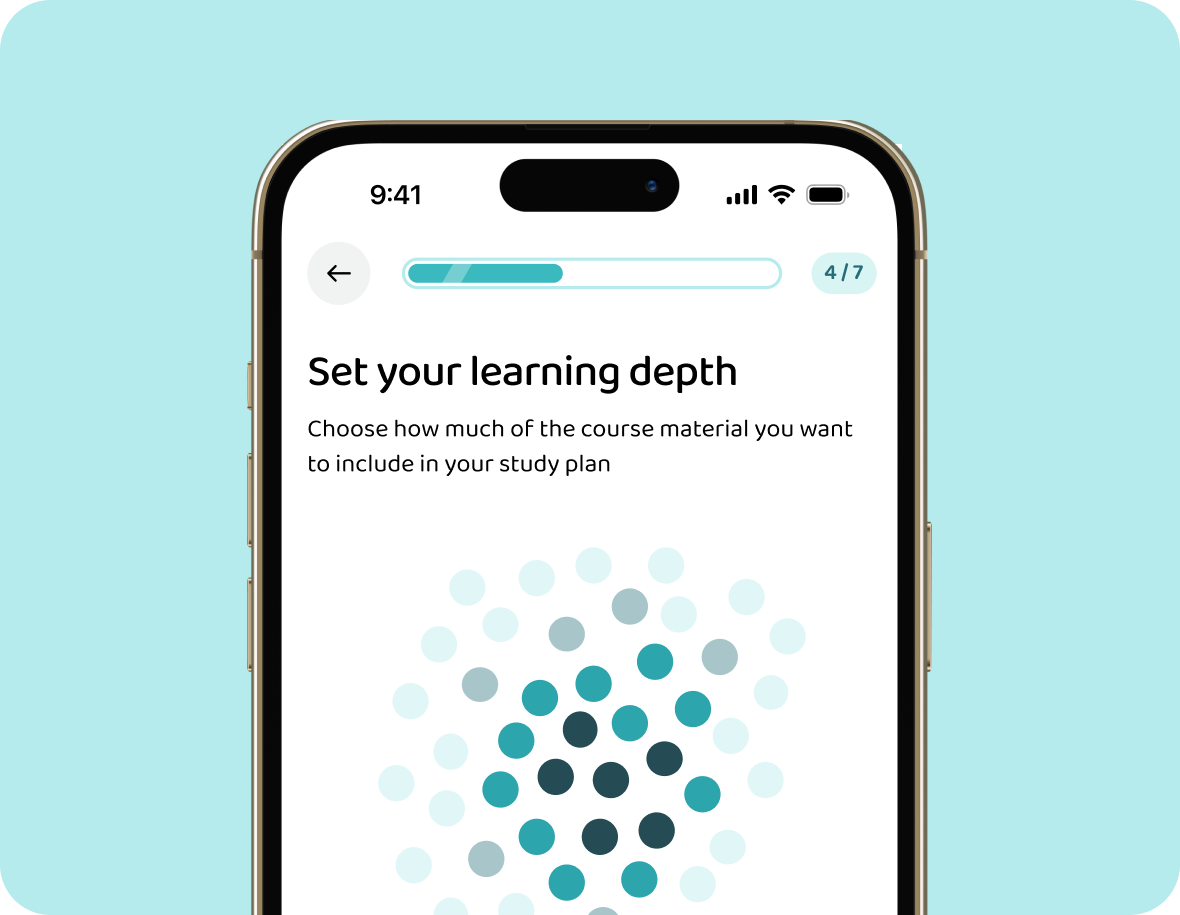
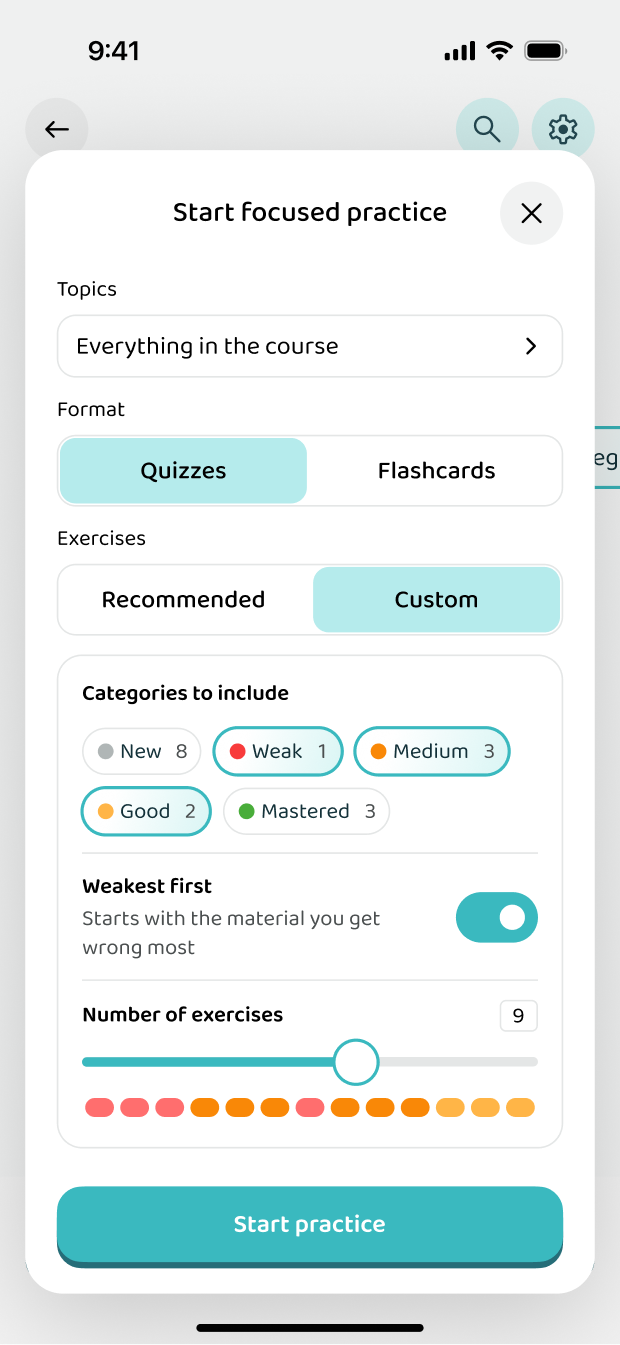
Everything in the course, or the essentials first. You decide how much goes into the plan.
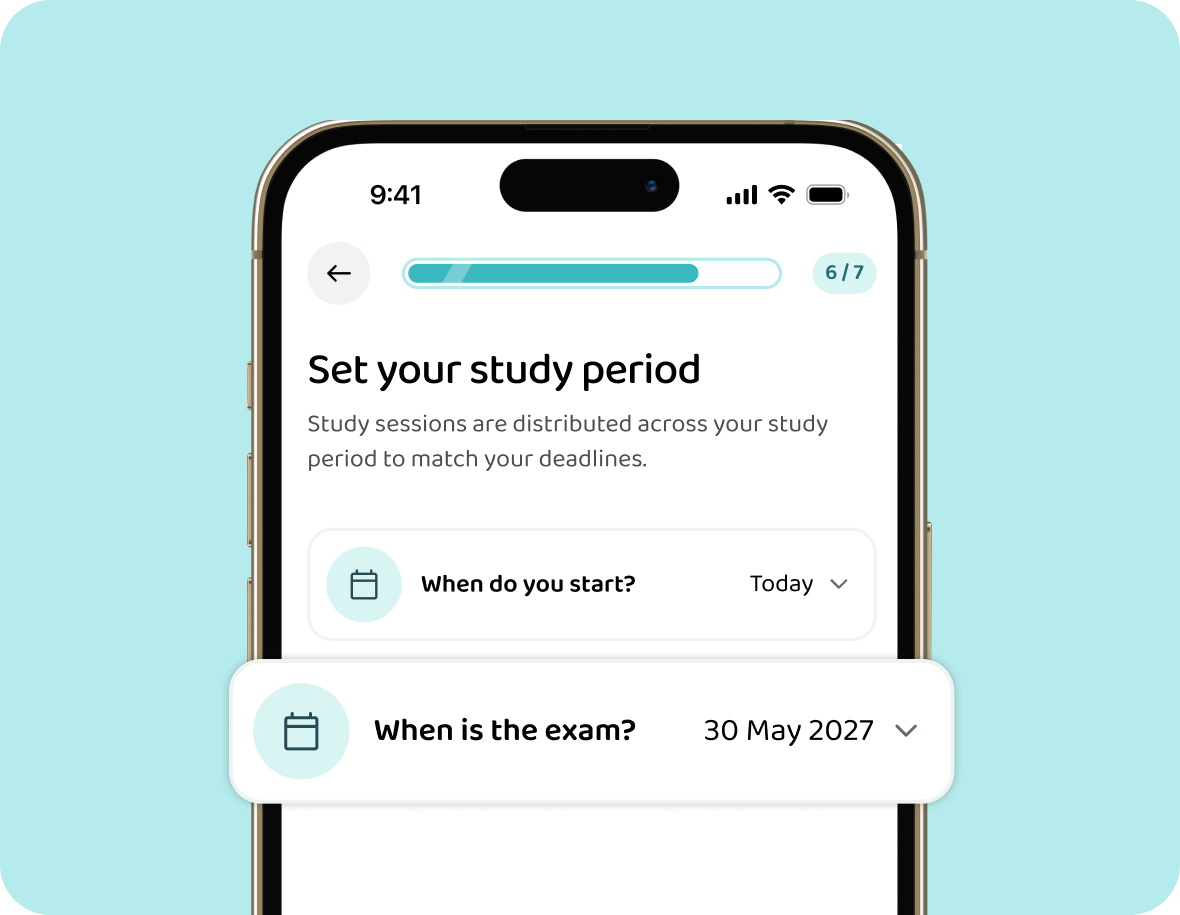
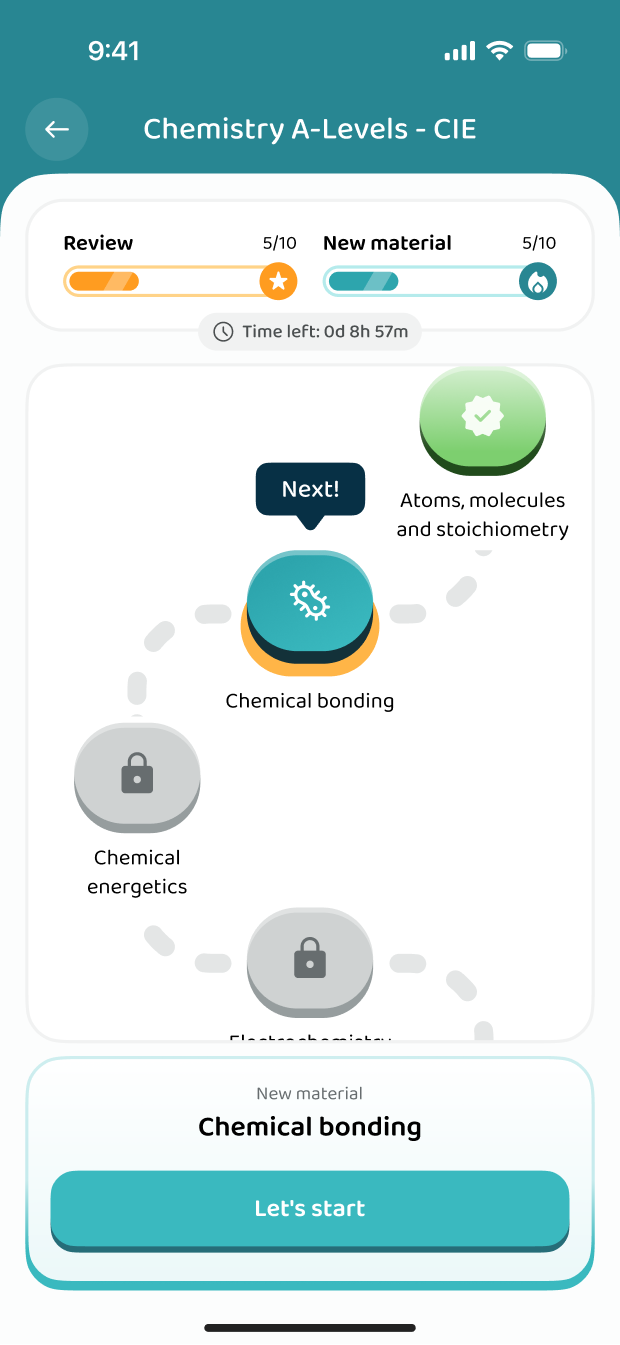
Set your exam date. The course is spread across the time you have until then.
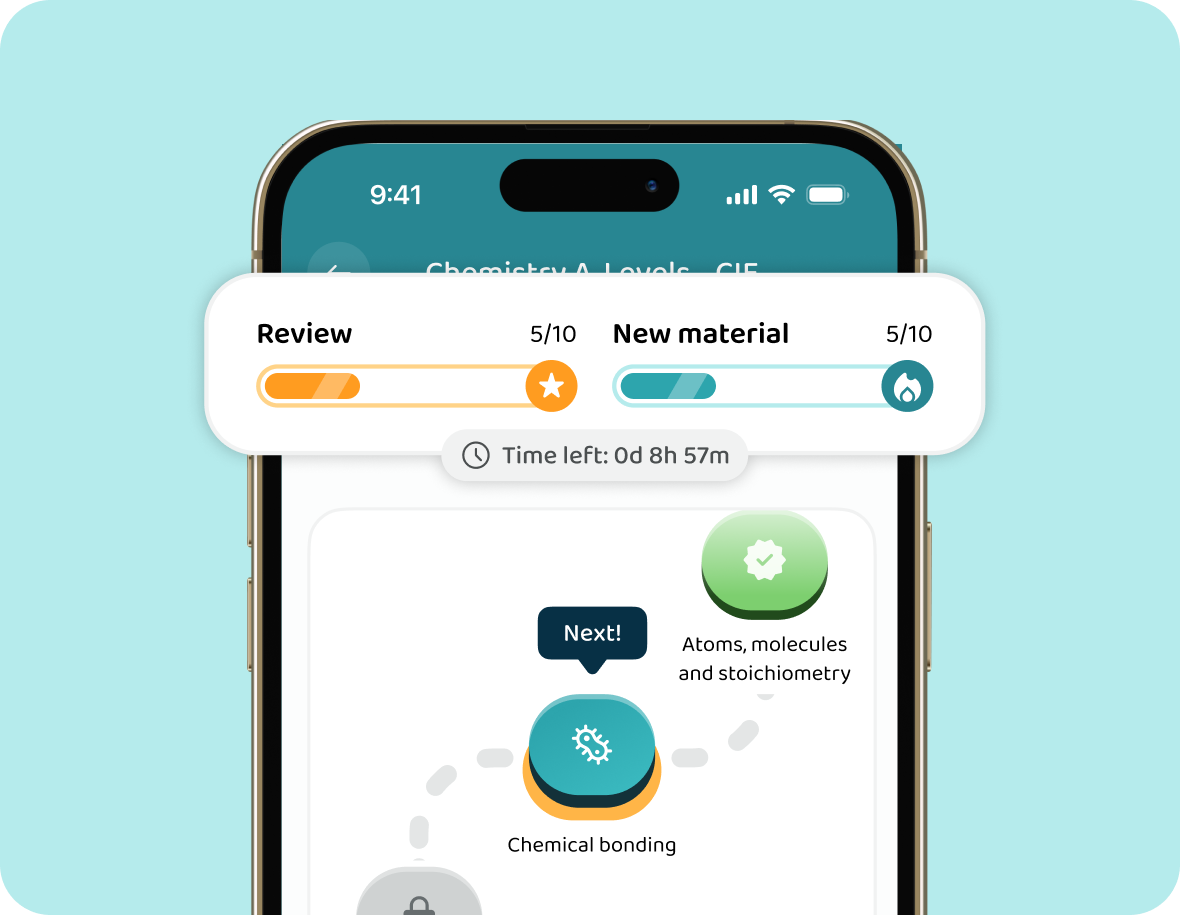
Each day mixes new lessons with the topics you are about to forget, so you never have to decide what to do next.
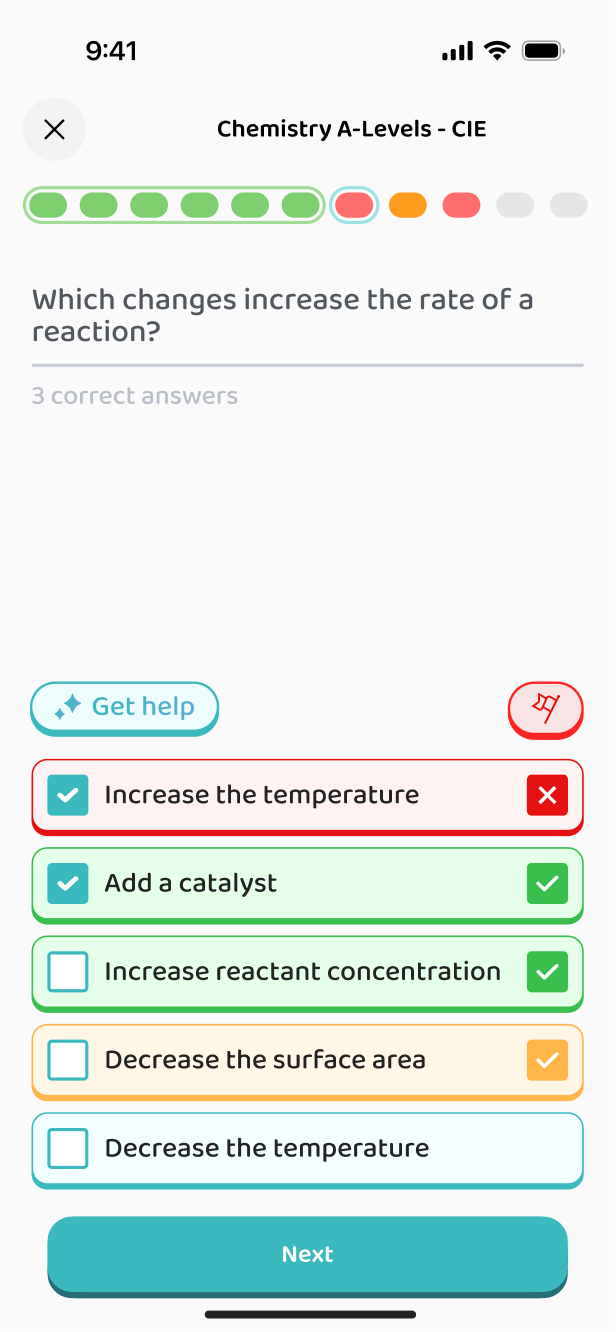
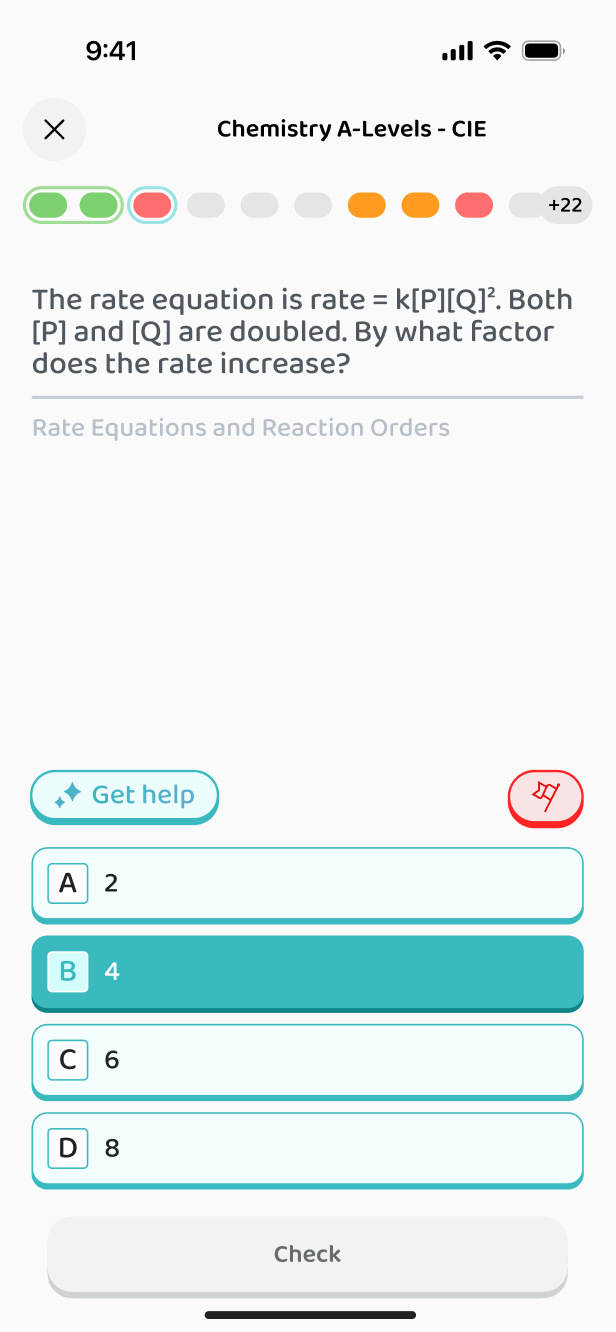
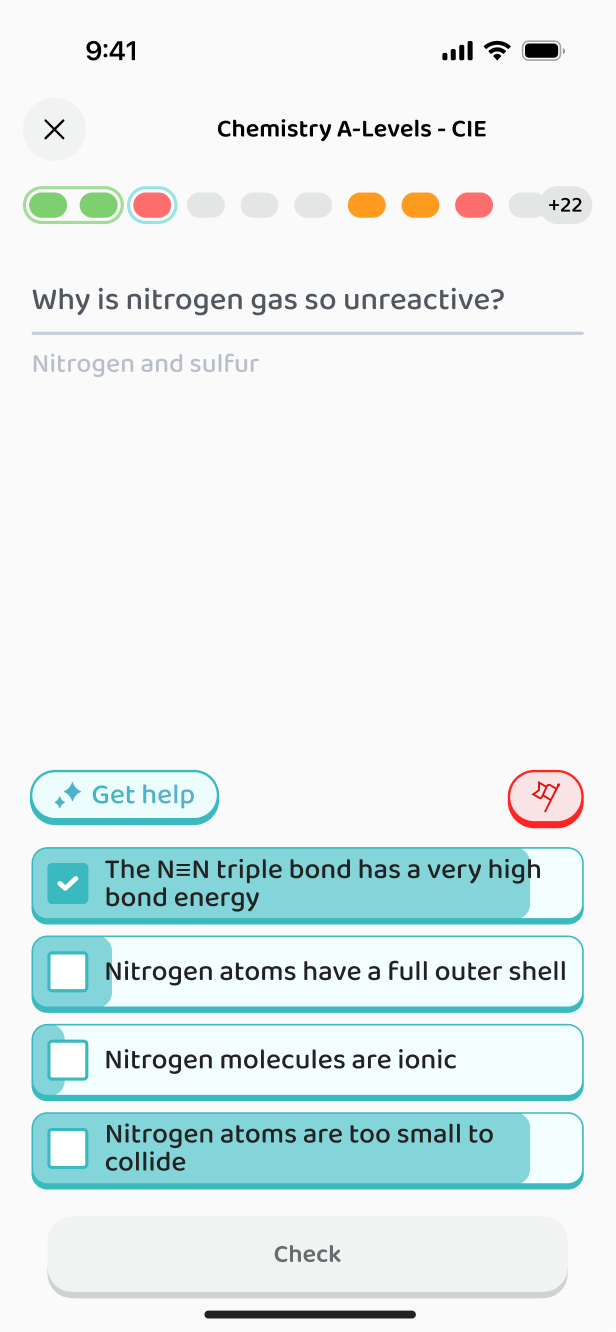
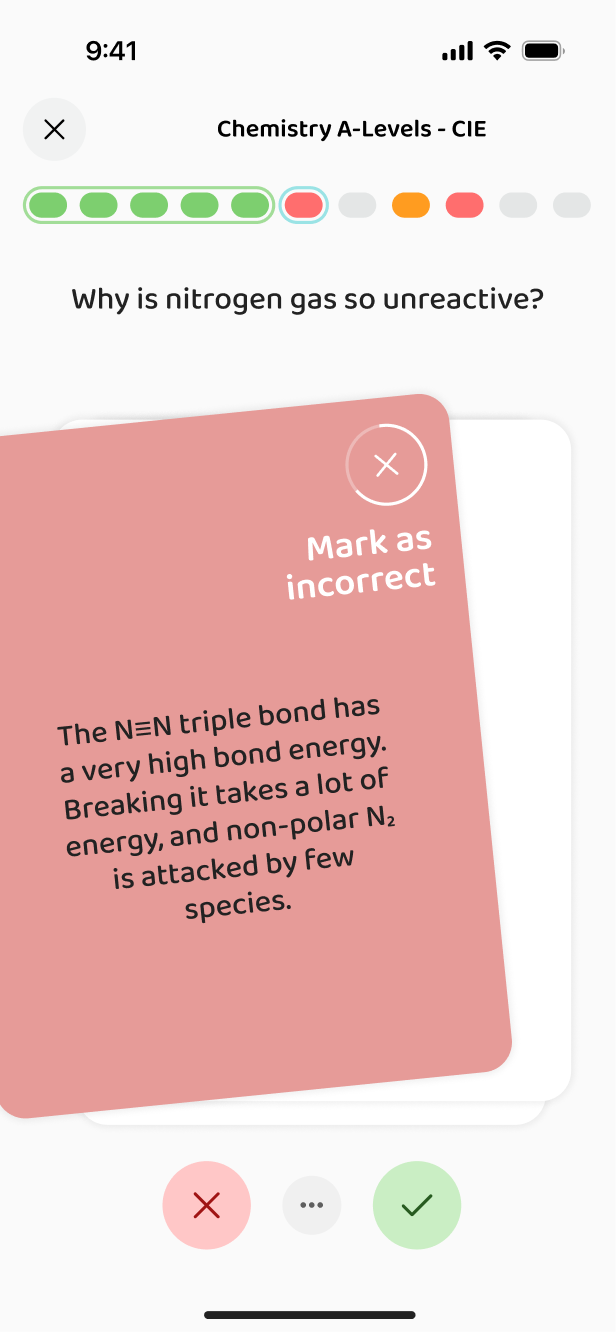
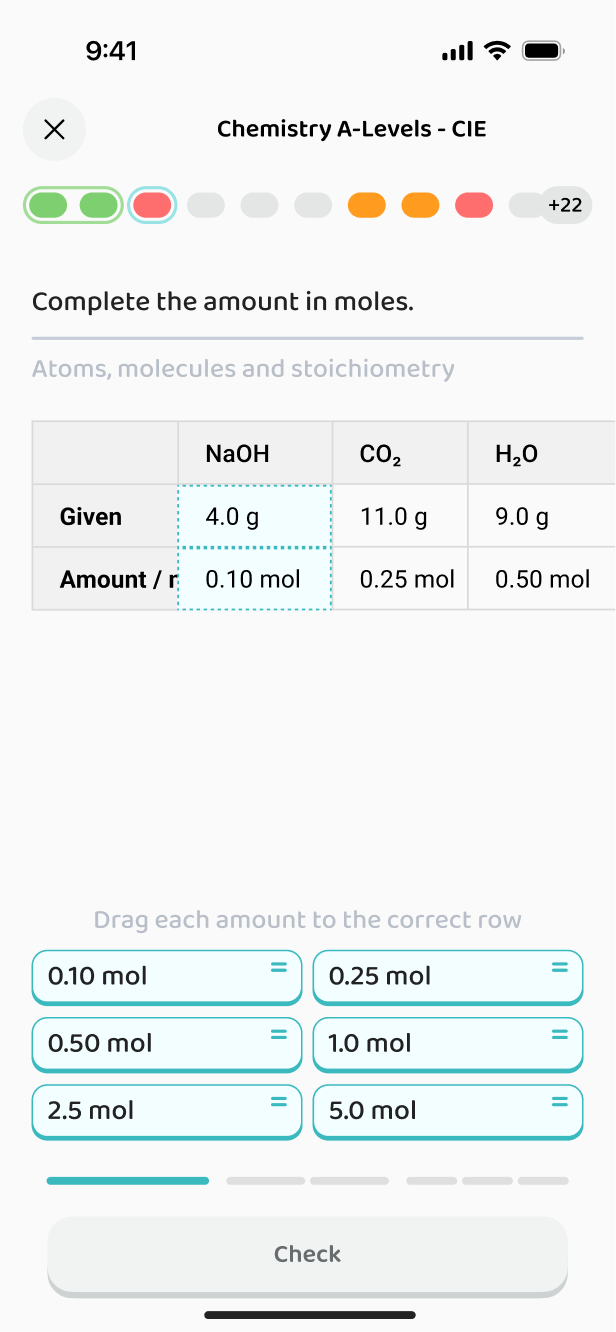
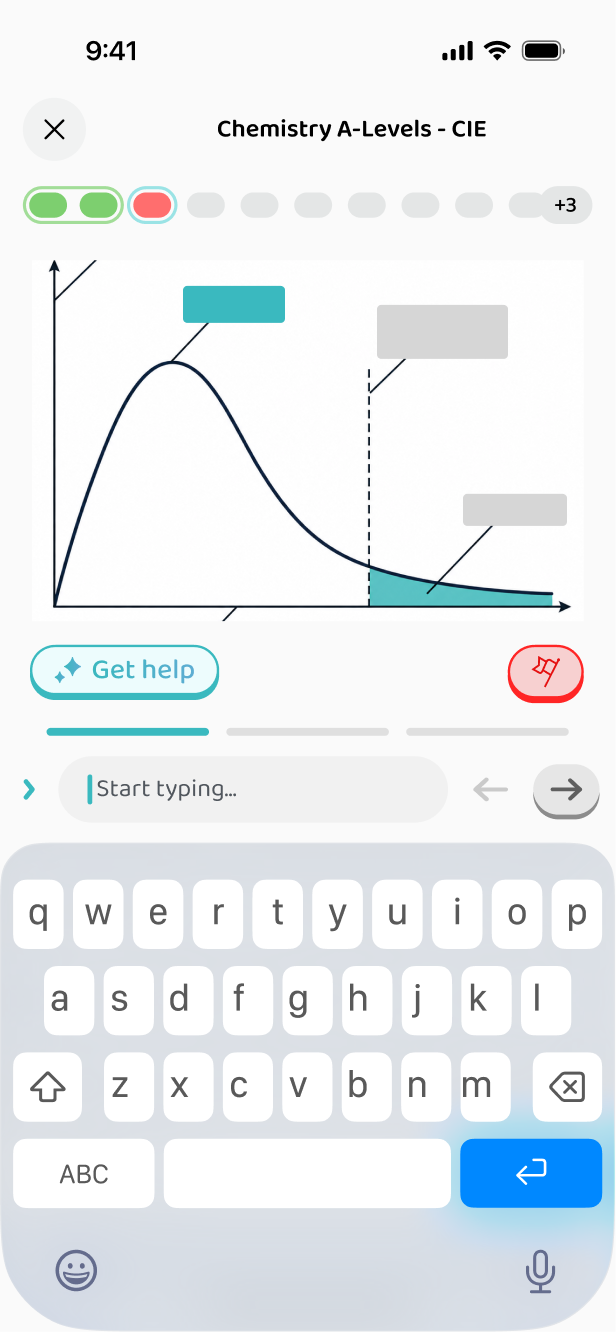
Ordering, matching, tables, labelling a diagram, fill the blank, flashcards. The same idea gets asked more than one way, so you learn the chemistry, not the look of the answer.
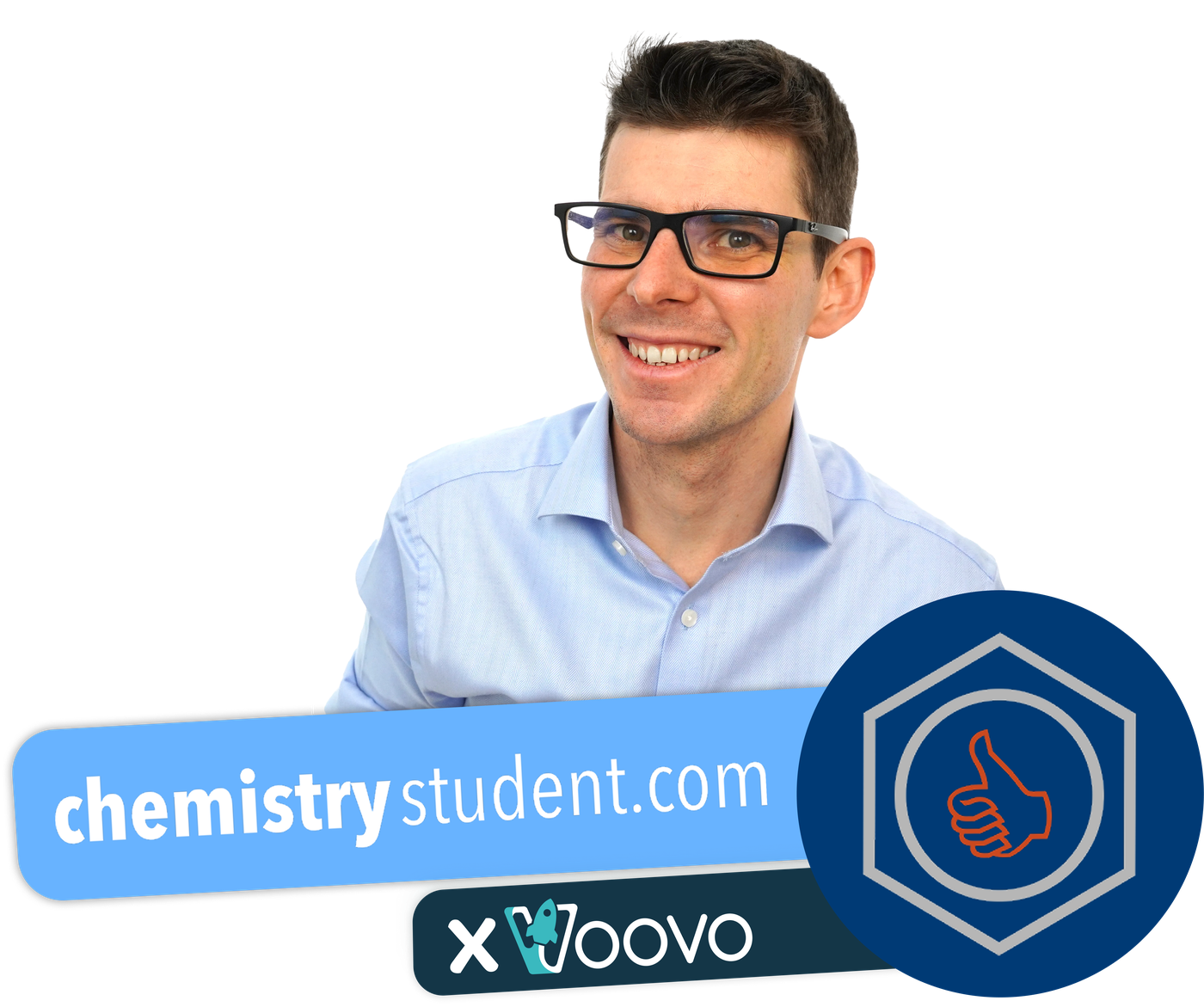
I'm a private chemistry tutor, and I started chemistrystudent.com in 2019 so the notes I use with my own students could be free for everyone.
Every page follows one exam board's specification, point by point, and every video starts with a recap of what you need to know first.
Reading notes feels like revision, but you learn far more by answering questions. So this course asks you about every point on your spec, until you master it. That is the best way to learn.
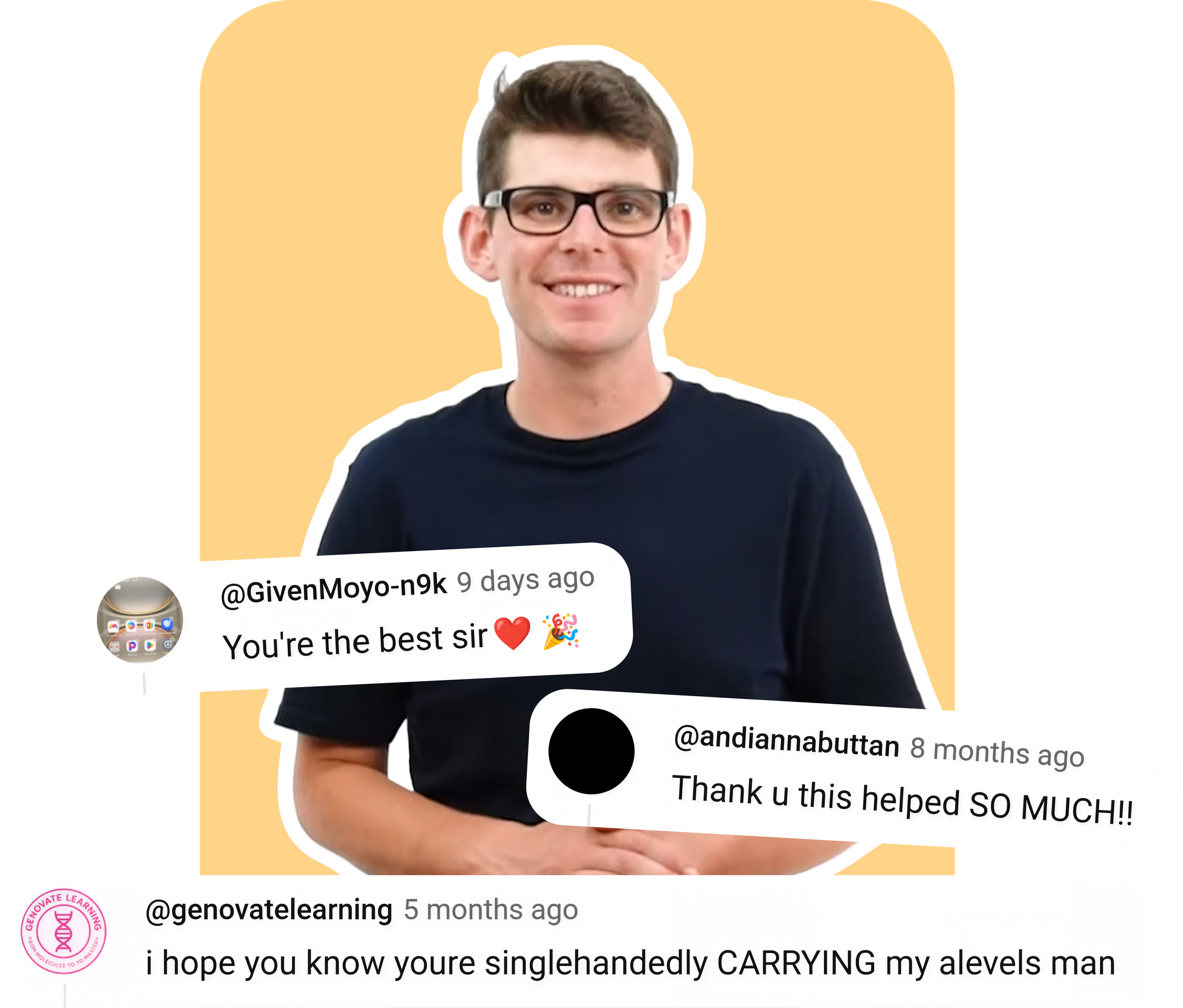
Yes, and they stay free on chemistrystudent.com. The course is where you learn the syllabus topic by topic and get asked about it, with the things you get wrong coming back before the exam.
Partly. The course covers the syllabus content examined in Papers 1, 2 and 4, plus two lessons for the practical papers: tests for ions, gases and elements, and practical skills such as uncertainties and graphs. It doesn't replace doing practicals in the lab.
Yes. You choose which topics go into your plan, so you can build it around the AS content and add the A Level topics when you get to them.
No. Every question in the app has a checkable answer, so it can't mark a long answer and doesn't pretend to. What it drills is the chemistry those answers are built from: the facts, the steps of a calculation and the reasons behind them.
No. It follows the Cambridge International 9701 syllabus, but it isn't made or endorsed by Cambridge.
A Cambridge chemistry study course in the Voovo app, built with Matt, a private A-level and IB chemistry tutor who runs chemistrystudent.com. It doesn't replace school or a tutor; it's the practice in between. The price is on the course above.
Start now, and every topic gets its turn before the exam.
